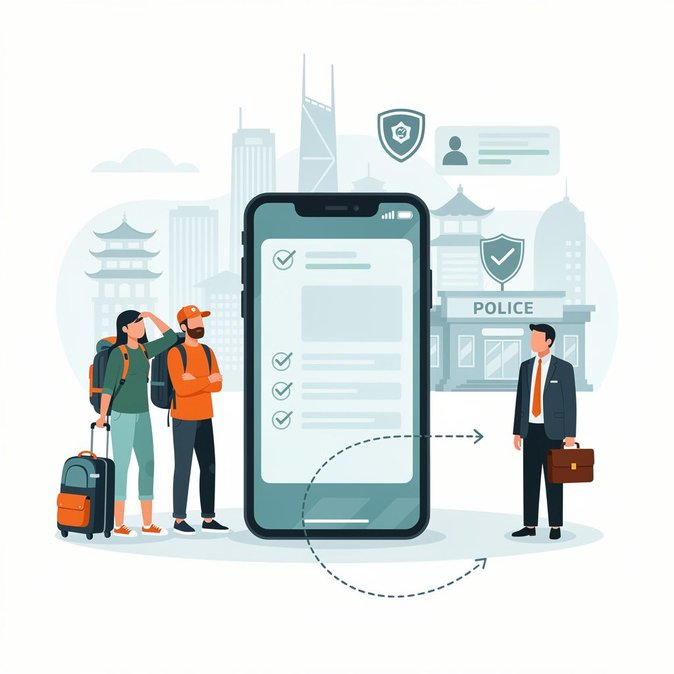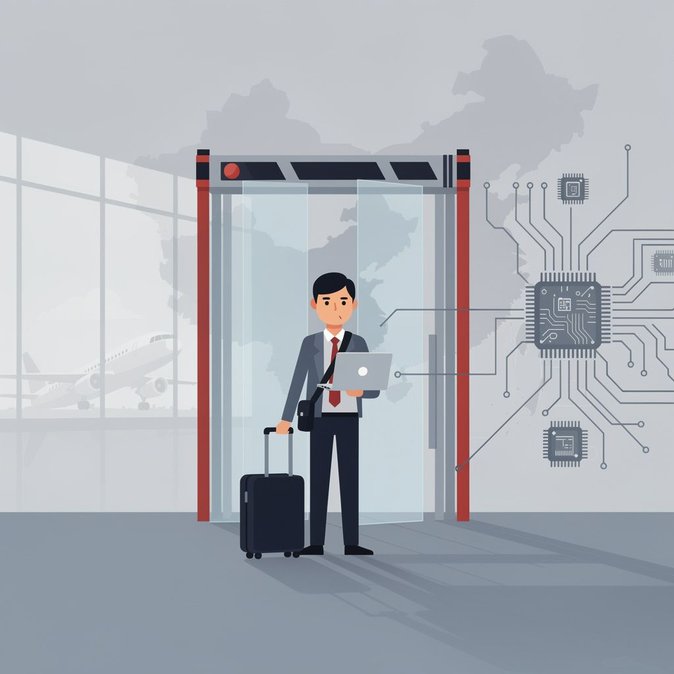
China’s new Exit and Entry Administration Regulations (State Council Decree No. 841) formally took effect on 15 September, but the first detailed media analysis appeared at the weekend – and it has set alarm bells ringing in regional tech circles. An article carried by NewsGram (originally from Radio Free Asia) highlights growing concern that the rules empower immigration officers to prevent travellers from leaving the mainland if their departure is deemed a threat to “industrial or technological security”. Because Beijing regards Taiwan as part of China, the measures automatically cover visiting Taiwanese nationals. According to Taiwan’s Mainland Affairs Council, semiconductor engineers, senior executives and AI researchers are among five high-risk groups who could face exit bans or intrusive electronic-device inspections. Analysts quoted in the report warn that the regulations link existing exit-ban powers with China’s 2020 Export-Control Law, creating a single security framework that governs not only goods and data flows but also the movement of specialised human capital. William Yang of the International Crisis Group says the wider objective is to stop “talent drain” at a time of escalating US-China competition in artificial intelligence and advanced chips. The rules give border officials discretion to seize phones and laptops, demand passwords and withhold legal justification for an exit restriction if disclosure might “affect national security or an investigation”. While Chinese authorities insist the changes provide “stronger legal protections”, rights groups argue they could normalise previously ad-hoc exit bans and have a chilling effect on academic and commercial exchanges. The report cites the March 2026 case in which two China-born founders of Singapore-based AI start-up Manus were barred from leaving until regulators killed a US-$2 billion takeover deal by Meta – a sign that people controls can reinforce technology and investment controls. For corporate mobility managers, the immediate implication is higher travel-risk exposure for any employee who has access to sensitive code, data or know-how – even if that person is not a PRC national. Multinationals are advised to review who really needs to be in China, issue secure “travel phones”, scrub laptops of proprietary information and ensure travellers register itineraries with their home government where possible. Taiwanese authorities are already urging citizens to file travel plans in advance so they can be located quickly if detained. More broadly, the regulations underscore a shift in China’s mobility environment: entry is becoming easier thanks to expanded visa-free schemes, yet exits – especially for strategically valuable individuals – are subject to closer scrutiny. Companies should include potential exit restrictions in their duty-of-care assessments and build contingency plans for prolonged stays or legal representation. Looking ahead, analysts expect further guidance in the coming months as provincial immigration bureaus interpret the national rules, but for now the risk calculus for tech talent entering China has clearly changed.
Source: NewsGram (via Radio Free Asia)