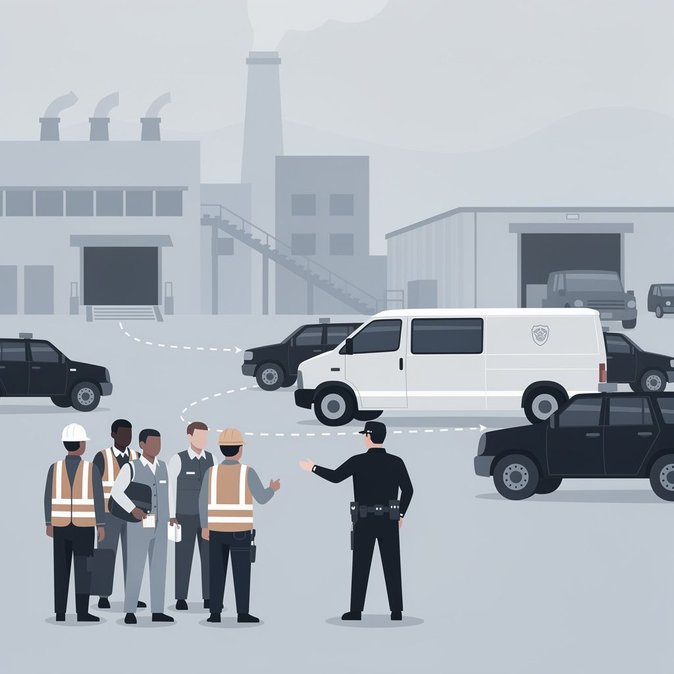
Immigration and Customs Enforcement (ICE) is detaining more people today than at any point in its 23-year history—and the agency is scrambling for space. In a weekend interview on NPR’s “Immigration Briefing,” correspondent Jasmine Garsd revealed internal procurement documents showing that ICE has signed more than US $7 billion in new construction contracts and is considering buying fleets of vans that would double as short-term “mobile detention facilities.” The idea is simple but controversial: instead of transporting arrestees to brick-and-mortar jails, agents could hold them in outfitted vehicles that shadow field operations. Watchdog group Project Salt Box, which obtained the paperwork, says the plans leave basic questions unanswered—How long can someone be kept in a van? Where do they eat, sleep or use the restroom? “It underscores just how sweeping the raids have become,” co-founder Michael Wriston told NPR, noting that roughly 70 percent of the 65 000 people now in ICE custody have no criminal convictions. The push comes as ICE funding reaches an all-time high after Congress added US $75 billion to the agency’s budget last year. Private-prison giant GEO Group told investors that demand for detention beds has already climbed to 68 000 and could rise by another 30 000. Yet public backlash forced ICE to abandon several warehouse-conversion projects earlier this year, leaving the agency in search of flexible, fast-deploy capacity. Civil-rights groups warn the strategy could worsen transparency and due-process problems that already plague the system. “A van offers even less oversight than a rural jail,” said Andrea Carreño of the American Immigration Lawyers Association, arguing that body-camera compliance is spotty—an issue highlighted by last week’s fatal shooting of Wilber Garces Perez in Austin by an un-cameraed ICE agent. For employers and global mobility managers, the message is clear: work-site enforcement is escalating, detention capacity is expanding, and non-criminal foreign nationals are increasingly swept up in raids. Companies should review I-9 compliance, ensure rapid access to counsel for foreign staff, and prepare for potential disruptions if mobile detention units roll out nationwide.
Source: WUNC News / NPR