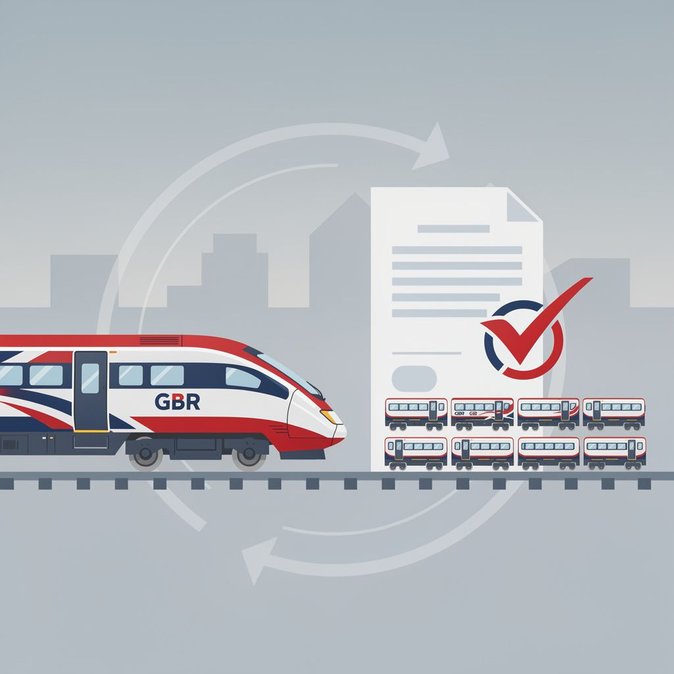
The Department for Transport has published a sweeping rolling-stock and infrastructure strategy that, for the first time in three decades, allows Great British Railways (GBR) to buy trains outright rather than leasing them from rolling-stock companies. Ministers argue that direct ownership could save taxpayers billions and create a more joined-up, passenger-focused network. Leasing fees and maintenance currently top £4 billion annually, with £2.5 billion paid in dividends over the past decade. Under the new policy, GBR will evaluate financing options case by case, potentially favouring outright purchase for battery-electric fleets earmarked for the Transpennine route and other strategic corridors. For business travellers, the move promises a standardised ‘fleet family’ design intended to improve reliability and on-board connectivity. A longer-term investment pipeline also gives UK-based manufacturers greater certainty, supporting jobs in Derby and other rail hubs. Corporate travel managers should track delivery timelines: upgraded rolling stock could reduce journey times on key inter-city routes and influence travel-policy cost models versus domestic flights. However, the transition period may see timetable adjustments as legacy diesel units are phased out. The strategy also aligns with the UK’s decarbonisation goals, signalling future electrification and battery-train contracts that will impact supply-chain logistics for rail operators and their business customers.