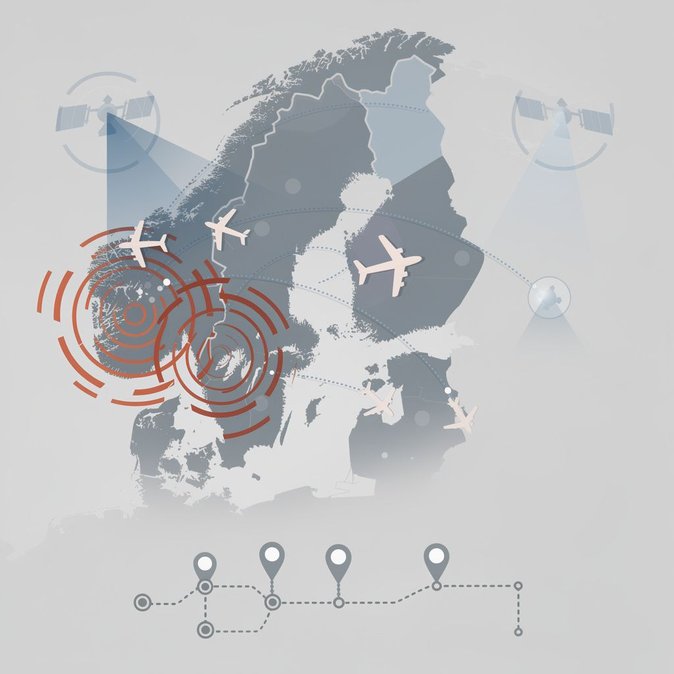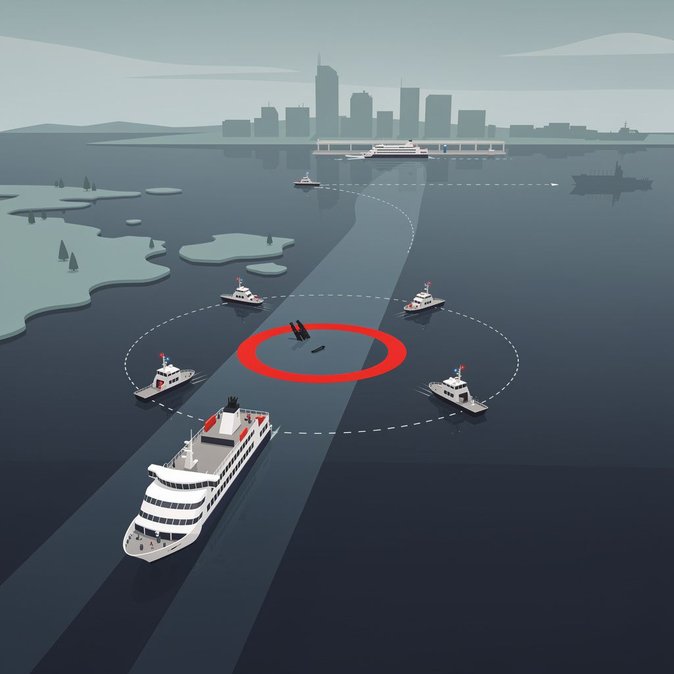
Maritime passenger traffic to and from Helsinki came to an unexpected stand-still on Saturday evening when the Finnish Border Guard reported a cone-shaped metal object resting on the seabed south of the busy Kustaanmiekan channel. The discovery triggered a multi-agency response involving the Border Guard, the Navy’s mine-counter-measures unit and the Helsinki Police. Authorities cordoned off the area—one of the capital’s main exit lanes for Tallink Silja and Viking Line ferries—at 19:20 and ordered vessels to hold position. The closure lasted almost seven hours and forced Viking XPRS, scheduled to depart for Tallinn at 20:00, to delay its sailing until 02:00 on Sunday. Several smaller cruise and cargo craft also had to adjust course, while bunker barges were rerouted to prevent congestion inside the South Harbour. Fintraffic, which manages vessel traffic services, said the incident shows how a single obstruction can ripple across the Baltic’s tightly choreographed schedules, affecting port pilots, coach connections and even airline transfers for foot passengers. Divers attached lifting slings and towed the object to the naval base on Santahamina Island, where preliminary analysis concluded it was an aged mechanical component from a long-sunk wreck rather than an explosive device or spy buoy. Nevertheless, officials stressed that Finland’s heightened alert for so-called “hybrid” activity from neighbouring Russia means every anomaly must be treated as a potential security threat until proven otherwise. From a mobility perspective the incident underscores two trends: first, the fragility of just-in-time passenger itineraries linking ferries with rail and air legs; second, the growing overlap between transport security and national defence in the Baltic Sea. Corporate travel managers moving project teams between Helsinki and Tallinn may wish to build additional buffer time into schedules or book early-morning departures instead of late evening returns. The Border Guard is reviewing sonar-survey coverage of approach channels and considering more frequent sweeps ahead of holiday peaks. Meanwhile, shipping lines are updating contingency plans—including the use of alternative West Harbour routes—should a similar closure occur during the forthcoming Christmas travel rush.
Source: Stara.fi