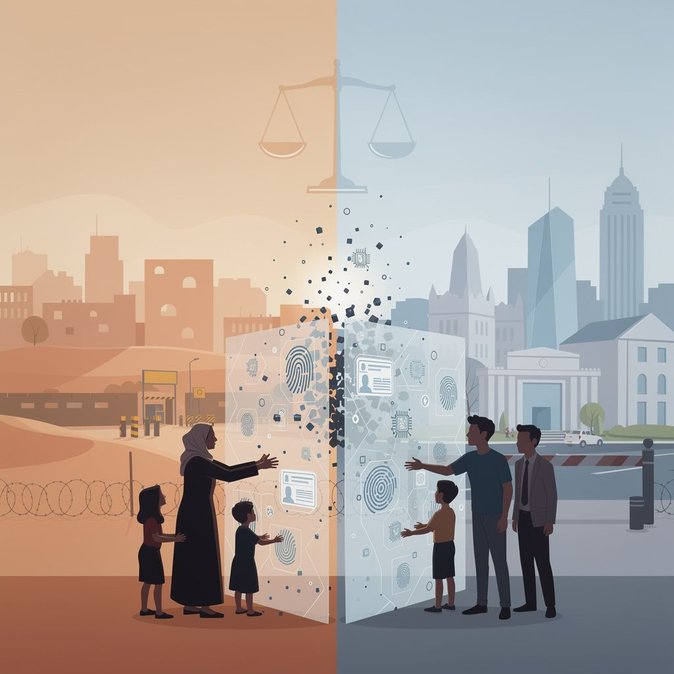
The UK Upper Tribunal (Immigration and Asylum Chamber) has ruled that the Home Office acted unlawfully when it blocked two Palestinian mothers and their five children from joining their refugee-status husbands in Britain. In a judgment published late on 4 October, Judge Fiona Lindsley found that the department misapplied its “unsafe journeys” policy by insisting on in-person biometric enrolment, even though Gaza’s visa application centre has been closed since 2023. The court held that a child’s best interests must be the primary consideration, criticising officials for failing to offer workable alternatives such as remote enrolment or evacuation to a neighbouring jurisdiction. The decision could unlock avenues for an estimated 250-300 other Gazans seeking family reunion. The Home Office said it will appeal, arguing that biometrics are “core to the immigration system,” but humanitarian groups hailed the ruling as a landmark affirmation that administrative hurdles cannot trump child-protection principles. For UK employers the case is a reminder that family-related immigration policies—and their judicial interpretation—directly affect staff retention and wellbeing. International assignees separated from families are more likely to request compassionate leave or decline project extensions, raising costs for multinationals. If the ruling stands, the government may need to devise secure remote-biometric solutions, potentially accelerating the rollout of mobile enrolment kits that could later benefit corporate global mobility programmes in other conflict zones.
Source: Arab News