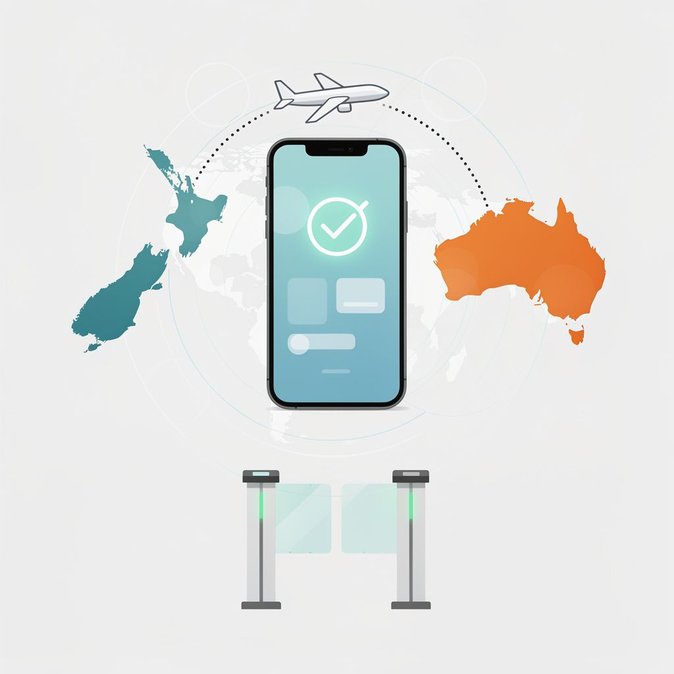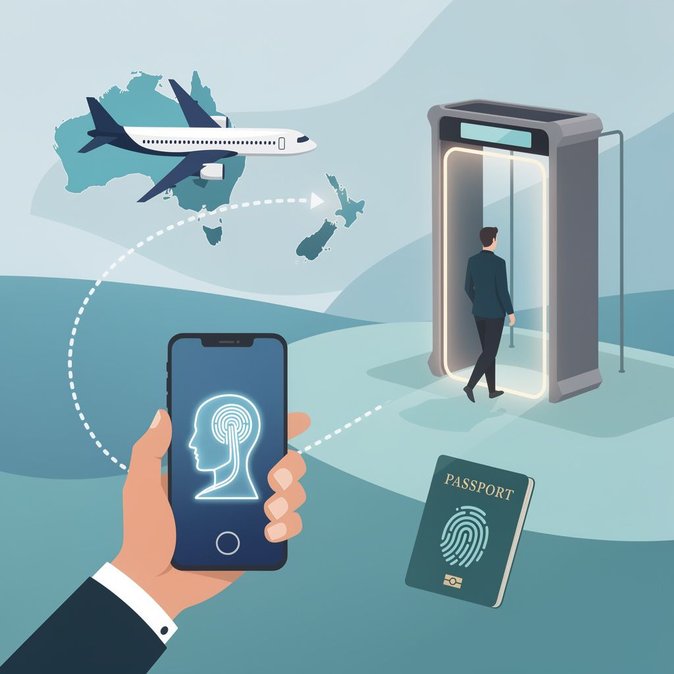
Campaigning ahead of New Zealand’s 7 November election, Prime Minister Christopher Luxon has promised to pilot a fully digital border experience for travellers from Australia. Speaking at a press conference yesterday, Luxon said that if re-elected his National Party government would allow Australians to enter New Zealand using smartphone-based credentials and facial recognition, eliminating the need to present a physical passport. Under the concept, passengers would upload passport details and complete their Traveller Declaration in advance, then move through biometric gates on arrival—building on the SmartGate infrastructure already used at both countries’ airports. Corporate Traveller managing director Tom Walley applauded the idea, noting that trans-Tasman routes account for roughly one quarter of all international trips booked by his Australian customers and that any reduction in processing time would “take real time out of short-turnaround trips like same-day meetings.” For mobility managers, the proposal could slash dwell times, improve on-time performance for connecting flights and enhance traveller satisfaction. It would also dovetail with Australia’s own digital-identity roadmap, which aims to introduce reusable digital IDs across government services by 2028. However, the scheme requires Canberra’s buy-in; officials at Australia’s Department of Home Affairs have so far declined to comment on integration timelines. Privacy safeguards, data-sharing agreements and mutual recognition of security vetting will be key hurdles. Still, the promise of a passport-free corridor between two of the world’s closest economic partners is generating excitement among airlines, airports and business-travel stakeholders, many of whom see it as a future template for the wider Asia-Pacific region. If the trial proceeds, airlines may need to upgrade check-in apps and boarding-gate hardware, while companies will have to update travel policies to reflect digital-credential requirements. Early adopters could be boarding a flight with nothing more than a phone by late 2027.
Source: Travel Weekly