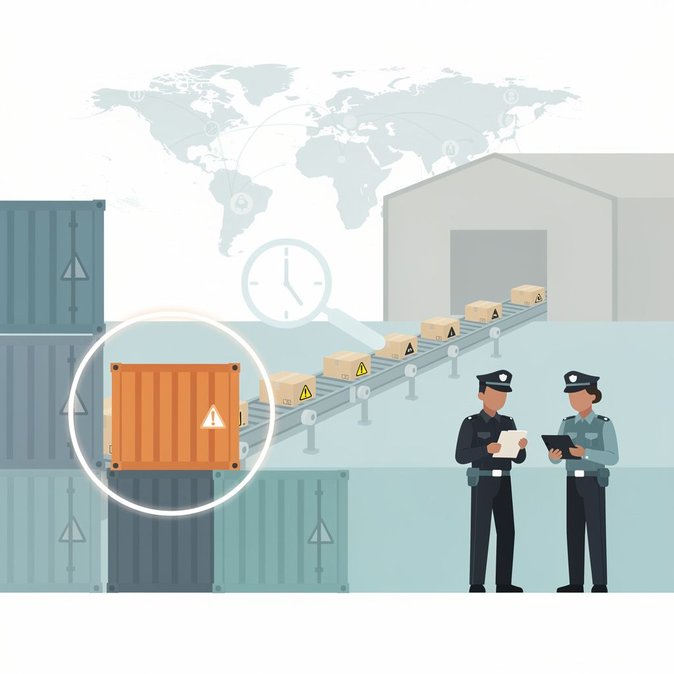
Small and midsize U.S. importers are facing a new compliance minefield after U.S. Customs and Border Protection issued detention notices citing the Uyghur Forced Labor Prevention Act (UFLPA). In the single largest expansion of the UFLPA Entity List to date, DHS added 43 Chinese companies on August 3; enforcement activity surged in the weeks that followed and culminated in a flurry of holds announced October 12, according to a detailed explainer published by trade-finance platform BeanCount. Under the law, goods suspected of links to Xinjiang are presumed to be made with forced labor and can only be released if importers provide ‘‘clear and convincing’’ evidence to the contrary within 30 days. For firms that rely on just-in-time inventory, the clock starts the moment the notice is served—often while merchandise is sitting in a bonded warehouse accruing storage charges. BeanCount recommends immediate steps: obtain full chain-of-custody documents, secure affidavits from each tier-1 and tier-2 supplier, and, where possible, submit isotopic cotton-origin tests. Companies with large China procurement footprints should also revisit free-trade-zone strategies that can offer temporary relief from demurrage fees while evidence is gathered. Corporate mobility teams need to be in the loop because employee relocation shipments—from furniture to promotional swag—can be detained if they contain textiles or electronics sourced from flagged entities. Mobility managers should brief relocating staff to retain purchase receipts and be ready for delivery delays. CBP has not indicated when the next Entity List update will occur, but trade attorneys predict quarterly expansions until a robust audit regime is in place. Businesses without dedicated trade-compliance staff may find it cheaper in the long run to diversify sourcing, even if unit costs initially rise.
Source: BeanCount.io