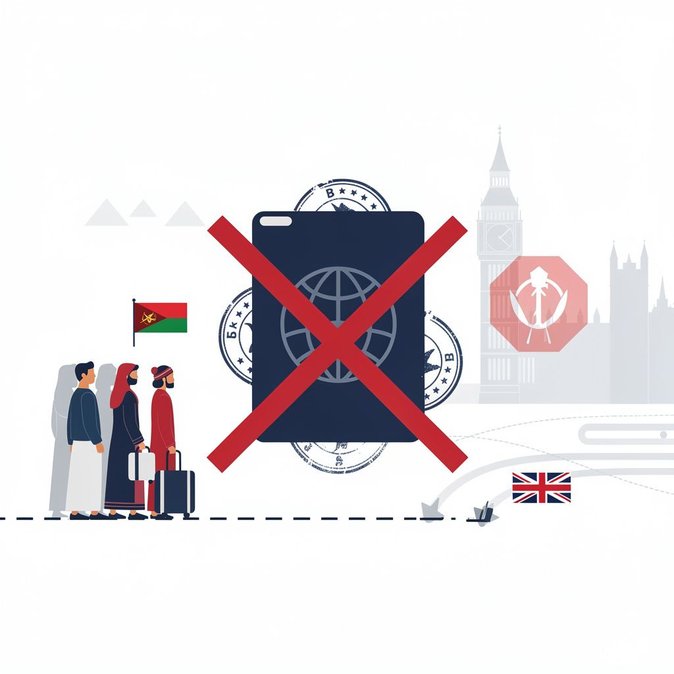
UK Visas & Immigration has issued version 33 of its 440-page case-worker guidance for the EU Settlement Scheme (EUSS), the rule-set that governs the post-Brexit rights of EU, EEA and Swiss citizens in Britain. The update, published on 15 October, incorporates the latest Statement of Changes to the Immigration Rules (HC 584) that took effect on 8 October and clarifies how digital immigration status, eVisas and the new UK Electronic Travel Authorisation (ETA) interact with EUSS status. Most significantly for mobility teams, the Home Office confirms that non-visa-national Certificate of Application (CoA) holders—people who have applied to the EUSS but are still awaiting a decision—are generally *not* eligible for an ETA when travelling to the UK. Carriers must therefore continue to accept CoAs as evidence of permission to board, and affected travellers will need to present their digital or paper CoA at eGates or to a Border Force officer on arrival. The guidance also tightens instructions on evidence required for “joining family members” and notes that discretionary case-worker outreach to remedy documentation gaps will remain a core principle, but within stricter time limits. Companies transferring EU staff to the UK should review the new sections on continuous residence breaks and on the treatment of long-term absences during overseas assignments, as these can now trigger status curtailment more quickly. For global-mobility professionals, the message is clear: even as the UK moves towards fully digital borders, EUSS beneficiaries sit outside the ETA ecosystem for now. Travel-booking platforms and HR portals will need to prompt EUSS travellers to carry digital proofs and may need to disable automatic ETA reminders to avoid confusion.
Source: GOV.UK – Home Office guidance