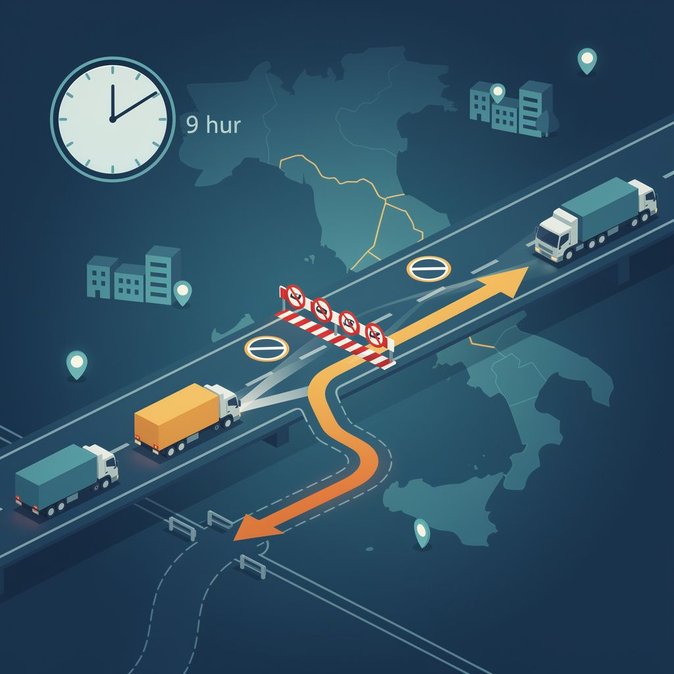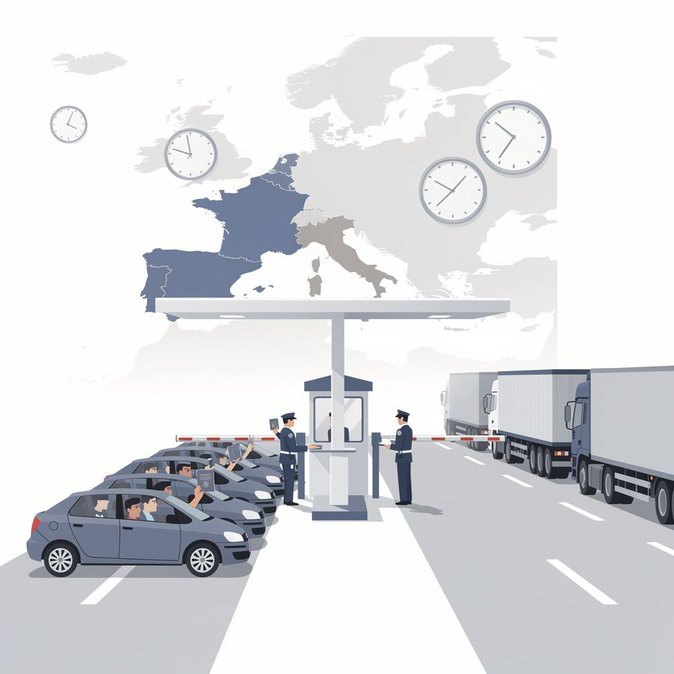
An updated European Commission log published on 19 October confirms that Italy’s temporary re-introduction of border controls at its land frontier with Slovenia will remain in force until at least 18 December 2026. The measure, first activated on 19 June, cites the risk of terrorist infiltration via Balkan migrant routes and organised-crime networks. Practical effect. All travellers entering Italy by road or rail from Slovenia must pass staffed checkpoints on the A34 (Villesse–Gorizia) and A23 (Tarvisio) motorways as well as designated secondary crossings. Although EU and Schengen nationals face only ID verification, coach passengers report delays of 20–40 minutes during peak periods. Freight carriers undergo risk-based inspection; logistics firms estimate a 12-hour increase in round-trip times for just-in-time deliveries between Veneto and Carinthia when queues build. Compliance tips for mobility teams. Employers sending technicians to Trieste’s shipyards or to Friuli’s aerospace cluster should factor extra border time and ensure non-EU staff carry both passports and Italian residence permits. Posted-worker notifications (distacco transnazionale) should reflect the crossing date; labour inspectors have fined firms for mismatches discovered during checks. Political context. Slovenia has protested the extension, arguing that the Western Balkan route has quietened, but Rome maintains that Middle-East tensions and the Ukraine war justify vigilance. Under Article 25a of the Schengen Code, controls can be rolled over every six months for up to two years, after which a Commission opinion is required—Italy is now in that extended phase. Outlook. With parliamentary elections due in Slovenia in January 2027, analysts expect political pressure for reciprocal controls if Italy renews again. Businesses should monitor the Commission’s next update in early December.