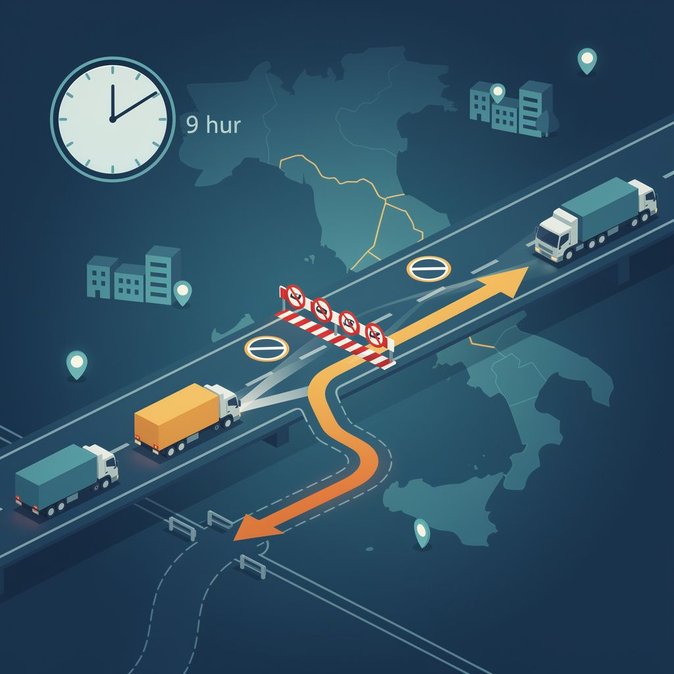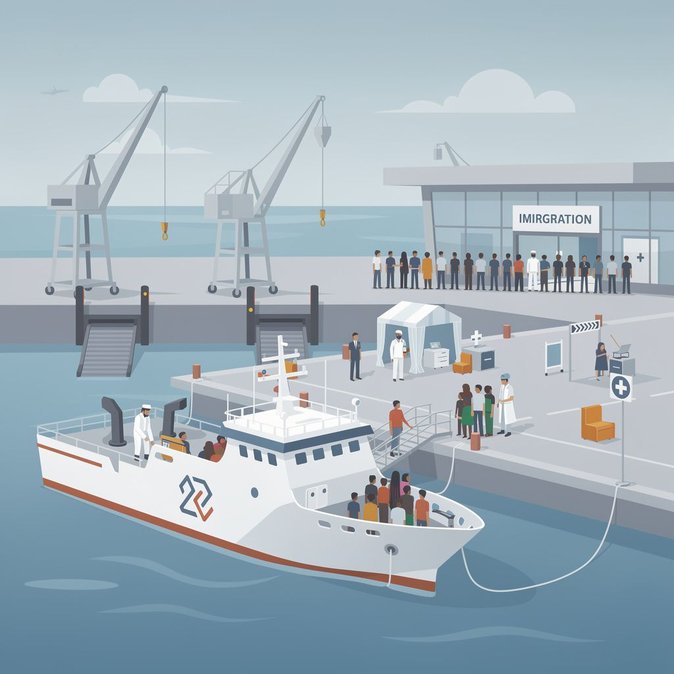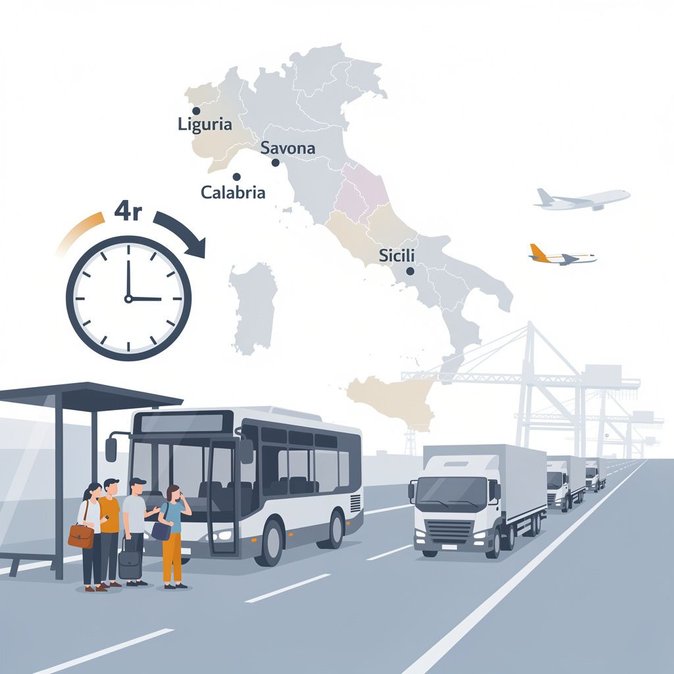
Italy’s dynamic strike landscape produced fresh disruption on 19 October. According to the MIT-linked portal ScioperiOnline there were four-hour walk-outs by local-bus staff in Savona (10:15-14:15) and by private urban-bus operator ‘Bus International Service’ in Rome (08:30-12:30). Meanwhile, 120-hour strikes by road-freight drivers in Calabria and Sicily, launched on 16 October, entered their fourth day. Although limited in scope, the Savona action coincided with the humanitarian docking of SOS Humanity’s rescue ship in the port, complicating passenger transfers for NGO staff and journalists. In Rome, the walk-out affected suburban routes feeding Fiumicino crew-hotels and EUR business parks, forcing commuters onto already crowded metro lines. For global employers the lesson is granularity: nationwide strike calendars rarely flag these local actions until the eve of execution. Mobility teams should therefore monitor regional feeds and pre-book taxis or rental cars during the late-morning window when service gaps peak. Looking ahead, the calendar shows a cascade of sectoral strikes through November, including a national 24-hour airline stoppage on 29 October and a general strike on 30 October. Companies should build contingency budgets for hotel overnights and remote-work alternatives. The Ministry of Infrastructure and Transport continues to publish minimum-service decrees for essential routes, but operators often release timetables only hours before the strike, leaving little room for rerouting. Automated alert tools that scrape MIT bulletins can give travel managers a crucial timing edge.
Source: ScioperiOnline