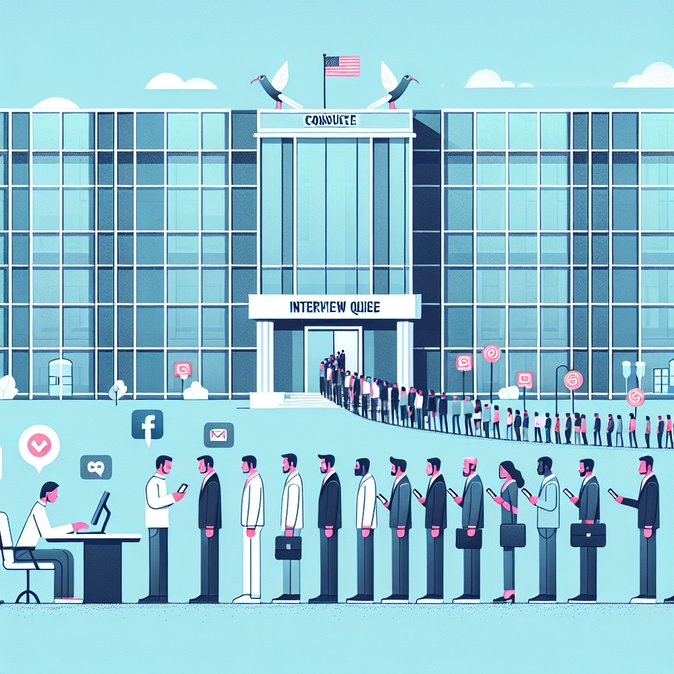
The U.S. Embassy in New Delhi has issued an unusually broad “Worldwide Alert” informing H-1B and H-4 visa applicants—regardless of nationality—that consular officers will now conduct mandatory reviews of each applicant’s public social-media footprint. The cable, posted on December 22, 2025, confirms that the Department of State began expanding “online-presence reviews” on December 15 and that the practice is now global policy.
Consular officials already collect usernames from most temporary-work visa applicants, but the new protocol adds algorithmic scans of posts, comments, and geotags to flag potential fraud or national-security concerns. Technology giants reacted swiftly: internal memos from Apple, Google, and Microsoft advise foreign employees not to leave the United States over the holidays unless travel is essential, citing the risk of additional delays or 221(g) administrative processing should flagged content require further vetting.
![Worldwide alert: U.S. tightens social-media screening for all H-1B and H-4 visa applicants]()
For employers, the policy means longer lead times. Global mobility managers should assume interview slots may fill quickly as applicants race to “front-load” filings before February’s H-1B cap-gap period. Companies are advised to begin background audits of sponsored employees’ public profiles and to update mobility handbooks to include social-media hygiene guidelines.
Attorney groups warn that the measure could chill free expression and lead to inconsistent adjudications; however, supporters argue it curbs abuse of the H-1B category and aligns visa vetting with corporate hiring practices that already examine online personas. Because the change is procedural rather than statutory, it took effect without public comment and is unlikely to be reversed in the short term.
Practical take-away: advise H-1B/H-4 candidates to remove inflammatory or misleading content, document travel histories carefully, and budget at least two extra weeks for visa issuance. U.S.-based assignees contemplating holiday travel should consider deferring trips until processing times stabilize.
Consular officials already collect usernames from most temporary-work visa applicants, but the new protocol adds algorithmic scans of posts, comments, and geotags to flag potential fraud or national-security concerns. Technology giants reacted swiftly: internal memos from Apple, Google, and Microsoft advise foreign employees not to leave the United States over the holidays unless travel is essential, citing the risk of additional delays or 221(g) administrative processing should flagged content require further vetting.

For employers, the policy means longer lead times. Global mobility managers should assume interview slots may fill quickly as applicants race to “front-load” filings before February’s H-1B cap-gap period. Companies are advised to begin background audits of sponsored employees’ public profiles and to update mobility handbooks to include social-media hygiene guidelines.
Attorney groups warn that the measure could chill free expression and lead to inconsistent adjudications; however, supporters argue it curbs abuse of the H-1B category and aligns visa vetting with corporate hiring practices that already examine online personas. Because the change is procedural rather than statutory, it took effect without public comment and is unlikely to be reversed in the short term.
Practical take-away: advise H-1B/H-4 candidates to remove inflammatory or misleading content, document travel histories carefully, and budget at least two extra weeks for visa issuance. U.S.-based assignees contemplating holiday travel should consider deferring trips until processing times stabilize.
Source: The Times of India