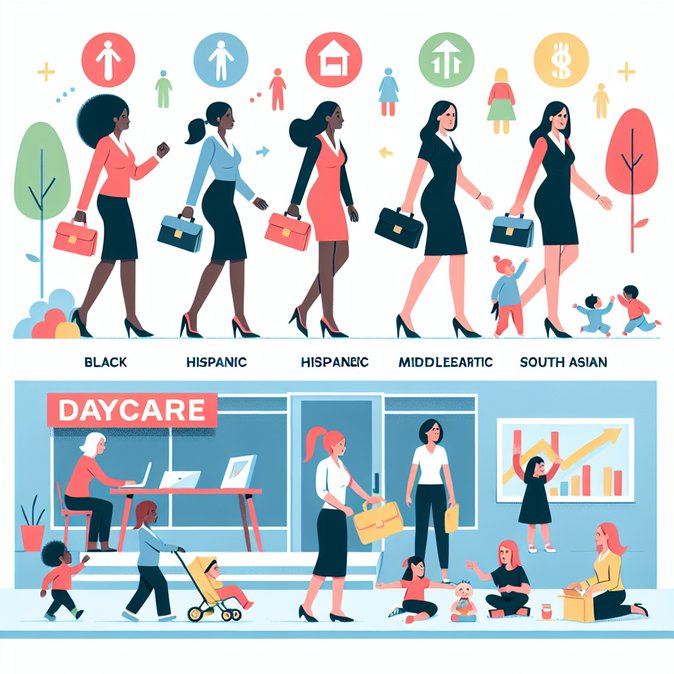
Ahead of International Women’s Day, the Federal Employment Agency (BA) released labour-market briefs on 6 March showing that female employment among migrants reached an all-time high of 2.14 million in 2025—a 5.6 % year-on-year increase. Regions such as Pirna report female employment rates of 68 %, well above the national average. BA analysts attribute the surge to relaxed work-permit rules for Ukrainian displaced persons, expanded language-training vouchers and rising demand in Germany’s care and services sectors. Nevertheless, women with migrant backgrounds remain under-represented in MINT occupations, holding less than 10 % of such roles in Saxony. To close the gap, local BA offices announced targeted advisory sessions, childcare-allowance top-ups and fast-track recognition of foreign IT degrees. Employers that hire under the Skilled-Worker Immigration Act can access wage-subsidy grants covering up to 50 % of language-training costs for female hires. For mobility professionals, the data supports the business case for dual-career programmes that help trailing spouses obtain work permits and up-skill quickly—an increasingly important retention factor in Germany’s tight labour market.