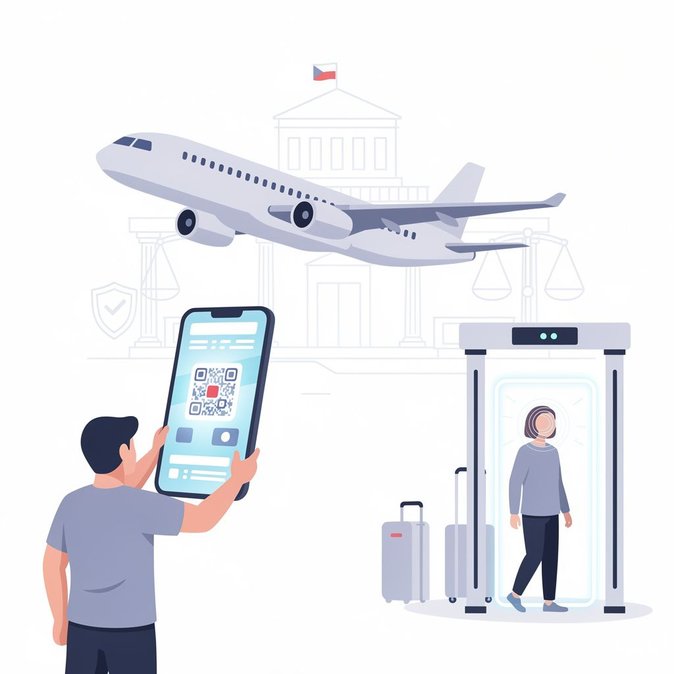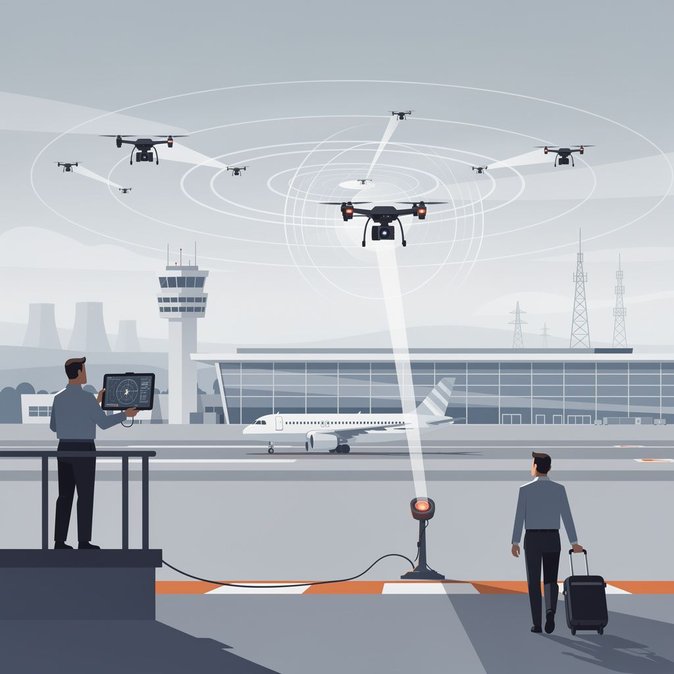
Standing before reporters in Prague on 21 July 2026, Interior Minister Lubomír Metnar and Transport Minister Ivan Bednárik outlined a long-awaited bill that would, for the first time, give security forces and operators of critical infrastructure the legal right to detect, jam and—where strictly necessary—physically neutralise rogue unmanned aerial vehicles (UAVs). The proposal comes after a string of near-miss incidents around Václav Havel Airport Prague and several energy facilities in the past year. Under current Czech law, only the army or police may interfere with civil air traffic; private airport security teams can merely alert authorities and wait. The new legislation would broaden those powers, letting certified personnel at airports, rail hubs, border-crossing points, power plants and data centres deploy counter-drone systems such as radio-frequency jammers or net guns once an incursion is confirmed. All interventions would have to be logged, proportionate and, where possible, reversible—reflecting EU rules on electromagnetic emissions and property rights. The bill also mandates creation of a national drone incident database and requires all operators of sites deemed “Category I Critical Infrastructure” to submit anti-drone contingency plans by April 2027. Funding of CZK 1.1 billion (≈ €45 million) would be made available from the State Transport Infrastructure Fund and the Home Affairs budget to co-finance technology purchases and staff training. For business travellers, the practical upside is reduced risk of sudden runway closures or flight diversions—events that cost Prague Airport an estimated CZK 180 million in 2025 alone. Multinational companies running data centres outside Prague told Czech Radio that clear rules on who may disable a drone will speed up incident response and limit down-time for cross-border digital services. If approved by Parliament after the summer recess, the law could enter into force on 1 January 2027, giving airports a six-month window—crucially covering the first high-season under the new EU Entry-Exit System—to roll out counter-UAV gear. Industry groups such as the Czech Aviation Association broadly welcomed the move, though they urged the government to run joint exercises with neighbouring Slovakia and Poland to avoid jurisdictional grey zones near shared borders.
How VisaHQ can help
VisaHQ simplifies the visa application process for individuals and businesses. Check current travel requirements, prepare the required documents and manage your application online through the VisaHQ Czech Republic portal.More From Czech Republic
View all
Prague Airport unions threaten strike over controversial new CEO appointment

Canada Bars Travellers Who Visited DR Congo—Measure Applies to Czech Citizens Planning Summer Trips