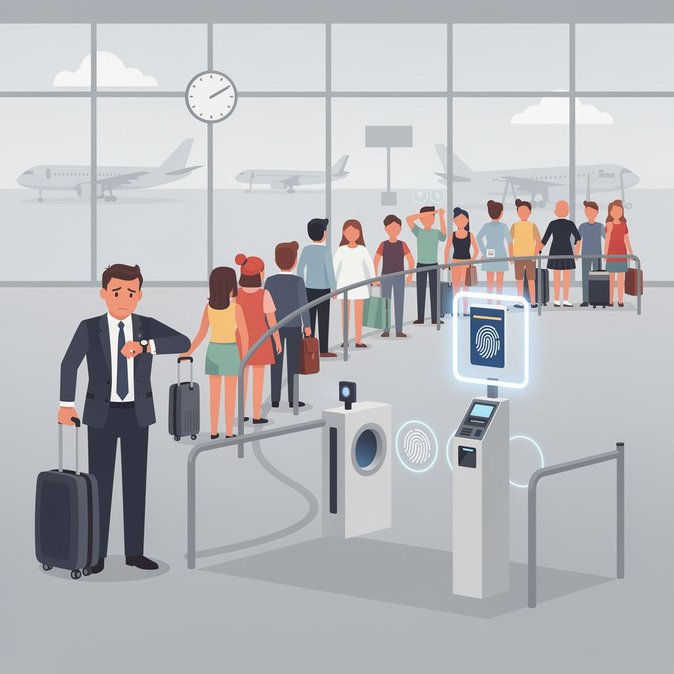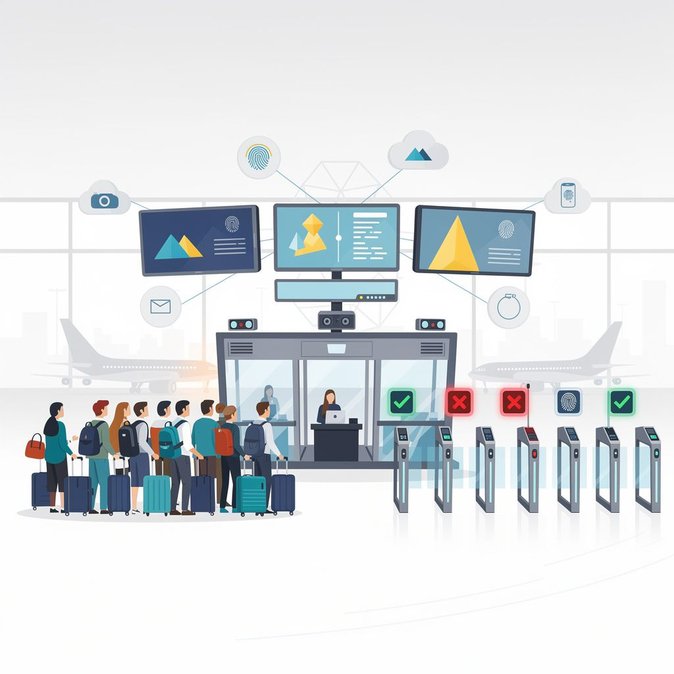
Channel Tunnel operator Getlink warned on 23 July that unresolved software problems could delay the roll-out of the EU’s biometric Entry/Exit System (EES) for car passengers, originally scheduled for 6 September. While the alert focused on the tunnel, German aviation officials told the news agency dpa that Frankfurt and Munich airports are running “dress-rehearsal days” to test fallback procedures should the central EU database remain unstable. Germany’s Federal Police confirmed that all 184 e-Gates have been upgraded with fingerprint and facial-recognition modules, but contingency plans include switching entire lanes back to manual stamping if uploads to the EU central repository time out. The Association of German Travel Management (VDR) estimates that each two-minute delay per passenger could cost the corporate travel sector €1.5 million per day in missed connections and rebookings. The hiccup also casts doubt on the timeline for ETIAS, which the Commission intends to activate in the fourth quarter. A further slip would spare visa-free travellers a €20 fee during the busy Christmas season but prolong uncertainty for airlines, which must retrofit check-in systems. Lufthansa said it has paused a tender for kiosks that can scan ETIAS QR codes until Brussels confirms dates. Mobility teams should alert travellers entering Germany from the UK or other non-EU countries after early September to expect longer lines and possible manual checks. Carriers advise arriving at least three hours before departure at Frankfurt and two hours at regional airports until the situation stabilises. The interior ministry will issue an operational notice by mid-August once the EU IT agency eu-LISA releases a revised deployment schedule.
Source: Reuters (via Euronext live feed)