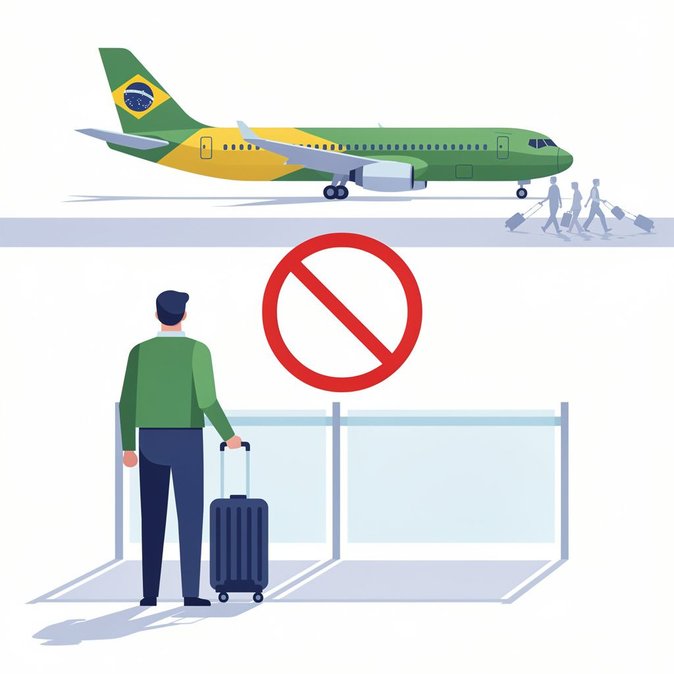
Brazil’s civil-aviation regulator ANAC applied its toughest penalty yet under Resolution 800/2026, issuing a six-month suspension to a male passenger who exposed himself and urinated in the aisle of a domestic flight earlier this month. The decision, published on 24 September, marks the first documented use of the “no-fly list” mechanism that came into force on 14 September. Resolution 800 allows airlines to bar unruly travellers for six or twelve months in cases deemed “grave” or “gravissime,” ranging from sexual harassment to physical aggression. Operators must notify the passenger immediately and file details with ANAC, which oversees a central database shared by all domestic carriers. The offender’s name will circulate among booking systems, preventing ticket purchase or boarding pass issuance on any Brazilian airline until March 2027. ANAC says due-process safeguards apply: the individual may appeal within five days, and airlines must remove the ban if the appeal succeeds. For global-mobility professionals, the case is significant. Companies should remind relocating staff and assignees that misconduct can have long-term consequences, including stranded travel, project delays and reputational damage. The rule change aligns Brazil with jurisdictions such as the United States and the EU, which already maintain carrier- or regulator-managed “no-fly” lists for disruptive passengers. Airlines welcome the move, arguing it deters behaviour that endangers crew and travellers, but civil-liberty groups have urged transparent oversight to prevent arbitrary enforcement.
Source: UOL