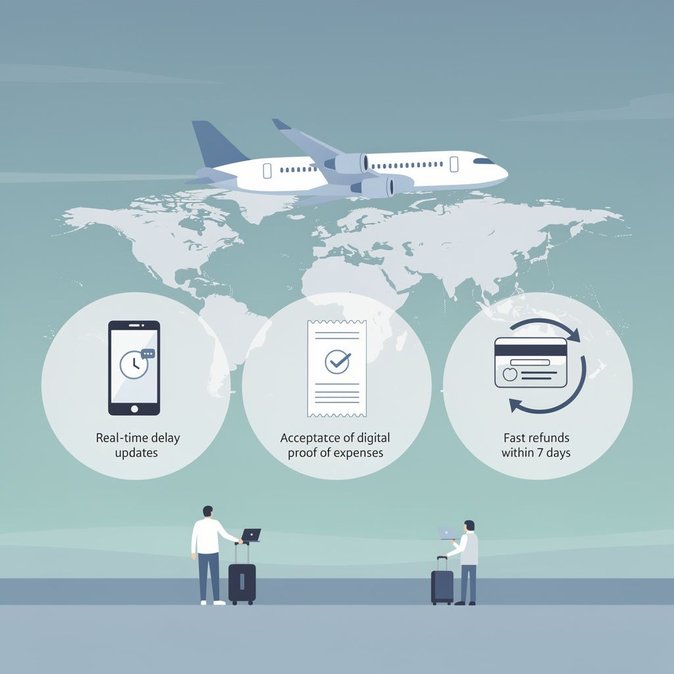
Brazil’s National Civil Aviation Agency (ANAC) has approved a new amendment to Resolution 400/2016, the regulation that sets minimum service standards for airlines operating in the country. Published on 23 September following a board meeting held the previous day, the updated text obliges carriers to provide clearer real-time information on the cause and expected duration of delays, to accept digital receipts for expense reimbursement and to refund passengers within seven days when a flight is cancelled and no alternative is accepted. The resolution keeps Brazil’s generous assistance thresholds—meals after two hours and accommodation plus ground transport after four—but clarifies that airlines may fulfil these duties by reimbursing reasonable out-of-pocket costs when immediate provision is impractical. Importantly for global mobility managers, the new rule stipulates that the same protections apply to international connecting itineraries sold under a single ticket, closing a loophole some carriers had used to deny support on the domestic leg. ANAC acted after a 35 % year-on-year jump in complaints registered on its "Fale com a ANAC" portal in the first half of 2026, driven by weather-related shutdowns in the South and repeated technical issues such as this week’s GPS outage. Consumer-rights bodies and corporate-travel associations had lobbied for tougher disclosure standards, arguing that uncertainty about re-routing options was more damaging to business productivity than the delays themselves. Airlines have 90 days to update their internal procedures and digital channels. Failure to comply may lead to fines of up to R$250,000 per occurrence. Gol and Latam told Agência Brasil they support harmonised rules but warned that mandatory cash refunds within a week could strain liquidity in peak-season disruption scenarios. Industry analysts expect carriers to invest in automated messaging platforms and to renegotiate Service Level Agreements with airport caterers and hotel chains. For expatriate managers and travel-risk teams, the amendment offers greater predictability when moving assignees or project teams across Brazil’s continental distances. Multinationals are advised to review their travel-insurance wording to ensure alignment with the new reimbursement timelines and to brief travellers on the documentation—preferably digital—that will now be accepted as proof of expenses.