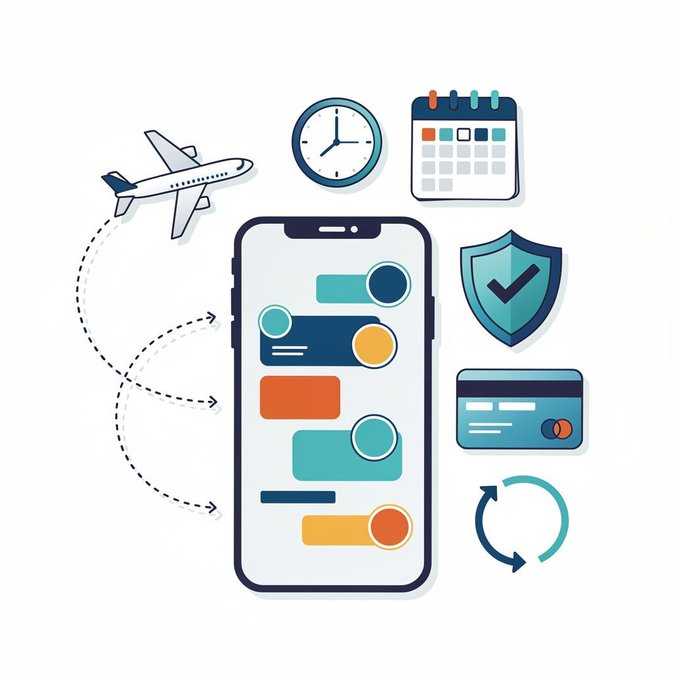
Brazil’s National Civil Aviation Agency (ANAC) has approved a broad revision of Resolution 400/2016, the rulebook that governs airlines’ obligations toward passengers. Published on 23 September 2026, the new text was developed after a public consultation and comes into force in roughly 30 days. The biggest change is transparency. At the time of purchase, carriers must now warn customers that flights may be altered by weather, safety or operational factors, and they must collect reliable contact details. If a disruption occurs, airlines have to send real-time updates through digital channels—showing revised departure times, re-routing options and how to claim assistance—until the situation is resolved. ANAC also clarified the scope of “material assistance.” Meals remain compulsory after two hours of delay, while lodging and ground transport kick in after four hours, even when the cause is force majeure. Where local suppliers are unavailable (for example, during extreme weather events), airlines may reimburse “reasonable and necessary” expenses within seven days. For mobility managers the overhaul reduces guesswork. Travellers will get earlier warnings, duty-of-care teams will have a single source of truth, and CFOs gain certainty about reimbursement timelines. Large carriers have already started updating back-office systems to push automated SMS and WhatsApp alerts, while travel-management companies are tweaking workflows to feed the same data into corporate booking tools. Finally, ANAC gave itself emergency powers: during major disruptions the regulator may impose temporary measures to guarantee minimum service levels. Multinationals operating in Brazil should monitor these bulletins, as they can affect re-routing and crew positioning across Latin America.
Source: Agência Gov