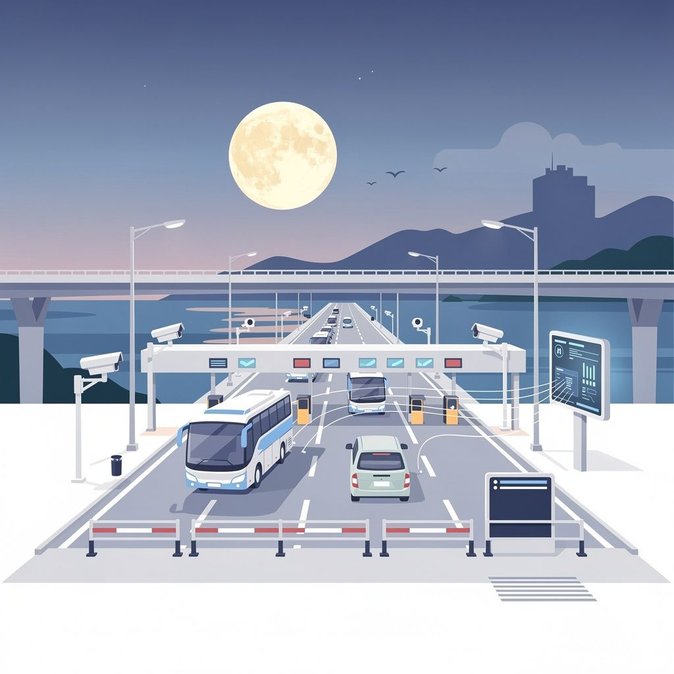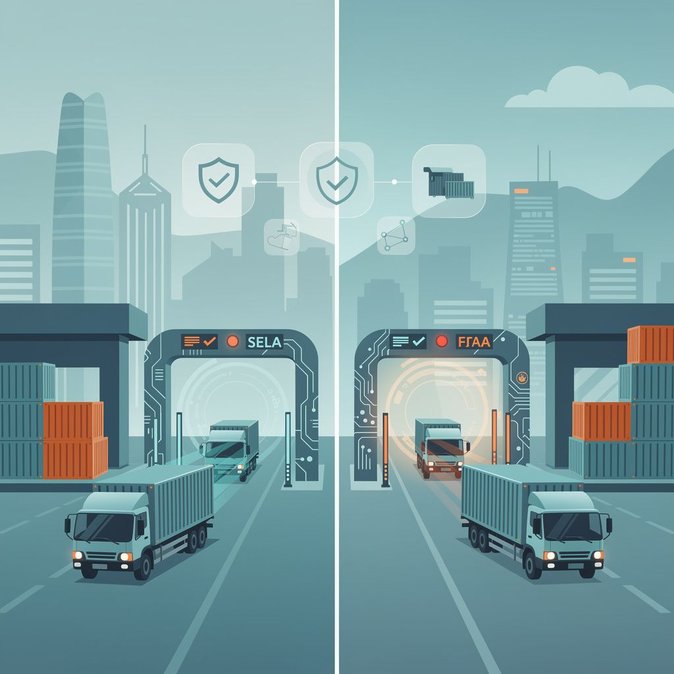
Senior officials from Hong Kong Customs & Excise and China’s General Administration of Customs concluded their biennial review meeting in Ningxia on 22–24 September, signing a new 2027-2028 Co-operation Plan focused on ‘Smart Customs, Smart Borders, Smart Connectivity.’ The accord pledges deeper collaboration on risk management, intelligence sharing and the construction of next-generation control points such as the new Huanggang Port. Highlights include joint trials of blockchain-based cargo manifests, mutual recognition of authorised economic operators (AEOs) across the Greater Bay Area, and a commitment to leverage the Hong Kong-Zhuhai-Macao Bridge to pilot 24-hour cargo clearance for fresh produce. Both sides will also expand officer-exchange programmes and simulation-based training to standardise inspection procedures. For manufacturers and logistics firms, the roadmap could translate into shorter dwell times at land ports and simplified paperwork by late-2027. Hong Kong already processes about US$1.2 billion in cross-boundary goods daily; customs bottlenecks currently add an estimated 10–15 hours to door-to-door delivery within the Pearl River Delta. Industry groups welcomed the announcement, noting that unified AEO recognition will let compliant companies enjoy ‘green-lane’ clearance on both sides of the boundary. Freight forwarders, however, urged authorities to publish a clear migration timeline to new IT platforms, warning that SMEs need at least six months to integrate data standards. Customs officials said a detailed implementation schedule will be released by the end of the year, with stakeholder workshops in Hong Kong and Shenzhen slated for November.
Source: Hong Kong Customs Press Release