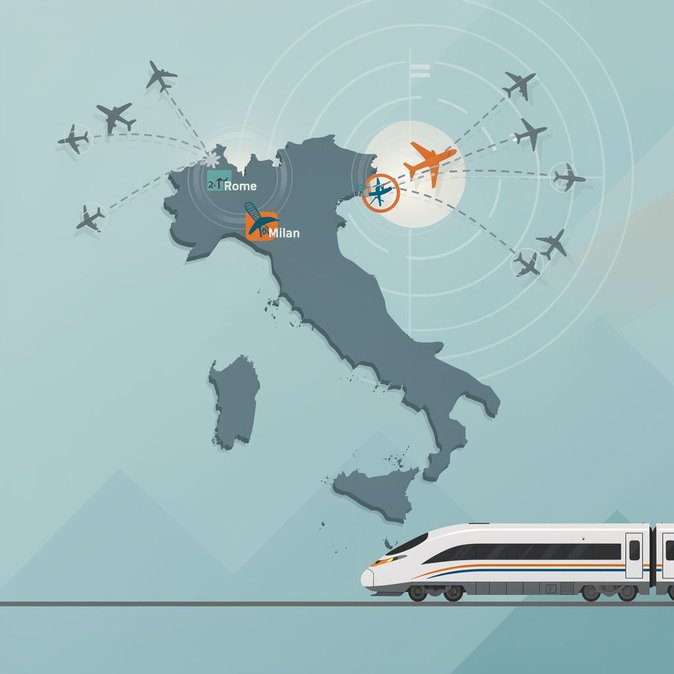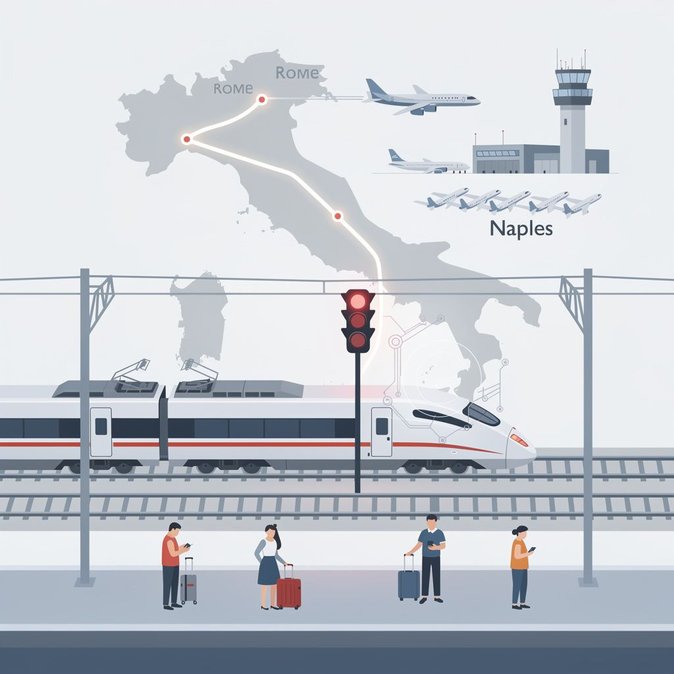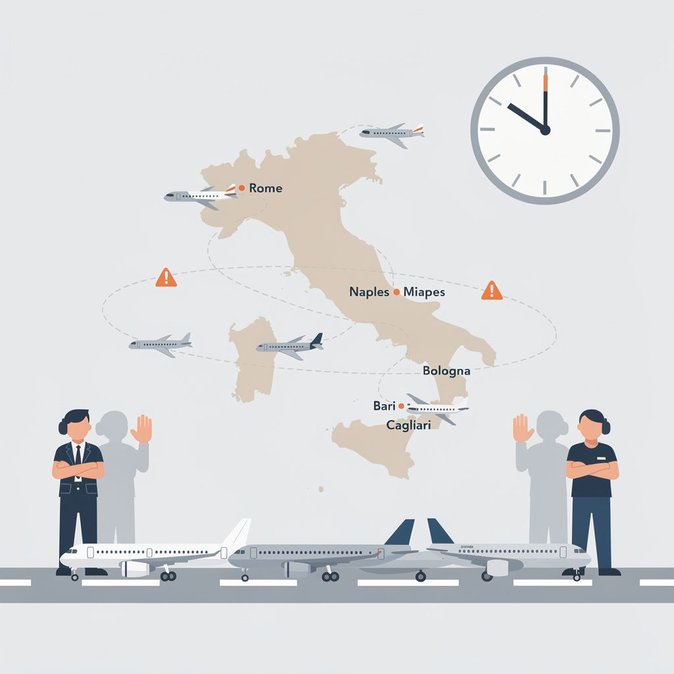
Italy’s autumn strike season has arrived. According to the public strike register read at 16:49 on 29 September, a rolling job-action by ground-handling staff at Cagliari Elmas is already in progress, while multiple air-traffic-control (ENAV) units across Rome, Bari, Bologna, Linate, Naples and other airports have announced four-hour walk-outs from 13:00 to 17:00 on 30 September. The Ministry of Infrastructure and Transport has validated the notices, and the Civil Aviation Authority (ENAC) has published its list of ‘voli garantiti’ — minimum-service flights that must operate even during stoppages. Long-haul intercontinental services, some point-to-point domestic legs and essential medical or rescue flights are protected, but hundreds of point-to-point intra-EU frequencies risk cancellation or significant delay. For business-travel managers, the timing is awkward. Quarter-end meetings, trade shows in Milan and pharmaceutical conferences in Naples have pushed demand close to pre-pandemic levels; hotel occupancies in the major cities already exceed 80 percent. Any mass rebooking could flood rail and car-rental capacity, particularly around Rome where ENAV’s central procurement and ASPP units are among those striking. Under Italian law, companies must give passengers at least 24 hours’ notice of cancellations caused by industrial action to avoid EU261 compensation, but late roster changes are common. Several carriers — including ITA Airways and easyJet — have issued flexible-rebooking waivers for travel between 29 September and 2 October. Travellers holding non-changeable corporate fares should verify whether their TMC can override fare restrictions under the airlines’ special Irregular Operations (IROPs) policies. Looking ahead, unions have pencilled in additional 24-hour multi-sector strikes for 2 October and mid-October. Multinationals running rotational assignments in Italy would be wise to map these dates against project-critical travel and consider remote-work contingencies.
Source: Fiumicino.it / ENAC