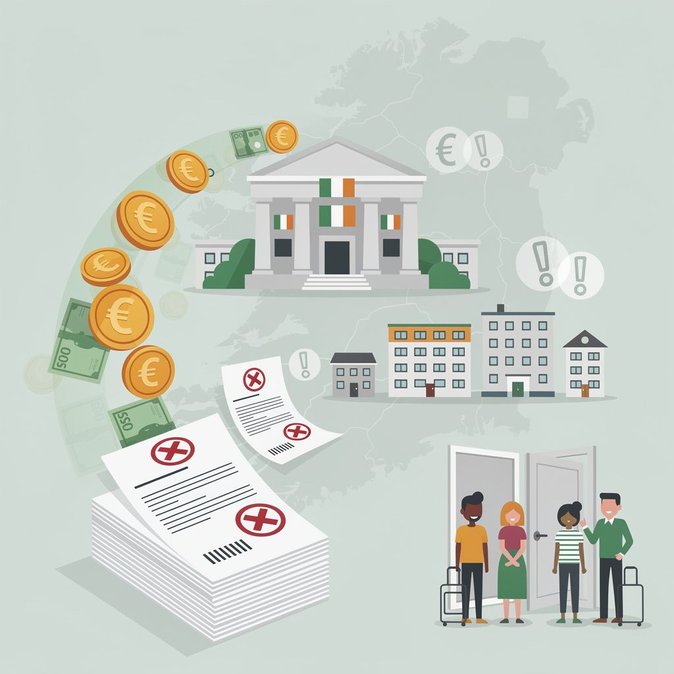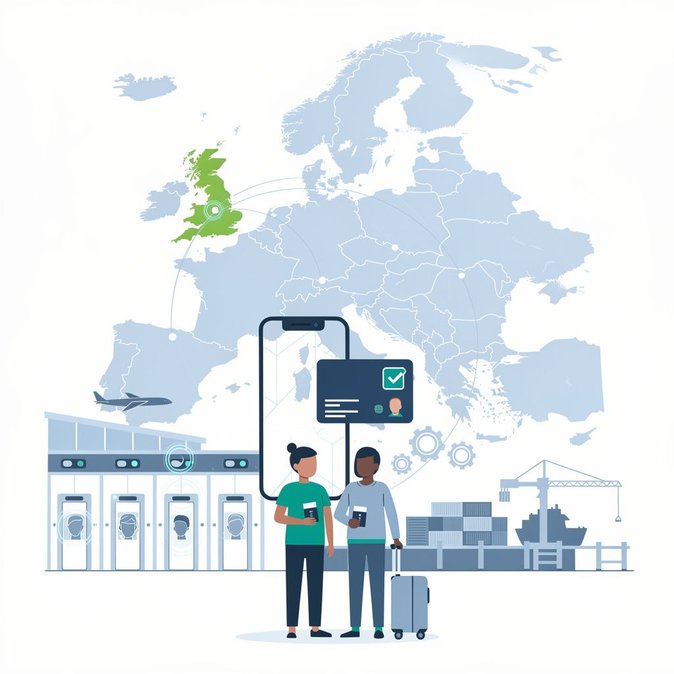
A media advisory issued late on 30 September confirmed that Ireland’s Minister for Justice, Home Affairs and Migration, Jim O’Callaghan, will chair the EU Justice and Home Affairs (JHA) Council meeting in Luxembourg on 1–2 October 2026. The agenda is dominated by the operational roll-out of the EU Pact on Migration and Asylum, Schengen governance, and preparations for the May 2027 introduction of the digital Schengen Visa. Ireland—although outside the Schengen Area—holds voting rights on police and judicial co-operation files and has become an influential broker between Schengen and non-Schengen states on border-technology issues. According to Dublin officials, Minister O’Callaghan will push for guarantees that the new automated Entry/Exit System (EES) will not create ‘shadow borders’ at Irish Sea ferry ports, where CTA rules complicate biometric data collection. For mobility professionals the meeting matters because several legislative items reach decisive stages. Council working parties have agreed to phase in the Digital Schengen Visa (DSV) from Q3 2027, replacing visa stickers with QR-coded authorisations. While the DSV will not apply directly to Ireland, Irish airports processing connecting Schengen traffic must upgrade e-gates and staff training within 18 months. The Council will also approve funding allocations under the EU Asylum, Migration and Integration Fund. Ireland is expected to receive €110 million for reception-capacity expansion and integration programmes, creating new regional work-permit quotas that could benefit multinationals seeking talent outside the EEA. Finally, ministers will discuss interoperability between the EU’s EES, ETIAS and the UK’s ETA schemes. Legal experts anticipate a pilot data-sharing interface covering certain ferry routes in 2027. Companies moving staff between Ireland, the UK and continental Europe should track these talks closely as they herald a more data-intensive travel environment.
Source: Council of the European Union