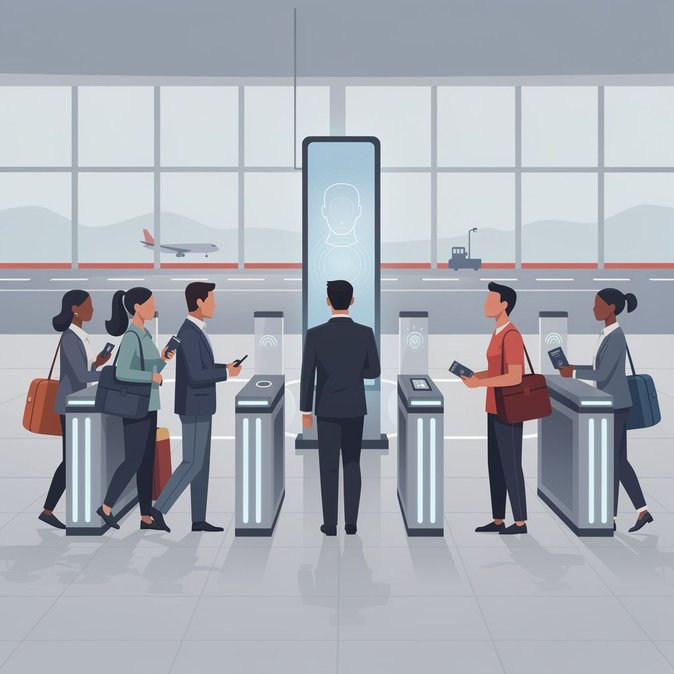
In an official press release issued on 6 October, the Home Office and Border Force announced that every eGate operating at UK airports will be upgraded to ‘contactless mode’ over the next 15 months. The statement emphasises that the technology—already piloted at Manchester last year—will allow passengers simply to look at a camera, with no need to place their passport on the reader, while maintaining full biometric and security checks. According to the announcement, the phased rollout begins this week at Birmingham and East Midlands airports and will quickly extend to Heathrow, Gatwick and 10 other major hubs. Airlines will provide Border Force with advance “gallery” images drawn from passengers’ passport chips, enabling the system to match each traveller on arrival within two seconds. Officials stress that privacy safeguards comply with UK GDPR and that all images are deleted automatically after the statutory retention period. The move is part of a broader Border Modernisation Programme that also includes compulsory ETAs for non-visa nationals and the replacement of physical BRP cards with eVisas. By automating low-risk passenger processing, the Home Office expects to free up hundreds of officers for complex asylum and enforcement work at ports and inland. Industry group Airlines UK said the announcement gives carriers greater confidence to invest in biometrics at departure gates, paving the way for truly end-to-end contactless travel within the next decade. For corporate mobility managers, the press release provides valuable operational detail: British citizens enter first, followed by other eGate-eligible nationals in early 2027; passengers who fail the facial match will be diverted to a staffed desk; and everyone must still bring a passport in case of secondary checks. Companies should update arrival guidance in traveller apps to reflect the new procedure and to remind staff to remove hats, masks and glasses when approaching the gate. While the technology promises shorter queues, experts caution that early teething problems—such as poor lighting or network glitches—could temporarily slow flows. Employers are therefore advised to maintain sufficient connection times for transfers until performance data stabilises across the network.
Source: UK Government press release