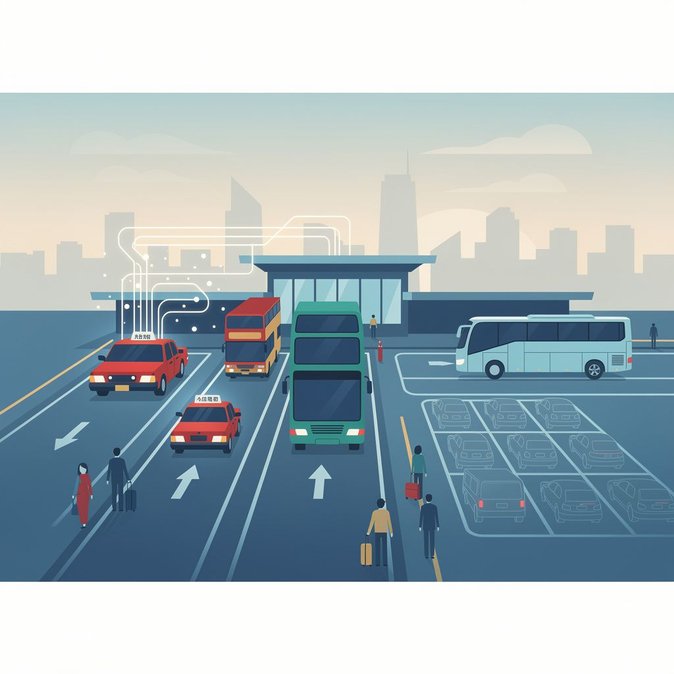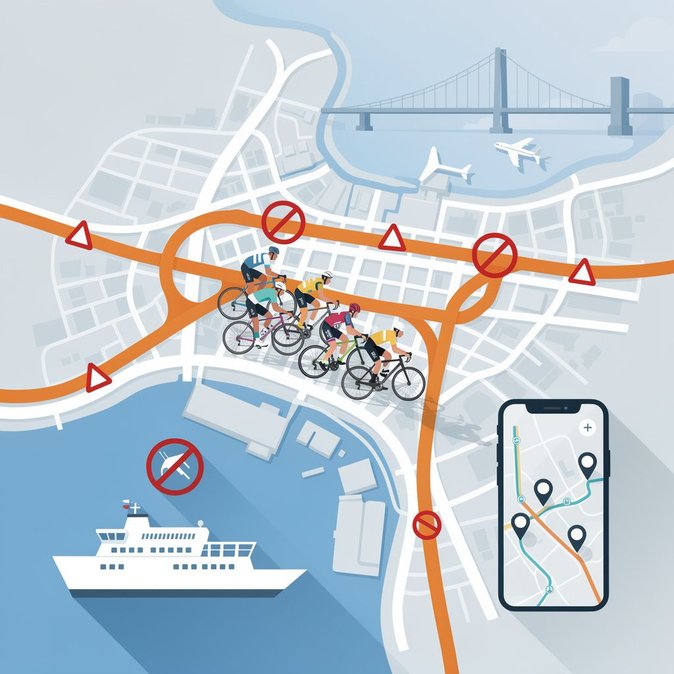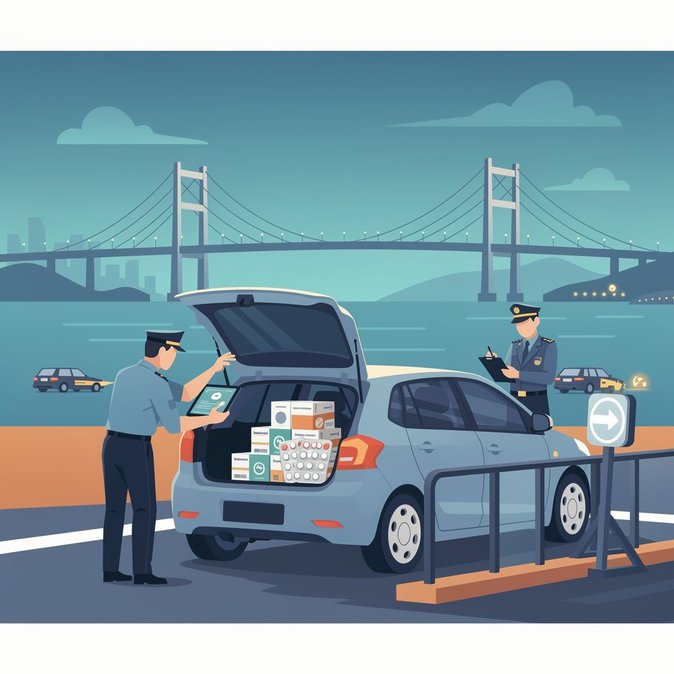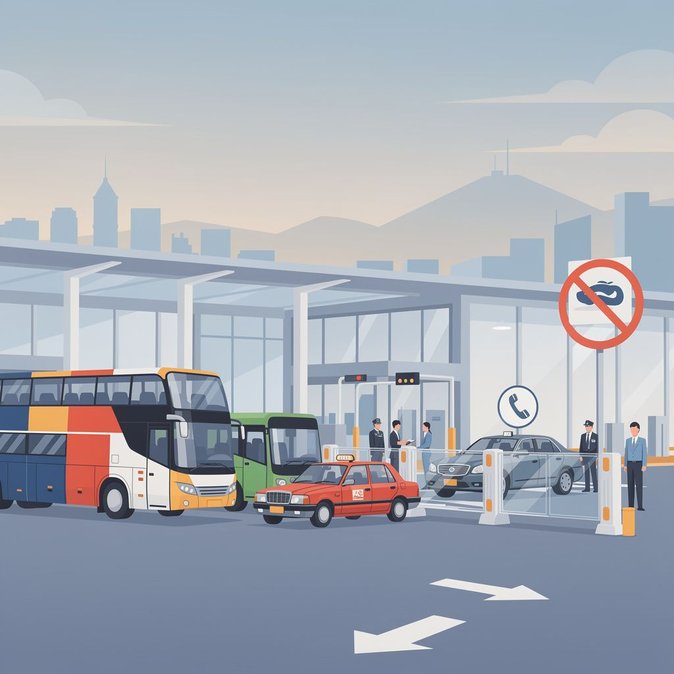
Hong Kong’s Transport Department has laid out strict public-transport rules for the forthcoming Huanggang Port, warning that ride-hailing apps such as Uber will be barred from the restricted boundary-control area. At a 7 October briefing, officials said travellers must use one of seven franchised bus routes, six green-minibus lines or five 24-hour cross-border shuttles that link the port with major MTR hubs. Empty urban and New Territories taxis may enter only after obtaining a token at a holding area, while pre-booked fleet taxis will queue separately. Real-time video feeds will allow regulators to activate backup buses within two minutes if arrival halls become congested. A dedicated passenger-liaison team – dubbed “transport ambassadors” – will staff the port around the clock during the launch month to explain fare tables, route maps and QR-code payment options in Cantonese, Putonghua and English. Officials urged travellers “not to rush” to the new port during its first days of service, advising them to consider the Lok Ma Chau Spur Line rail crossing or the Hong Kong–Zhuhai–Macao Bridge if they are on tight schedules. The authorities have also integrated Huanggang’s CCTV network with the Emergency Transport Co-ordination Centre in Mong Kok, enabling instant traffic-flow adjustments along the Fan Ling Highway corridor. For corporate mobility managers, the restrictions mean staff shuttles and supplier vans will need advance permits and cannot rely on on-demand ride-share pickups. Travel-policy updates should specify the authorised bus numbers and remind employees landing on late-night flights that only designated taxi fleets can enter the port precinct. Logistics firms moving high-value components are advised to factor in the additional checkpoint process for vehicles before committing to just-in-time delivery windows. The revamped port is expected to open on 12 October, operating 24 hours and replacing the aging land terminal that has served Shenzhen commuters since 1989.
Source: South China Morning Post