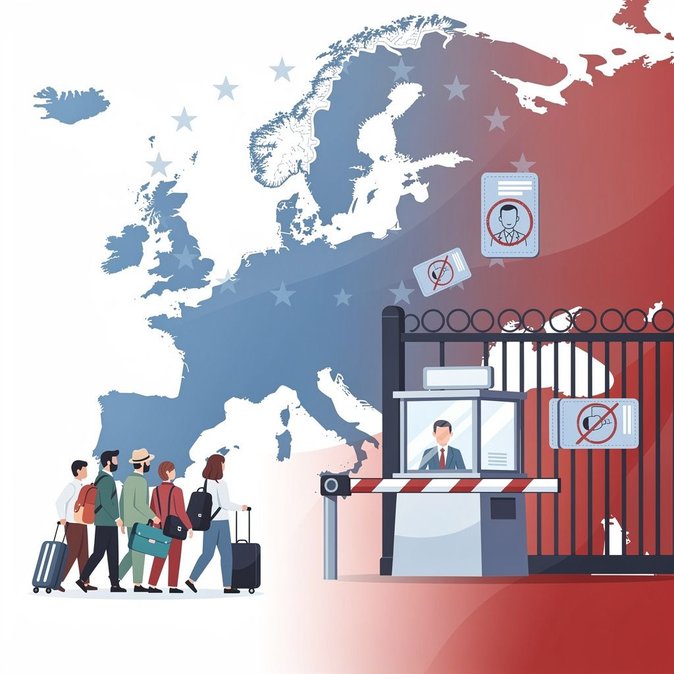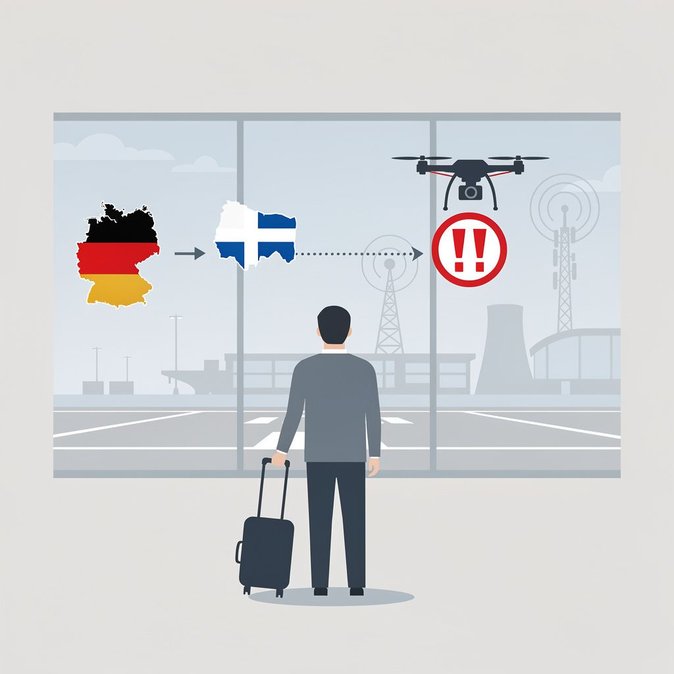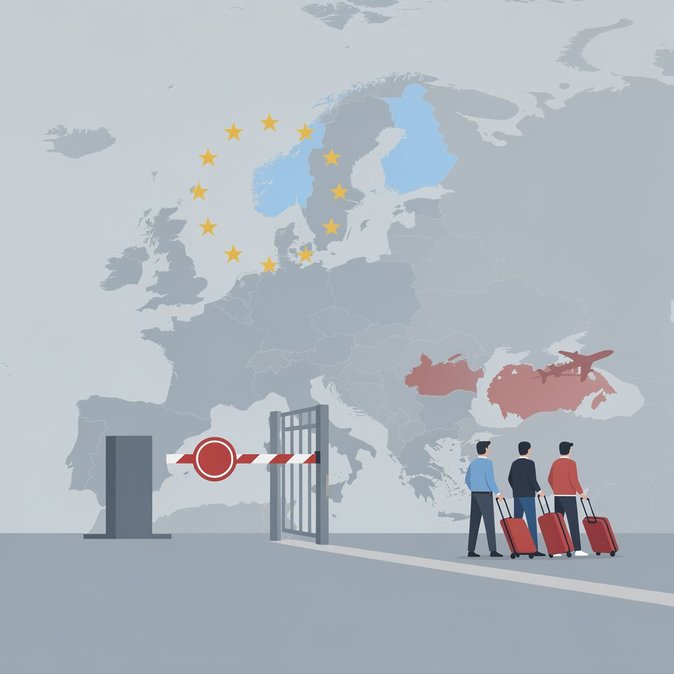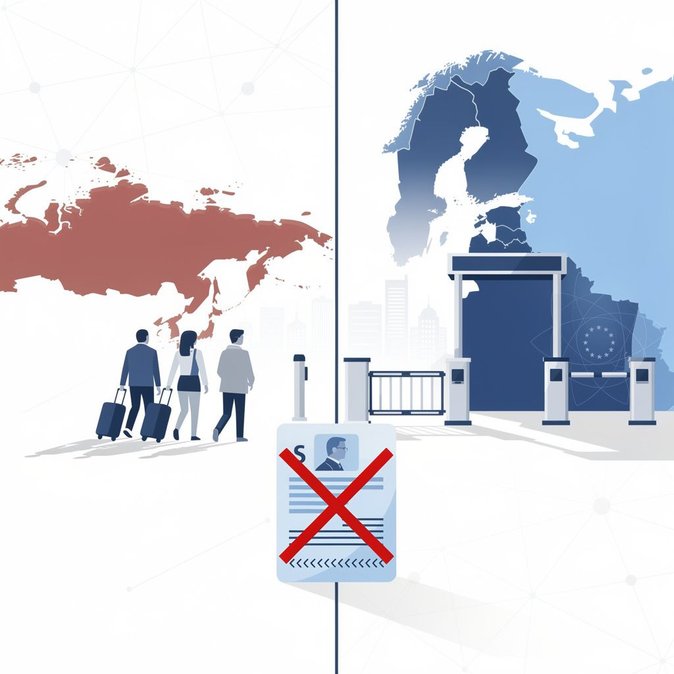
Finland has dramatically stepped up its campaign to isolate Russia from European travel, with both Prime Minister Petteri Orpo and Foreign Minister Elina Valtonen using Monday’s EU meetings to demand an immediate halt to the issuing of Schengen tourist visas to Russian nationals. In an interview with Finnish broadcaster Yle, Orpo said he would table the proposal at next week’s European Council in Brussels, arguing that unrestricted travel creates “unacceptable security risks” at a time when European authorities suspect Russian sabotage operations across the continent. A leaked letter dated 12 October and seen by the Kyiv Independent shows Valtonen spelling out a five-point plan: (1) stop issuing Schengen visas for non-essential Russian travel; (2) make a visa ban on President Vladimir Putin’s circle legally binding EU-wide; (3) refuse visas to athletes and sports delegations linked to the Russian state; (4) bar ex-combatants of Russia’s armed forces; and (5) amend the EU Visa Code so Brussels can swiftly impose blanket restrictions on hostile third-country nationals. Finland already stopped processing most Russian tourist visas in 2022, but officials say loopholes in other member states allow tens of thousands of Russians to enter the bloc each month via air or land. Helsinki’s hard-line stance is driven by domestic politics and geography. Since Russia’s full-scale invasion of Ukraine, public opinion in Finland—now NATO’s newest member—has become sharply sceptical of Russian cross-border movement. The land frontier, closed to nearly all passenger traffic since December 2023, has seen repeated attempts by migrants allegedly channelled by Moscow to enter the EU irregularly. Officials fear that visa-free tourism could provide cover for intelligence gathering, economic sanctions-busting and sabotage of critical infrastructure such as data cables and energy pipelines in the Baltic Sea. If adopted, the Finnish proposal would mark the first EU-wide travel restriction aimed squarely at ordinary Russian tourists, rather than at sanctioned individuals. Diplomats say several Central and Eastern European governments support the idea, but heavyweights like France, Germany, Italy and Spain have previously resisted blanket bans, citing legal obstacles and the importance of maintaining people-to-people contacts. Valtonen indicated that Finland could back a compromise allowing “territorially limited” visas that confine Russian visitors to a single member state, but only as a stop-gap until a full suspension is agreed. For global-mobility managers, the move would have immediate consequences. Russian employees, clients or assignees planning European travel for business meetings, trainings or conferences may find applications rejected or limited to humanitarian grounds. Companies should review contingency plans for relocating critical staff through third-country hubs, track developments in EU sanctions policy and reassess risk exposure for cross-border projects that involve Russian nationals. Meanwhile, Finnish border authorities are preparing for stricter screening of any residual flows, and advise travellers of all nationalities to expect longer processing times at airports and seaports should the EU accept Helsinki’s plan.
Source: Kyiv Independent / UATV