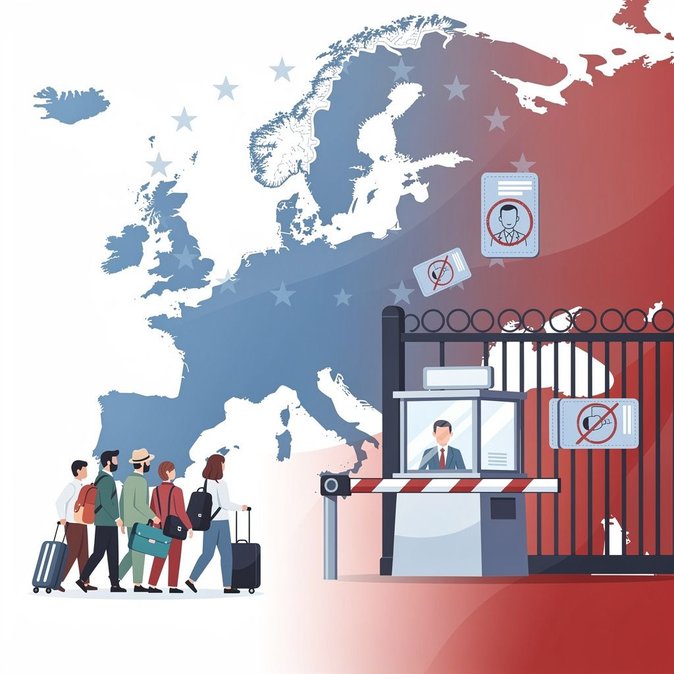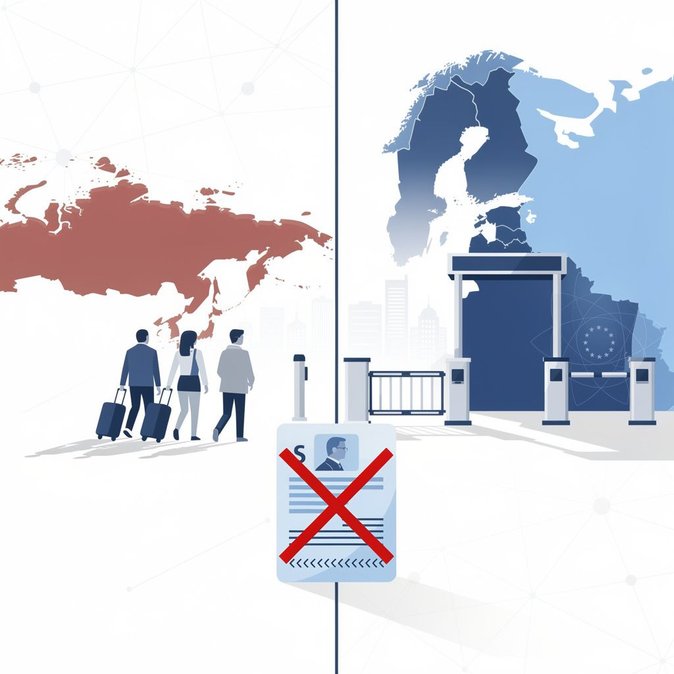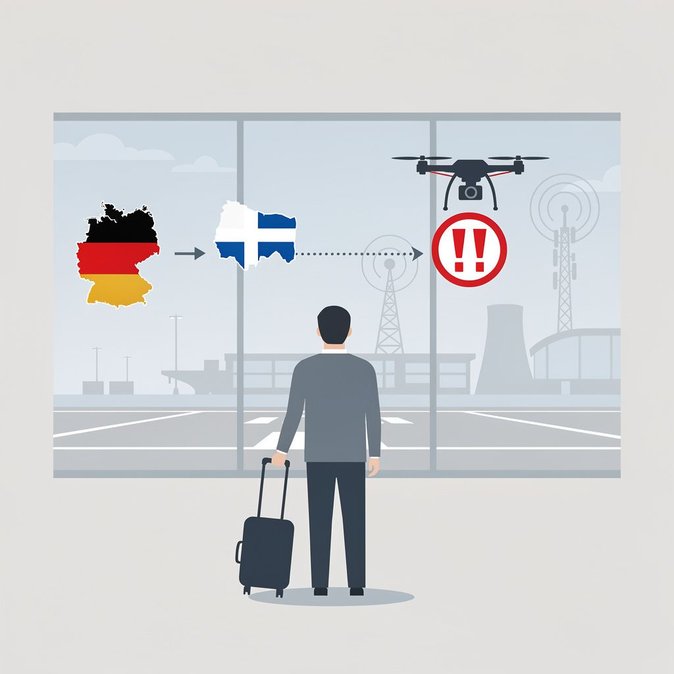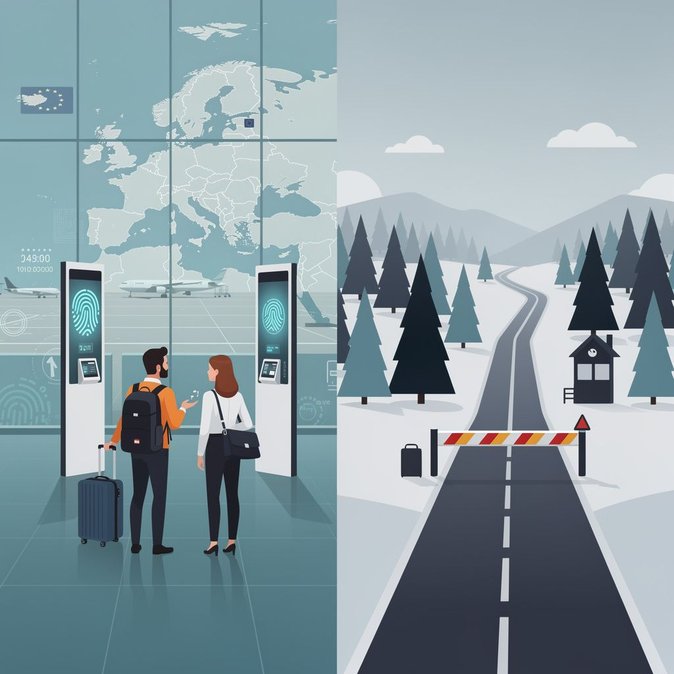
Australia’s Department of Foreign Affairs and Trade (DFAT) quietly refreshed its Smartraveller advice for Finland on 12 October 2026. While the overall risk level remains “Exercise normal safety precautions”, the bulletin highlights two mobility issues that corporate travel managers should note. First, DFAT flags the full roll-out of the EU’s Entry/Exit System (EES) and the upcoming European Travel Information and Authorisation System (ETIAS). Travellers entering Finland—and the wider Schengen Area—for short stays must now submit to biometric fingerprint and facial-image capture on arrival. Dual nationals are advised to enter and exit on the same passport to avoid mismatched records that could trigger an over-stay alert under EES analytics. HR teams sending staff on repeated short assignments should track cumulative days to stay within the 90/180-day rule, as the automated system removes the discretion previously exercised by border officers. Second, the advisory reiterates that Finland’s land and most maritime border-crossing points with Russia remain closed “indefinitely”. Passenger rail services between St Petersburg and Helsinki are suspended and leisure boating in the Eastern Gulf of Finland is prohibited. This effectively forces any remaining essential travel between the two countries to flow through third-country hubs such as Istanbul or Belgrade, adding time and cost for businesses that still maintain operations in north-west Russia or employ dual-based staff. The notice also warns of possible delays at Helsinki-Vantaa airport as EES enrolment queues build during peak hours. Employers are encouraged to book longer connection windows, brief employees on biometric procedures and ensure passports have at least two blank pages for EES-inked stamps if a kiosk fails. Although the Smartraveller update is aimed at Australians, the same operational realities apply to multinational enterprises worldwide. Travel-risk managers should update policy documents, circulate pre-trip checklists covering Schengen day-count calculations and reconfirm insurance arrangements now that Finland’s border-control model relies heavily on automated systems.
Source: DFAT Smartraveller