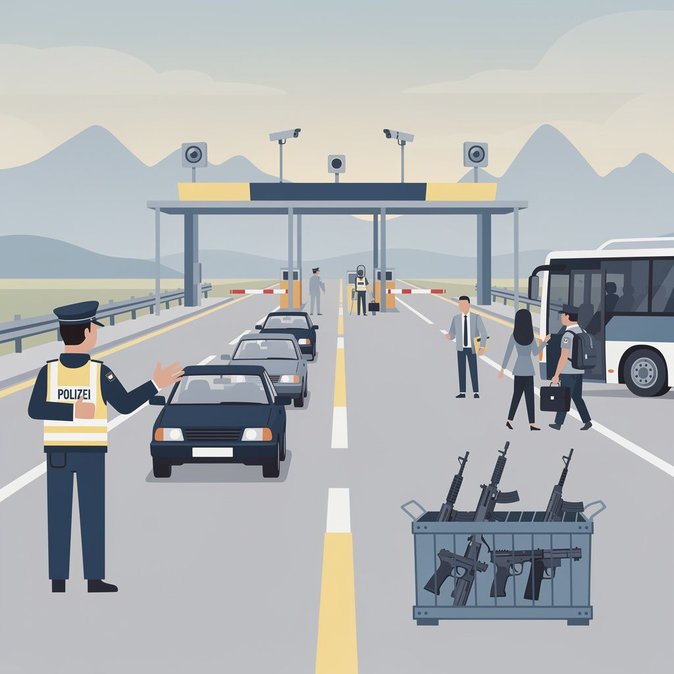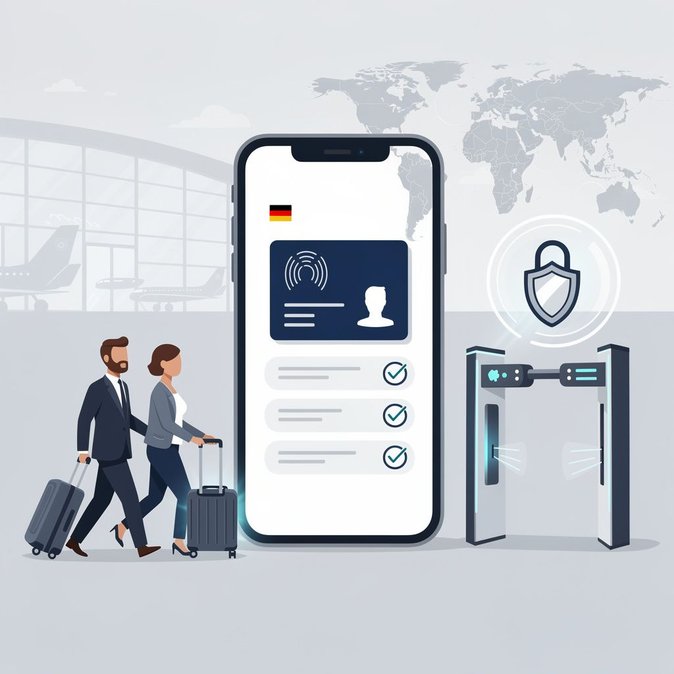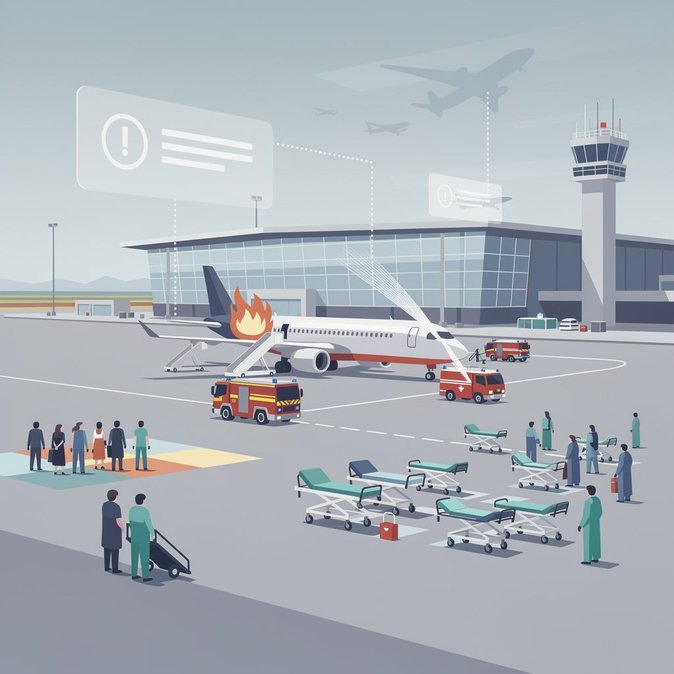
Berlin Brandenburg Airport (BER) staged its largest emergency exercise since opening, shutting an unused stand and parts of Terminal 1 between 10 a.m. and 3 p.m. on 14 October while 600 responders rehearsed an aircraft-fire and mass-casualty scenario. The drill involved Brandenburg state police, federal police, the airport fire brigade, local rescue services and volunteer role-players acting as injured passengers. Using a retired Airbus fuselage, teams practised rapid evacuation, triage, evidence preservation and passenger-information protocols. Management timed the exercise deliberately three days before Germany’s autumn-holiday peak, when BER expects 1.4 million travellers over a 16-day period. "If something goes wrong next week, we have to be able to clear a burning wide-body in under 90 seconds and reopen critical infrastructure within hours," airport COO Thomas Hoffmann told reporters. During the drill, live flight operations continued, but several airside service roads were rerouted and arriving crews were warned of possible radio congestion. For corporate travel planners, the takeaway is two-fold. First, BER’s continued investment in joint response capability reduces the risk of chaotic ad-hoc measures that can snarl connecting itineraries. Second, travellers can expect visible police and medical presence in the terminals during the holiday wave, along with random ID checks linked to Germany’s reinstated internal-border controls. The exercise also tested the airport’s new multilingual passenger-alert app, capable of sending push notifications in German, English, Turkish and Arabic within thirty seconds of an incident. Early feedback from observers suggests the system succeeded in reaching 97 % of connected devices. Technology vendors attending the drill said BER’s approach could become a template for other German gateways looking to digitise crisis communication ahead of the EU’s Entry/Exit System go-live in 2027. A formal after-action report will be published in November; insurers and airline safety departments are expected to scrutinise the findings closely as they reassess risk premiums for flights into the German capital region.
Source: Polizei Brandenburg