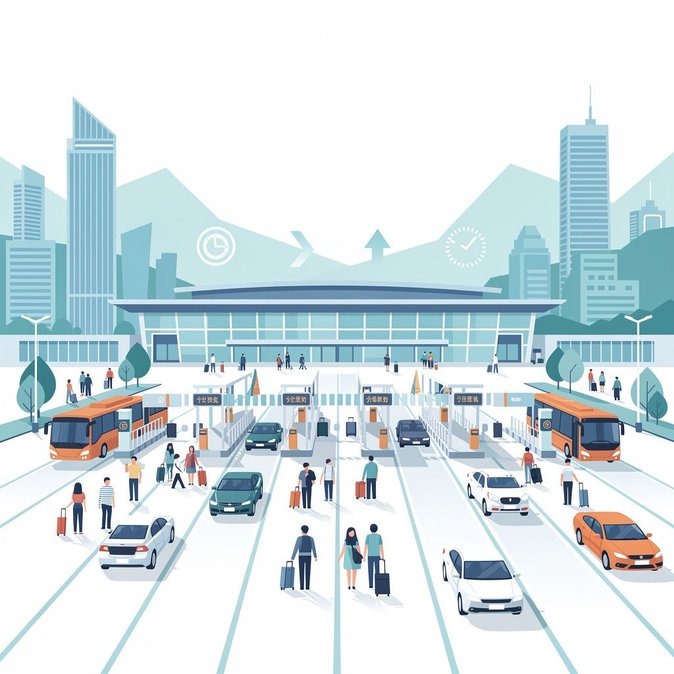
Hong Kong’s long-awaited rebuilt Huanggang Port recorded 79,500 passenger movements and 8,000 vehicle crossings in the 24 hours after it opened at 06:30 on 12 October. Data released by the Shenzhen General Station of Exit and Entry Frontier Inspection show roughly equal north- and south-bound flows, with 41,300 arrivals in Hong Kong and 38,200 departures on day one. Transport Secretary Mable Chan told local radio on 13 October that immigration clearance and public-transport links were “smooth and fully met expectations”. The port is Hong Kong’s first land checkpoint to operate a 24-hour “collaborative inspection, joint clearance” model: travellers present documents once at a single automated gate that simultaneously performs Hong Kong and mainland checks. The system removes the need for duplicated queuing and has reduced average clearance times from around 30 minutes to under five, according to Immigration Department trial data. Businesses expect immediate benefits. Logistics companies say the simplified exit-entry process cuts cross-border trucking costs by 10-15 per cent and improves schedule reliability for just-in-time deliveries between Shenzhen factories and Hong Kong International Airport. Cross-boundary coach operators have added 60 extra departures per day this week, while taxi associations report a 20 per cent rise in bookings to the port’s transport interchange. Officials are bracing for the crossing’s first major stress test over the Chung Yeung Festival long weekend (17-19 October). Contingency plans include dynamic lane allocation, crowd-management barriers and real-time public-transport updates pushed through the “Go Hong Kong” app. If the debut holiday surge is handled smoothly, the government is expected to accelerate plans to retrofit the joint-clearance model at Shenzhen Bay and Lok Ma Chau by 2028. For multinational employers, the modernised port offers staff faster access to the tech and manufacturing clusters of the Greater Bay Area. HR teams arranging same-day client visits or split-location assignments can now budget less “border buffer” time and schedule later evening returns, expanding workable business hours across the boundary.
Source: South China Morning Post