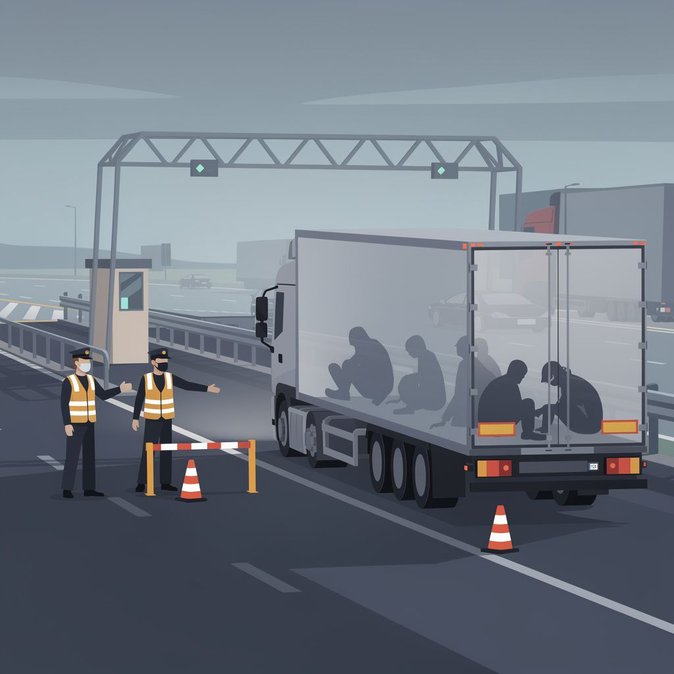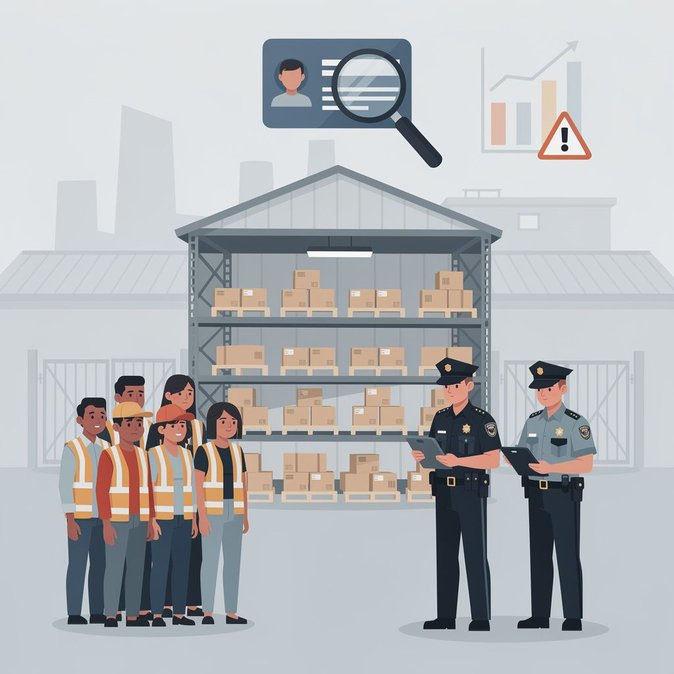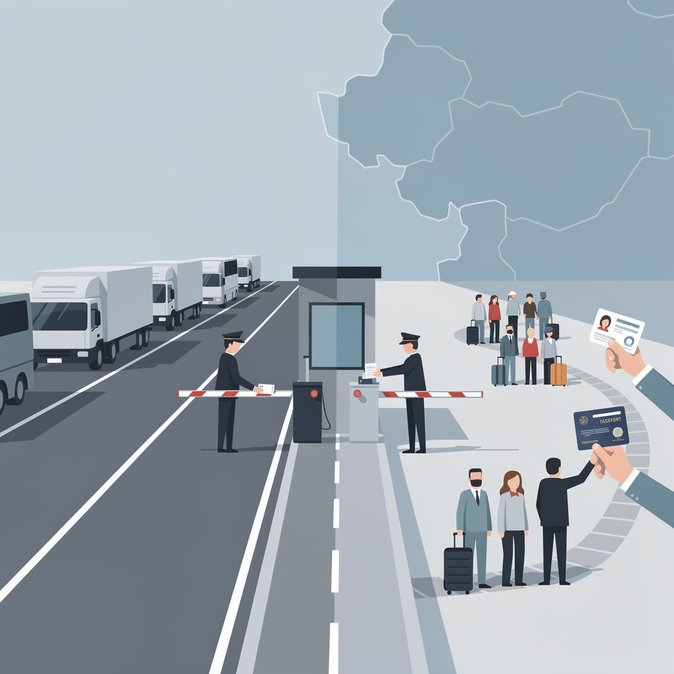
The Podlaskie Border Guard District has issued a one-year review of the temporary controls Poland re-introduced on its border with Lithuania on 7 July 2025—measures that will now stay in force until at least 1 October 2026. Over the past twelve months, officers inspected more than 1.7 million people and 930 000 vehicles entering Poland, refusing entry to 1 060 individuals, mostly because they lacked valid travel documents, exceeded their permitted Schengen stay or could not present visas or residence permits. Readmission statistics underline the scale of irregular transit: more than 1 100 migrants apprehended inside Polish territory were transferred back to Lithuania during the period. Controls are carried out at thirteen designated points, including the former Budzisko and Ogrodniki border posts and the Trakiszki rail crossing on the Kaunas-Kraków line, where business travellers on overnight trains must now budget extra time for onboard document inspections. The Lithuanian corridor has grown in importance for smugglers since Belarus tightened visa-free access from Asia and Africa in 2024. Haulage firms report a rise in attempts to conceal migrants in lorries heading south-west towards Germany, prompting joint sweeps by Poland’s Border Guard, customs (KAS) and the military. Companies operating just-in-time supply chains from the Baltic States to Polish factories—particularly in the automotive and electronics sectors—are already experiencing occasional hold-ups and should review contingency routing via Kaliningrad ferries or the Suwałki international highway. For global mobility practitioners the key takeaway is document discipline. All passengers, irrespective of age, must carry passports or EU national IDs; third-country employees must have valid Schengen visas or residence cards ready for inspection. With the Entry/Exit System (EES) fully active at the crossing points, overstays will be flagged automatically and could trigger multi-year re-entry bans. Although Warsaw portrays the regime as a security necessity, the year-end audit suggests it is likely to be prolonged again. HR teams relocating staff between Vilnius, Kaunas and northeast Poland should therefore treat the land border as controlled territory and budget for formal clearance procedures similar to those at external Schengen frontiers.