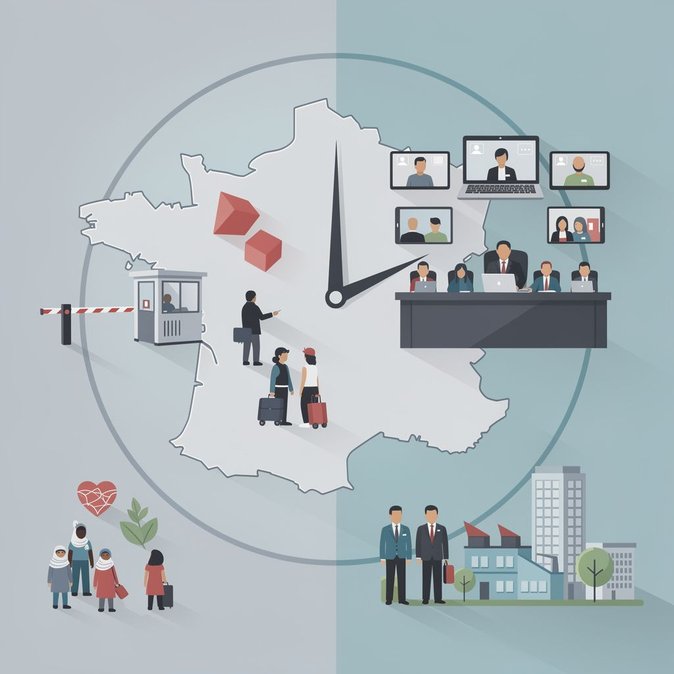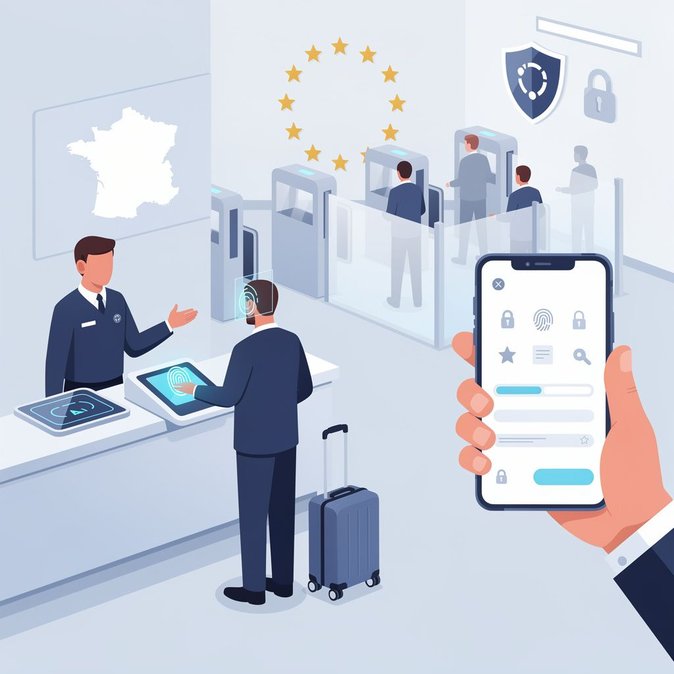
Speaking to The Independent on 17 July 2026, the French Interior Ministry declared that the EU’s biometric Entry/Exit System (EES) has “already proven its worth,” citing more than 44,000 entry refusals—including 1,100 individuals deemed security threats—since the system went live in October 2025. Officials said France has avoided the six-hour airport queues reported elsewhere because it is using the contingency clauses in the EES Regulation to throttle the number of passengers processed through kiosks at peak times. The ministry confirmed that 350 additional border officers have been hired and that a remote pre-registration mobile application will enter beta testing in August. The app will let travellers upload passport data and facial biometrics before arrival, cutting the average kiosk interaction to “under 60 seconds.” Transport hubs—including Paris-Charles-de-Gaulle, Gare du Nord Eurostar terminal and the Port of Calais—are installing extra e-gates and tablet stations ahead of the summer peak. Airport and ferry operators, who in June urged Brussels to delay full enforcement, say the French approach provides a template for balancing security and flow. “Staggered deployment, real-time staffing and pre-enrolment are keeping the lines moving,” commented Aéroports de Paris’ head of operations during a stakeholder webinar. For business travellers the news is mixed. In the short term, manual stamping remains possible if kiosks are offline, so most French airports are functioning normally. But once the temporary emergency safeguards expire on 6 September 2026, all non-EU visitors—including British and American executives—will be required to complete biometric capture. Travel managers should brief staff to download the upcoming app and allow extra time for sea and rail crossings where hardware is still being installed. The Interior Ministry and the Transport Ministry will publish weekly dashboards on wait-time performance from 1 August. Companies operating frequent cross-Channel shuttles are invited to join a public-private monitoring group that will meet bi-weekly through the end of the year.
Source: The Independent