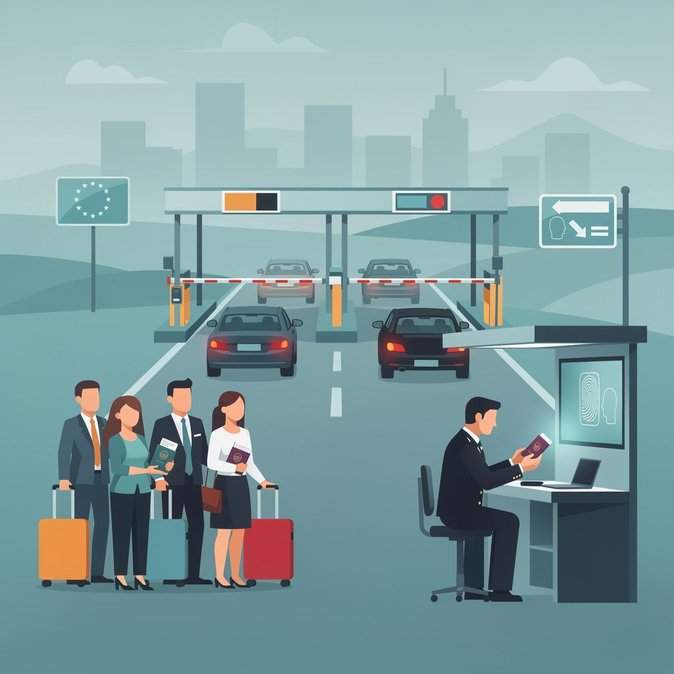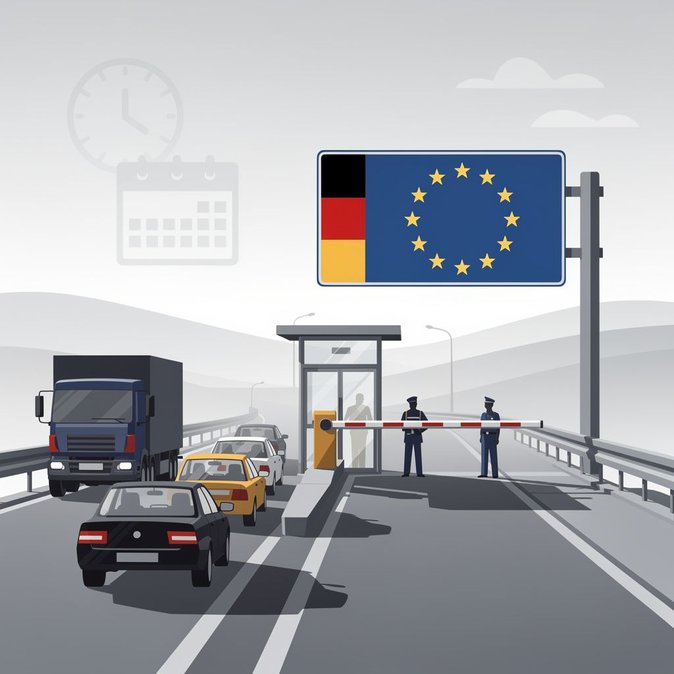
In a late-night update to its plenary portal dated 24 July 2026, the German Bundestag confirmed that motions tabled by the Greens and The Left to abolish summary turn-backs at Germany’s internal Schengen borders were rejected in committee. The debate, originally held in May, has been revisited because Interior Minister Alexander Dobrindt earlier this month extended stationary checks with Austria, Poland, the Czech Republic and Switzerland until at least 15 September 2026. The Greens’ new proposal (21/5751) called the practice “arbitrary and unlawful”, citing recent administrative-court rulings that branded mass turn-backs incompatible with EU law. Government parties argued the controls remain necessary to manage irregular migration and organised smuggling networks. Critics counter that mobile, risk-based policing would be less disruptive for commuters and supply chains. Industry associations have joined police unions in warning that two years of continuous checks have generated significant staffing costs and transit delays, especially for cross-border SMEs in Bavaria and Saxony. Logistics firms report average wait times of 35 minutes for trucks at Walserberg and Suben—up from 5 minutes pre-2024. The rejected motions urged Berlin to prioritise humanitarian visas and EU relocation programmes instead. With parliamentary backing, the Interior Ministry is expected to notify Brussels of yet another six-month prolongation under Article 25a of the Schengen Borders Code. That could put Germany on a collision course with the European Commission, which in June recommended phasing out long-standing internal checks. Companies moving staff across the DACH region should factor continuing ID inspections—and possible strikes by overstretched border police—into travel schedules. HR mobility managers are advised to brief employees on carrying passports for domestic flights that route near the frontier and to budget extra transit time for assignment kickoff dates after 31 August. Seasonal holiday traffic will further compound bottlenecks, as highlighted by the ADAC’s latest congestion outlook.
Source: Deutscher Bundestag