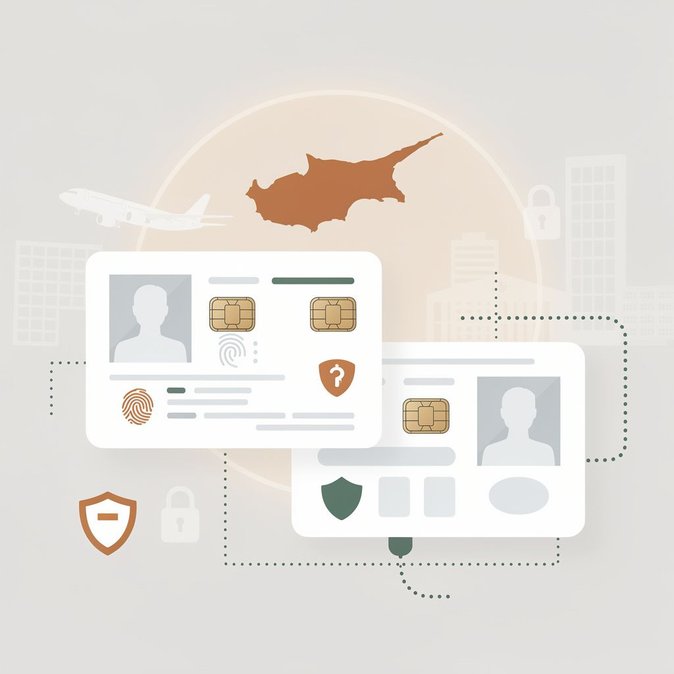
Cyprus’ Interior Ministry announced on 31 July that it will re-introduce parents’ names on the country’s new biometric identity cards—but only for citizens who want them. Holders will soon be able to choose between a card that lists the full names of both parents and one that omits them, after the European Commission confirmed that issuing parallel formats is permissible under EU Regulation 2019/1157 on secure travel documents. The compromise ends a months-long dispute that pitted data-protection advocates against politicians who argued that removing parents’ names undermined cultural norms and complicated cross-border paperwork such as university enrolment and child-benefit claims. The ministry said its external contractor has confirmed that producing two templates is technically feasible and is now drawing up an implementation schedule. Citizens who already received the stripped-down card will be allowed to exchange it free of charge at Citizens’ Service Centres once the re-design is ready. For travellers, Cyprus’ biometric ID remains a Schengen-compliant document that can be used in lieu of a passport within the EU and several neighbouring states. Including parents’ names could, in some jurisdictions, simplify checks where family lineage is required—such as Greece’s military-service registry or Jordan’s family-book system. Conversely, privacy-minded professionals may prefer the minimalist version when opening bank accounts or renting accommodation abroad, where excess personal data can increase the risk of identity theft. HR and global-mobility managers should update onboarding packs to reflect the dual-card option. Employees requesting a replacement card with parents’ names might face processing times of four to six weeks once the new system launches, so assignment schedules should be adjusted accordingly. Employers should also remind staff that ID cards issued before 2024 remain valid until their printed expiry date; early replacement is optional, not mandatory. The Interior Ministry’s move aligns Cyprus with practices in Belgium and Germany, which offer optional data fields on their e-IDs, but it also highlights the ongoing tension between EU-level document harmonisation and member-state discretion. Further guidance on how border guards will be trained to recognise both Cypriot formats is expected in an upcoming Frontex bulletin.
Source: Cyprus Mail