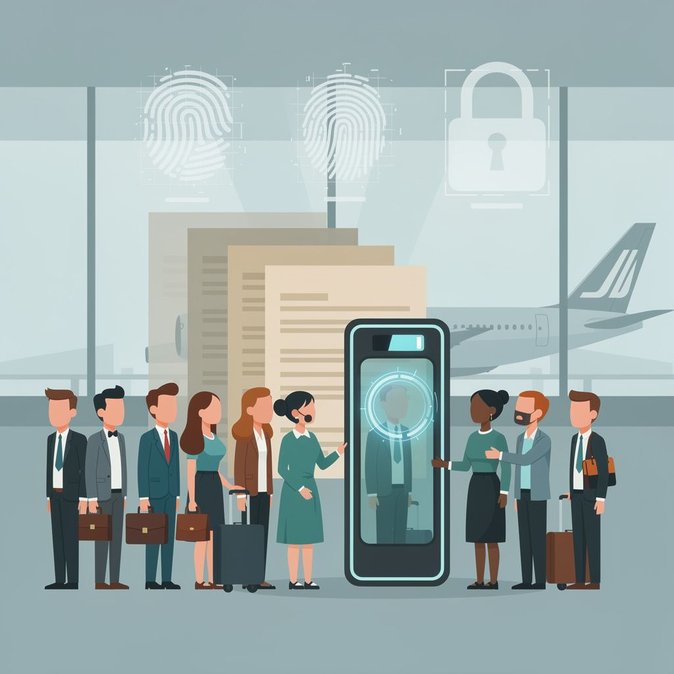
A technology-policy spotlight has landed on Toronto Pearson’s new biometric boarding gates after investigative reporting revealed they rely on Canada’s 2000-era Personal Information Protection and Electronic Documents Act (PIPEDA)—legislation that never envisioned large-scale facial recognition. Unlike Quebec, which requires formal notification and privacy-impact assessments for biometric deployments, federal rules for private-sector biometrics are limited to non-binding guidance from the Office of the Privacy Commissioner. Pearson therefore faces no statutory obligation to file an assessment or report demographic-bias testing results. Parliament’s attempt to modernise the law, Bill C-36, received first reading in June 2026 but has yet to progress. Until it passes, airlines and airport authorities can introduce facial verification systems nationwide with minimal oversight, provided they obtain passenger consent. Privacy lawyers warn this gap could erode traveller trust and expose operators to class-action liability if data are misused. Corporate mobility teams should monitor the legislative timetable: once new rules arrive, carriers may need to retrofit consent flows, retention schedules and algorithm-audit protocols, potentially causing brief service interruptions or requiring travellers to re-enrol. For now, companies that mandate biometric boarding for group travel should obtain explicit employee consent to stay on the right side of evolving compliance standards.
Source: Canada News Media