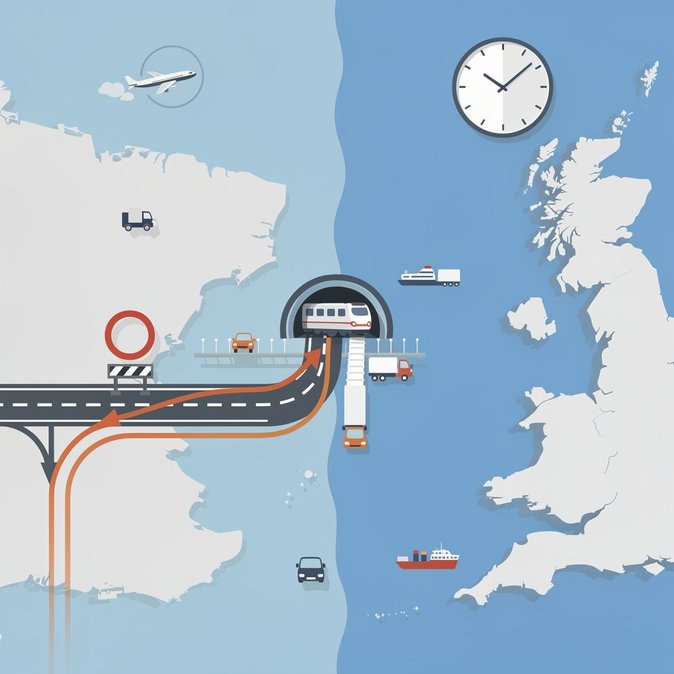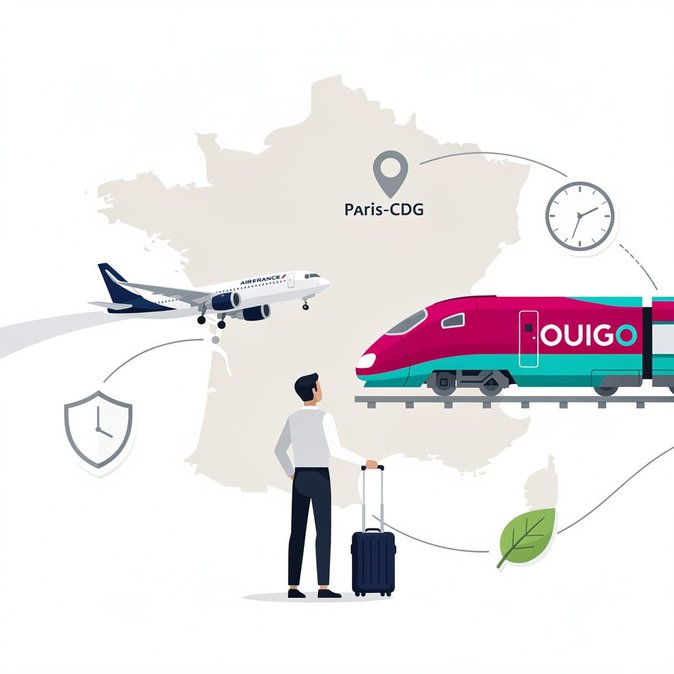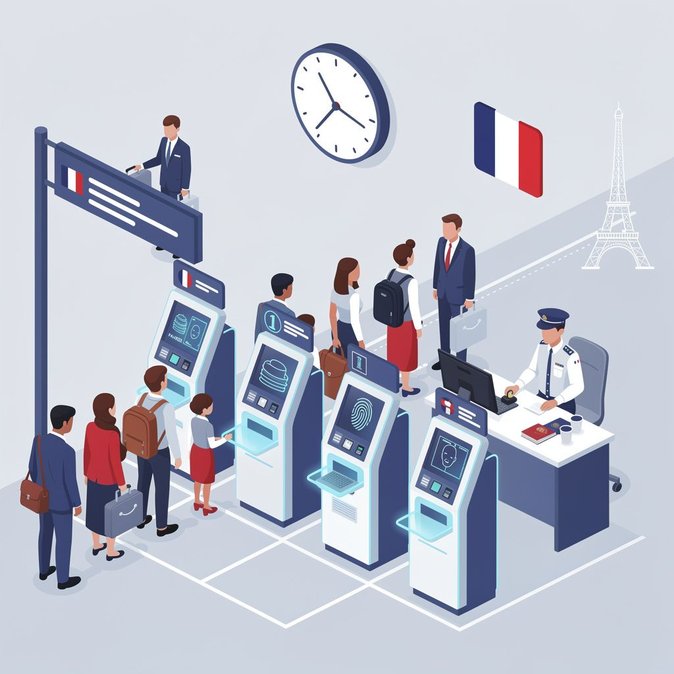
Independent analytics site EESQueue released its September snapshot on 21 September 2026, confirming that France remains among the Schengen states experiencing the longest biometric border waits five months after the Entry/Exit System (EES) went fully live. Crowd-sourced and operator-verified data place average entry queues at French hubs at roughly 75 minutes, with peaks exceeding two hours at Paris-Charles-de-Gaulle during recent Saturday morning arrivals. While France is one of six countries authorised by the EU to use ‘flex-mode’—allowing manual passport stamping when queues breach threshold times—the report notes that airlines and airports struggle to switch processes smoothly, leaving travellers in limbo between automated kiosks and manual booths. Business-class passengers benefit slightly from priority lanes, but mobility managers report missed rail connections and tight intra-EU meetings as a growing pain-point. The data also reveal that 76 of the 128 Schengen airports tracked have logged significant queue issues, underlining the continent-wide adaptation curve. The Interior Ministry told industry groups that additional kiosks will be installed at CDG and Lyon Saint-Exupéry by mid-October, and airlines have been asked to stagger early-morning wide-body arrivals. In the meantime, companies are advising travellers to allow at least three hours between landing and onward domestic rail or regional flights. For global mobility planners the takeaway is clear: build generous buffers into itineraries, pre-register fingerprints and facial images where airline apps allow, and remind long-stay visa or residence-permit holders to carry their cards—these categories are exempt from EES registration but may need to show proof to border police.
Source: EESQueue