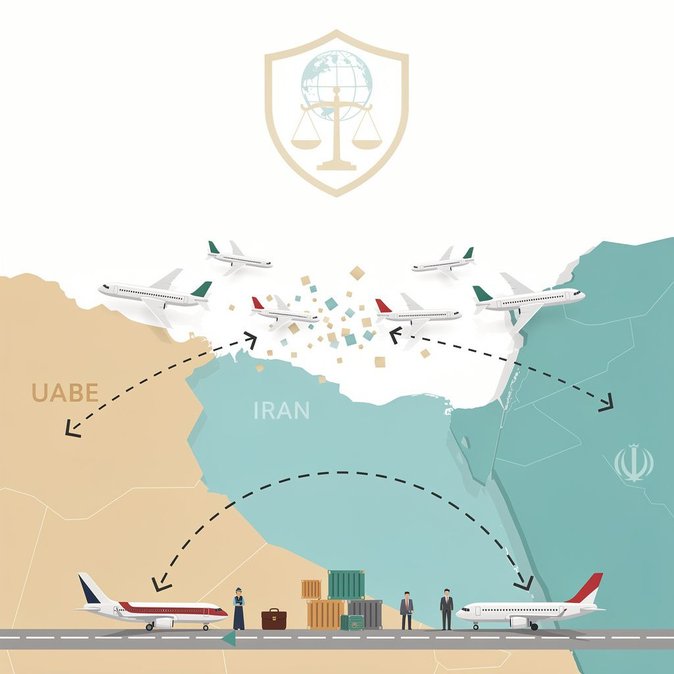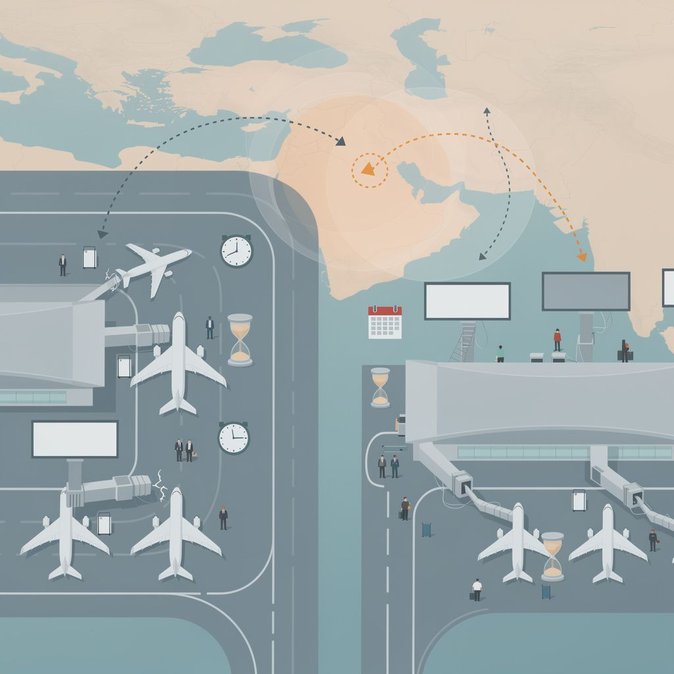
Hours before the GCAA’s suspension of Iranian carriers, passengers across Dubai International, Al Maktoum (DWC) and Abu Dhabi airports faced a cascade of delays and cancellations triggered by mounting Iran-related aviation restrictions. On 23 September alone, more than 60 departures and arrivals were delayed—some by eight hours—and at least 20 services were cancelled, including flights to Kozhikode, Kochi, Muscat, Tehran and Lahore. Major UAE carriers such as Emirates, Etihad, flydubai and Air Arabia were forced to retime operations as air-traffic-management slots tightened over the Strait of Hormuz. Several foreign airlines—including Air France and KLM—have extended their Dubai suspensions into mid-October, while European carriers like Lufthansa and SWISS plan only a cautious return from late October. The knock-on effect for business travellers is significant: visa start-dates, hotel bookings and meeting schedules are being repeatedly pushed back, and per-diem caps in mobility policies are being breached. Employers should leverage airline change-fee waivers and remind employees that UAE immigration rules allow a 10-day grace period on most visit visas, but fines apply thereafter. Travel-risk consultants also note that several governments—including the U.S., Australia and Canada—still rate the UAE at “reconsider travel” or “exercise a high degree of caution” because of possible regional escalation. Companies must therefore maintain real-time tracking of travellers and ensure emergency evacuation clauses cover airspace closures. While the National Centre of Meteorology expects calmer conditions next week, aviation analysts warn that slot scarcity will persist until regional geopolitics stabilise. Proactive re-routing (e.g., via Riyadh or Doha) and flexible work-from-anywhere policies can mitigate the impact on critical projects.
Source: Gulf News