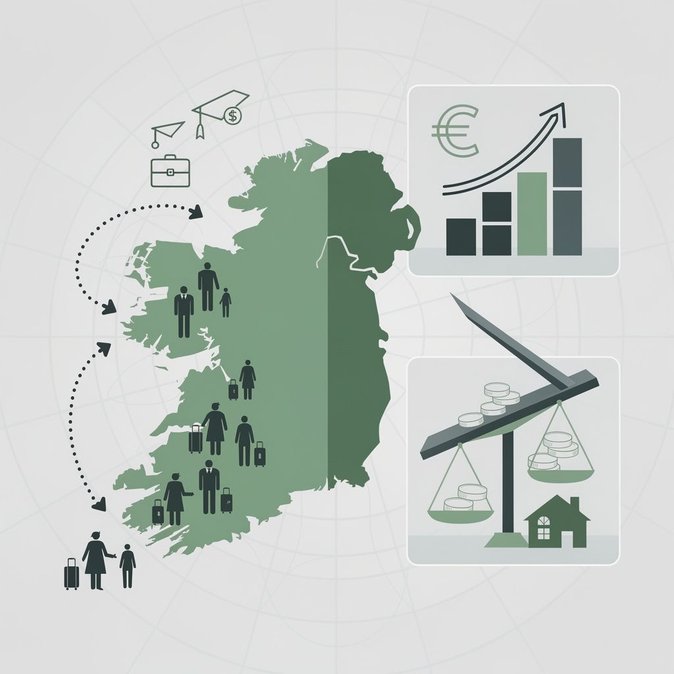
Writing in The Irish Times on 26 September, economist David McWilliams argues that Ireland’s social-protection architecture was designed for a relatively homogenous, slow-growing population and is ill-equipped for today’s migration-driven demographic boom. Net inward migration accounted for 72 per cent of last year’s population increase, pushing the Republic’s headcount to 5.53 million – its highest since the mid-19th century. McWilliams notes that low-paid migrants contribute less in progressive income-tax systems but draw the same flat-rate state pension as high earners. Using comparative fiscal modelling, he estimates that an immigrant household must earn at least €62,000 – and up to €95,000 where only one adult works – to be a net lifetime contributor under Ireland’s welfare regime. By contrast, the break-even salary in Germany is far lower because pensions there are earnings-linked. He contends that continued large-scale recruitment of low-skilled workers, particularly from cultures with low female labour-force participation, will impose an unsustainable burden unless Ireland reforms either its welfare promises or its migrant skills mix. Options include raising the pension contribution requirement, introducing tiered child-benefit payments, or pivoting immigration policy towards sectors with higher average wages. For global-mobility teams, the piece underscores the importance of monitoring potential policy shifts—from tightened eligibility for non-EU family reunification to higher salary thresholds for work permits. Employers may also face political pressure to invest more in up-skilling initiatives that lift migrant earnings trajectories. While presented as an opinion column, the article taps into an emerging consensus within the Department of Finance that the fiscal cost of immigration must be more transparently modelled ahead of Budget 2027. Companies dependent on large cohorts of entry-level international staff, such as hospitality and agri-food, should engage early in the consultation process to safeguard pipeline talent.
Source: The Irish Times
How VisaHQ can help
VisaHQ simplifies the visa application process for individuals and businesses. Check current travel requirements, prepare the required documents and manage your application online through the VisaHQ Ireland portal.More From Ireland
View all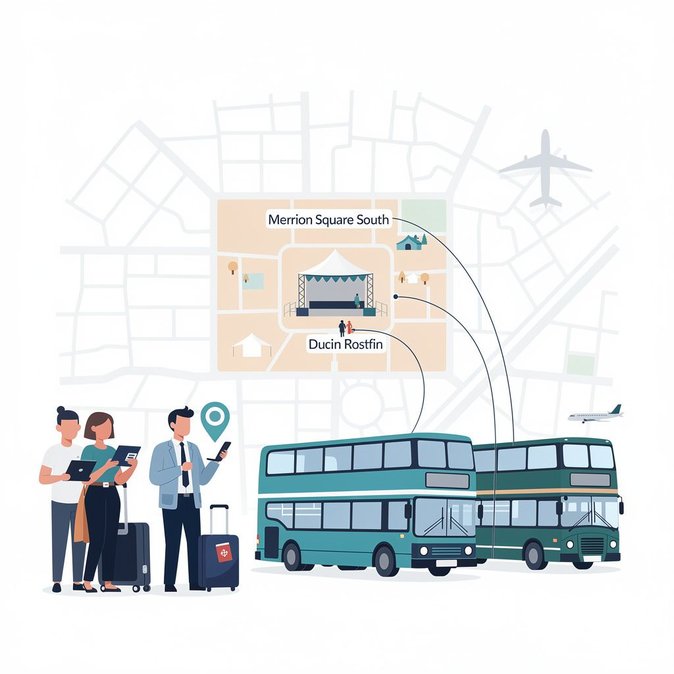
Dublin Bus diverts five key routes around Merrion Square South on 26 September
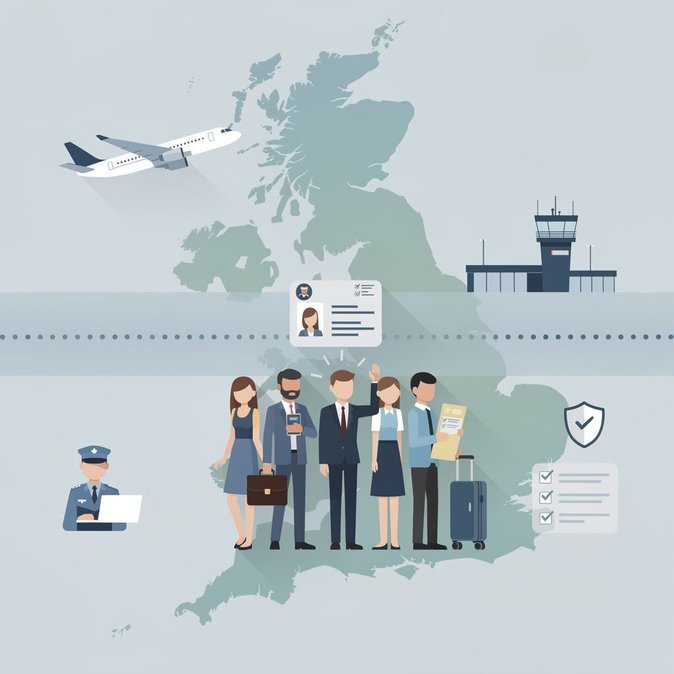
UK updates travel advice: new ID guidance for travel between UK and Ireland under the Common Travel Area