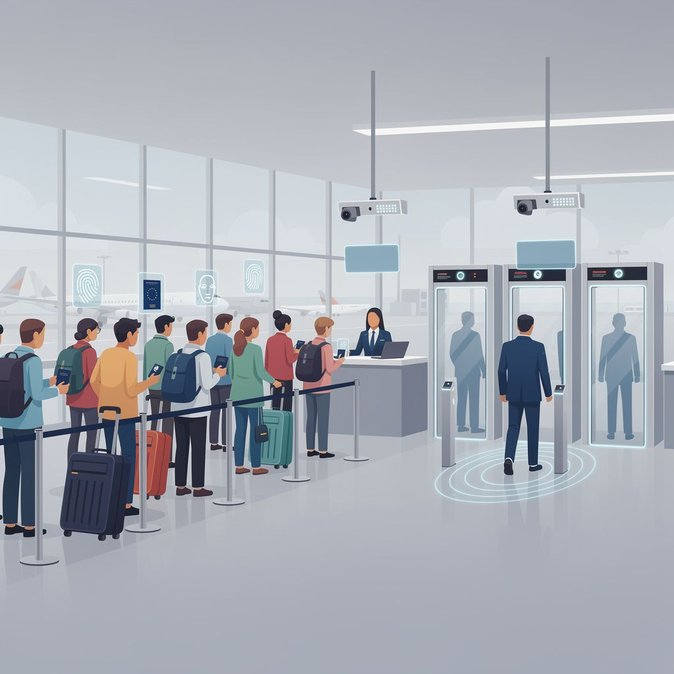
Zurich Airport (ZRH) has added a prominent banner to its passenger portal warning of “longer waiting times at border control” following the formal activation of the EU Entry/Exit System (EES) this week. Under EES, all non-EU/Schengen nationals must provide facial images and fingerprints the first time they enter the area, a process that takes 30–90 seconds per person. While Swiss and EU/EFTA citizens can still use e-gates or present their ID cards as before, the extra biometric step for third-country nationals is already creating bottlenecks in the arrivals halls during the morning long-haul wave from North America and Asia. Ground-handling agents report that some passengers miss onward rail connections because of the added queue time. For corporate mobility teams the change affects assignees on US and UK passports as well as executives from India, China and the Gulf states who do short-notice trips to Switzerland. Travel managers should advise travellers to schedule meetings at least two hours after scheduled landing and to pre-book Fast Track services where budgets allow. The Swiss Border Guard Corps is deploying additional staff during peak hours, but insiders say relief will only come once travellers have created their biometric “token” in the system, reducing subsequent processing to roughly 15 seconds. Airlines are therefore encouraging frequent travellers to choose the same passport each trip to avoid duplicate records. Zurich’s alert follows similar notices at Geneva and Basel-Mulhouse, suggesting a nationwide push to manage expectations ahead of the winter timetable change. The airport recommends that all departing passengers arrive at the terminal at the time indicated on their airline’s check-in reminder, not the previous one-hour guideline many road warriors still follow.