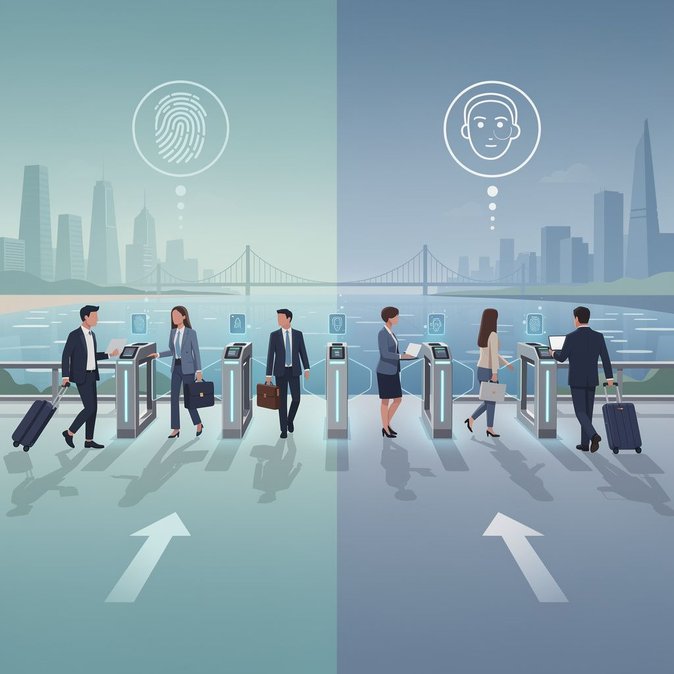
With just three days to go before Hong Kong’s first fully integrated land checkpoint comes online, Security Secretary Chris Tang revealed on 9 October that more than 160,000 Hongkongers have completed digital enrolment for the port’s new joint-clearance e-lanes. Speaking after an inspection of final works, Tang said the Government’s Emergency Monitoring & Support Centre will run 24/7 from Sunday night, while a high-level joint command post with Shenzhen authorities will coordinate crowd management, incident response and traffic diversion. The e-lanes use facial recognition and encrypted QR codes linked to each traveller’s Hong Kong ID or HKSAR passport. Once inside the sterile area, passengers immediately exit into Shenzhen without the need to queue a second time—a first for any of the six road crossings along the boundary. Shenzhen has matched Hong Kong’s investment by widening approach roads, doubling parking bays and installing ‘smart canopy’ walkways that display live wait times. Industry observers note that huanggang handled nearly 20 per cent of the pre-pandemic passenger throughput on the Hong Kong-Shenzhen land border, despite operating out of 1980s-era facilities. The new complex can process 200,000 passengers and 20,000 vehicles a day—capacity global mobility managers expect will be quickly absorbed as corporate shuttle services and cross-border e-commerce fleets shift operations. For businesses running assignment programmes between the two cities, the e-lane system promises significant time savings. A round-trip that previously involved two immigration stops and variable traffic can now be completed in under 40 minutes, making day-trip client visits far more feasible. HR teams should update travel policies to reflect the new port’s document requirements and remind expatriates that China-bound business visas still apply—automation does not change entry eligibility rules. Tang cautioned that, while the app-based registration takes under five minutes, users must ensure the on-phone facial-recognition scan matches live-capture images at the gate. Mobile signal black spots inside the port mean travellers should download their encrypted QR code beforehand. Frequent-traveller lanes for APEC Business Travel Card holders are slated for phase-two deployment in December, once bilateral testing is completed.
Source: South China Morning Post
How VisaHQ can help
VisaHQ simplifies the visa application process for individuals and businesses. Check current travel requirements, prepare the required documents and manage your application online through the VisaHQ Hong Kong portal.More From Hong Kong
View all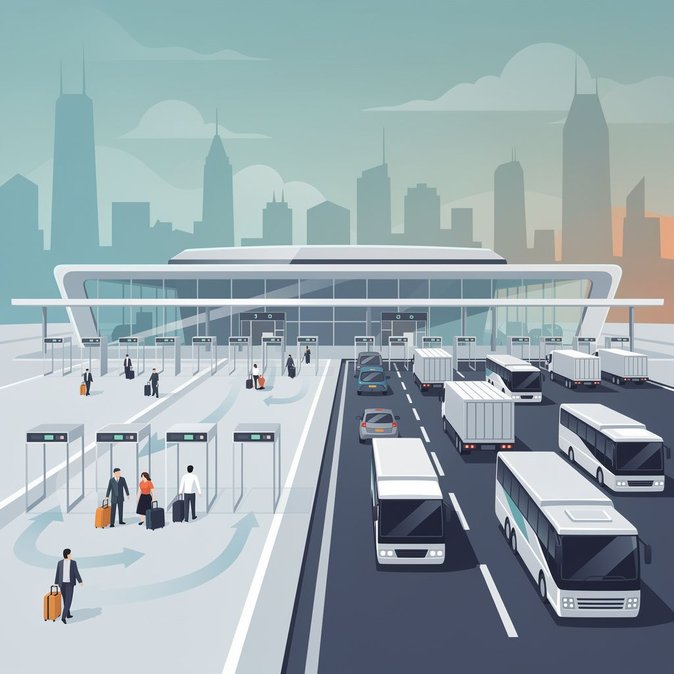
Opening ceremony set for Sunday as Hong Kong and Shenzhen prepare 24-hour launch of new Huanggang Port
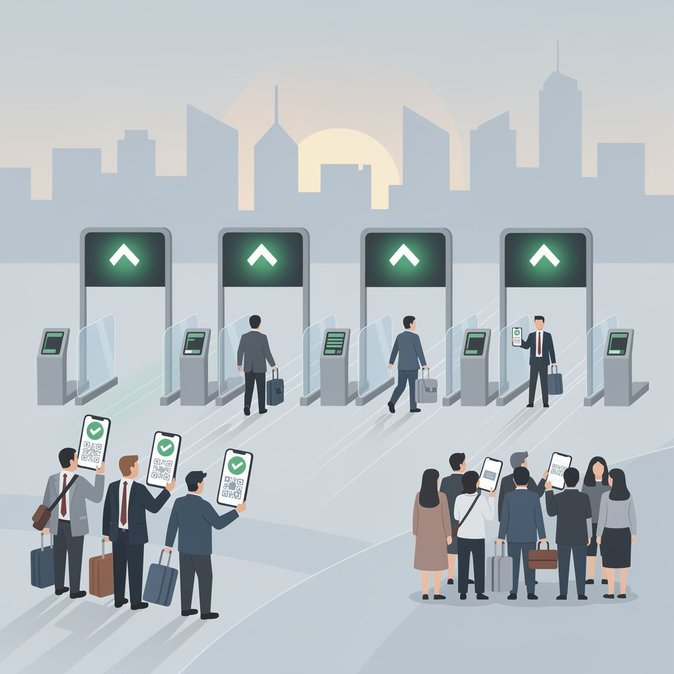
160,000 + Travellers Already Registered for Huanggang “Joint Inspection” e-Lanes, Immigration Department Urges More Sign-ups