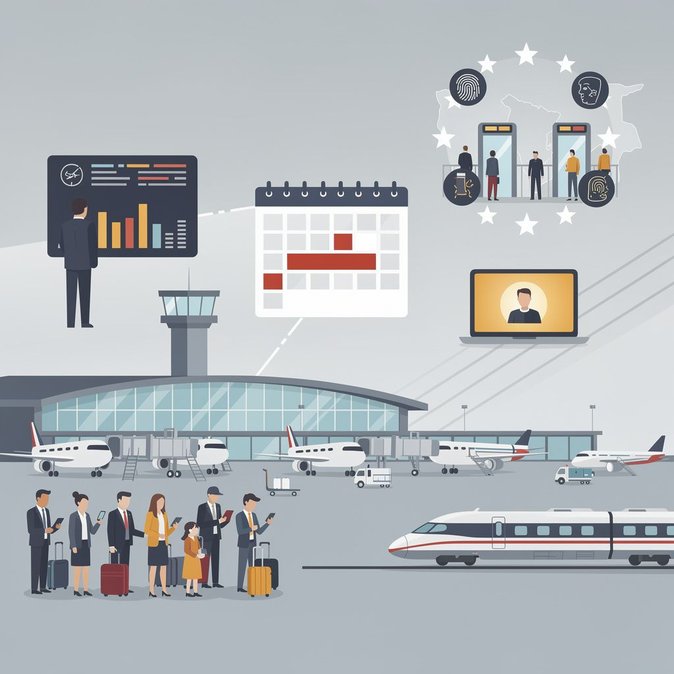
France is heading toward its most disruptive aviation stoppage in years after five cabin-crew and pilot unions (SNPL, UNSA-PNC, SNPNC-FO, SNGAF and UNAC) maintained a nationwide strike notice for 00:01 on Saturday 17 October through 23:59 Wednesday 21 October 2026. The walk-out covers more than 36,000 flight and cabin crew employed under French labour law, affecting flag-carrier Air France, its low-cost unit Transavia France, leisure airline Corsair, Volotea, and French-based crews of easyJet and other foreign airlines. Talks over pensions and the forthcoming January 2027 reform of the CRPN aviation retirement scheme collapsed late last week, leading unions to keep the notice in place even after a separate air-traffic-control strike was averted on 10 October. Because controllers will be working, French airspace will remain open; however airlines will have to cancel flights that cannot be crewed, creating sizeable—but still unpredictable—disruption. No carrier has yet filed an amended timetable, a tactic unions use to maximise pressure in the final days before a strike. The timing is awkward for corporates: the first weekend of France’s two-week Toussaint school holiday traditionally drives a spike in leisure and VFR (visiting-friends-and-relatives) traffic, squeezing seat availability on alternative routes. It will also be the first major holiday period under the EU Entry/Exit System (EES), which now replaces passport stamping with biometric registration for non-EU nationals, lengthening airport dwell times. Capacity shortfalls plus longer border formalities mean travellers should build extra buffers into itineraries and consider rail or road alternatives on the busiest legs (Paris–Lyon, Paris–Brussels, Paris–London). Under EU Regulation 261/2004, passengers retain the right to re-routing or refund and to meals and accommodation during long delays; cash compensation, however, may be exempt if a court deems the strike an ‘extraordinary circumstance’. Global mobility managers should therefore instruct employees to screenshot schedules, keep receipts and monitor airline apps closely from Friday 16 October, when carriers typically load adjusted rosters. From an immigration-compliance perspective, assignees whose visas or entry clearances depend on fixed-date travel should proactively contact consular providers: French authorities rarely issue automatic extensions for strike-related delays, but local préfectures can note ‘force majeure’ if travellers document cancelled flights. HR teams should also review posted-worker notifications and A1 social-security certificates that may lapse if arrival dates move beyond their validity windows.