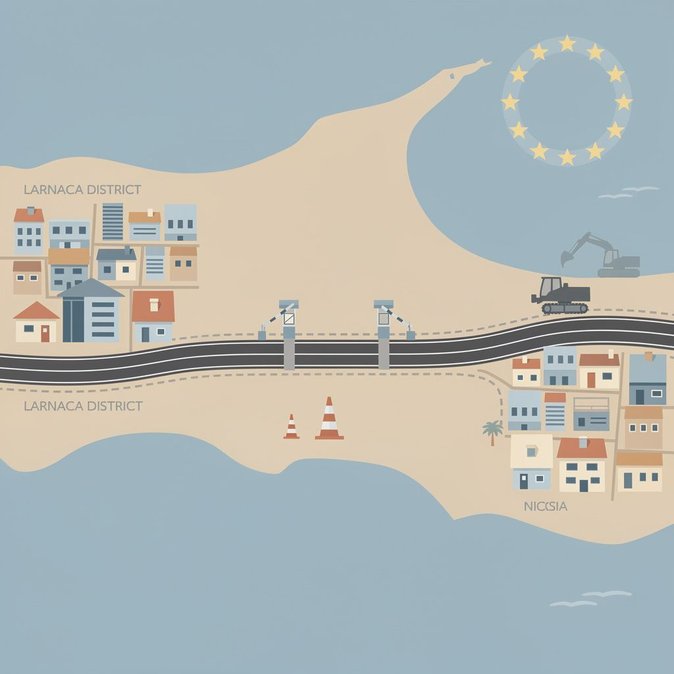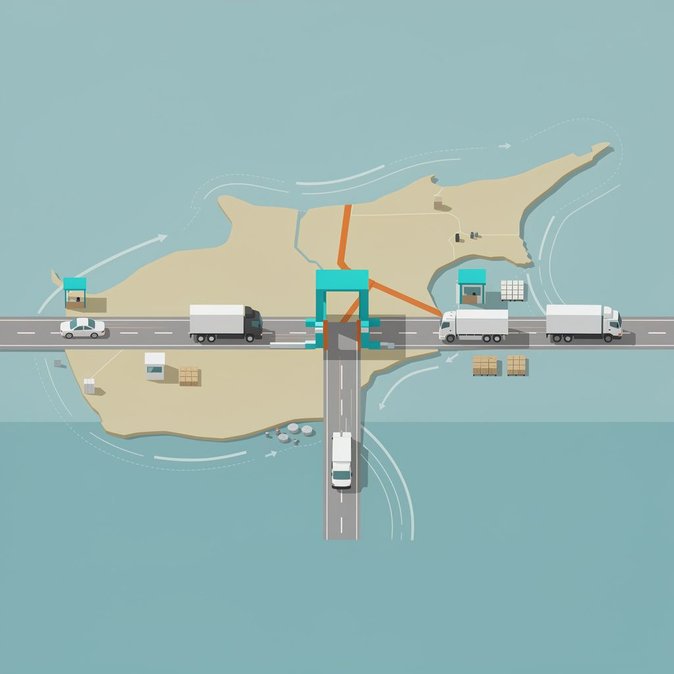
Greek-Cypriot negotiator Menelaos Menelaou told state broadcaster CyBC on 21 October 2026 that the long-debated Pyroi crossing point near Athienou is now technically agreed, eliminating a key obstacle to expanding civilian movement across the UN-controlled buffer zone. The breakthrough follows months of wrangling over road routing and security arrangements and was confirmed one day after President Nikos Christodoulides met Turkish-Cypriot leader Tufan Erhurman in Nicosia. Under the 2025 Geneva confidence-building package, each side proposed two new crossings to complement the existing nine. Pyroi (Greek-Cypriot proposal) and Louroujina – Lympia (Turkish-Cypriot proposal) were to move forward in tandem, but disagreements over which pair would open first stalled implementation. Menelaou said the routing question for Pyroi “has been overcome,” but that Erhurman now insists the deal must also include Louroujina—an area the Greek-Cypriot side links to security concerns—before construction can begin. For businesses and commuters, an operational Pyroi gate would shorten road distance between south-eastern Nicosia district and Famagusta region by up to 35 kilometres, cutting travel times and easing congestion at the busy Strovilia/Deryneia checkpoint. Logistics firms moving goods under the Green Line Regulation, as well as cross-border workers in manufacturing and agriculture, stand to benefit most. Diplomats view the partial agreement as a litmus test for wider UN-facilitated talks expected later this year. Should the sides finalise the gap on Louroujina, tendering for infrastructure could commence in early 2027 with EU funding earmarked for confidence-building measures. Until then, companies planning supply-chain adjustments should treat the announcement as a positive signal but maintain contingency routings via existing checkpoints.
Source: Cyprus Mail