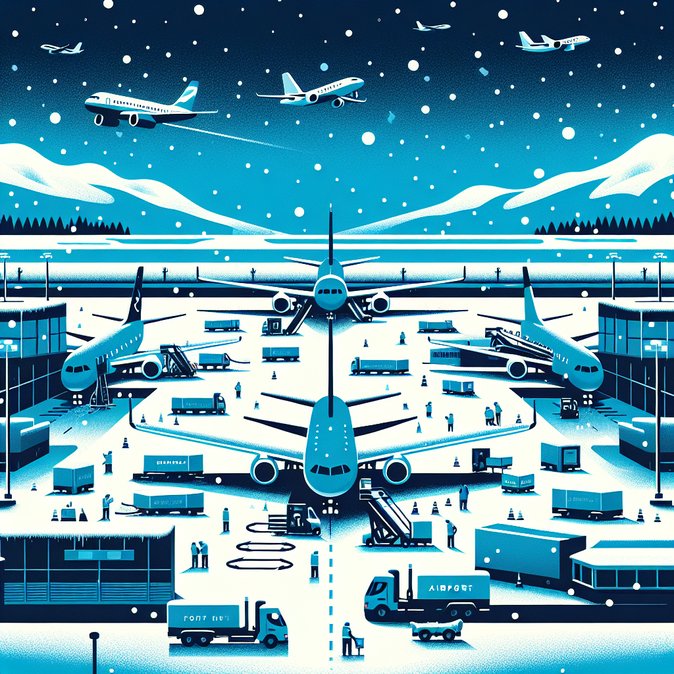
Temperatures plunged below –10 °C on the Swiss Plateau overnight, forcing Zürich Airport’s Swissport crews to perform more than 100 aircraft spray-downs before dawn on 8 January—three times the seasonal average. Since October, 1,700 de-icings have been logged, yet management admits the current cold snap is the winter’s most intense.
Each basic treatment takes four minutes, but a snow-covered wing can stretch the process to half an hour, pushing outbound banks toward the 23:00 night-curfew. Flughafen Zürich AG says “operations are stable for now,” but exceptional late-night departures may be authorised if long-haul waves fall behind schedule. Flag-carrier SWISS and partner Lufthansa have activated bad-weather ‘waiver’ policies that allow free re-booking within the same cabin when a delay exceeds two hours.
![Deep-Freeze Forces Zürich Airport to Triple De-Icing Ops, Threatening Punctuality Window]()
For business-travel planners the key risk is missed intercontinental connections. North-America-bound red-eyes rely on punctual evening slots; if crews ‘time-out’ under EASA duty rules, departures slip to the next day and travellers can lose a full work cycle. Global-mobility teams should therefore avoid tight layovers in Frankfurt, Munich and Vienna—airports hit by the same Arctic airmass.
Cargo stakeholders are equally nervous. Pharma shippers warn that prolonged de-icing queues can jeopardise passive cold-chain packaging. Several have switched to active containers or rerouted sensitive consignments through Milan-Malpensa, where temperatures are marginally higher. Meanwhile, travel-risk providers have upgraded Zürich’s operational status from ‘green’ to ‘amber’, advising executives to hold virtual meetings where possible.
Weather models show a slight thaw after 10 January, but airports must survive another 48 hours first. Companies should brief employees on rights under EU261 compensation rules and double-check that Schengen visas remain valid if unexpectedly rerouted via Paris or Amsterdam.
Each basic treatment takes four minutes, but a snow-covered wing can stretch the process to half an hour, pushing outbound banks toward the 23:00 night-curfew. Flughafen Zürich AG says “operations are stable for now,” but exceptional late-night departures may be authorised if long-haul waves fall behind schedule. Flag-carrier SWISS and partner Lufthansa have activated bad-weather ‘waiver’ policies that allow free re-booking within the same cabin when a delay exceeds two hours.
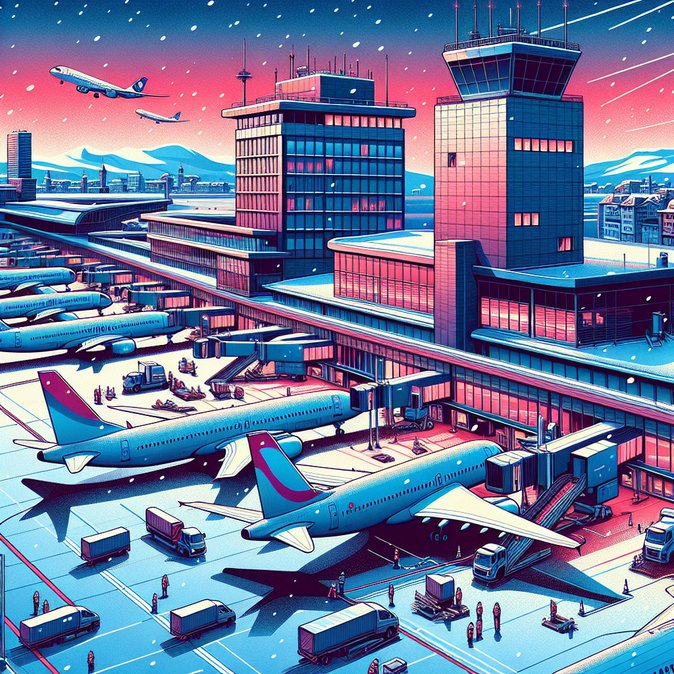
For business-travel planners the key risk is missed intercontinental connections. North-America-bound red-eyes rely on punctual evening slots; if crews ‘time-out’ under EASA duty rules, departures slip to the next day and travellers can lose a full work cycle. Global-mobility teams should therefore avoid tight layovers in Frankfurt, Munich and Vienna—airports hit by the same Arctic airmass.
Cargo stakeholders are equally nervous. Pharma shippers warn that prolonged de-icing queues can jeopardise passive cold-chain packaging. Several have switched to active containers or rerouted sensitive consignments through Milan-Malpensa, where temperatures are marginally higher. Meanwhile, travel-risk providers have upgraded Zürich’s operational status from ‘green’ to ‘amber’, advising executives to hold virtual meetings where possible.
Weather models show a slight thaw after 10 January, but airports must survive another 48 hours first. Companies should brief employees on rights under EU261 compensation rules and double-check that Schengen visas remain valid if unexpectedly rerouted via Paris or Amsterdam.
Source: VisaHQ Global Mobility News