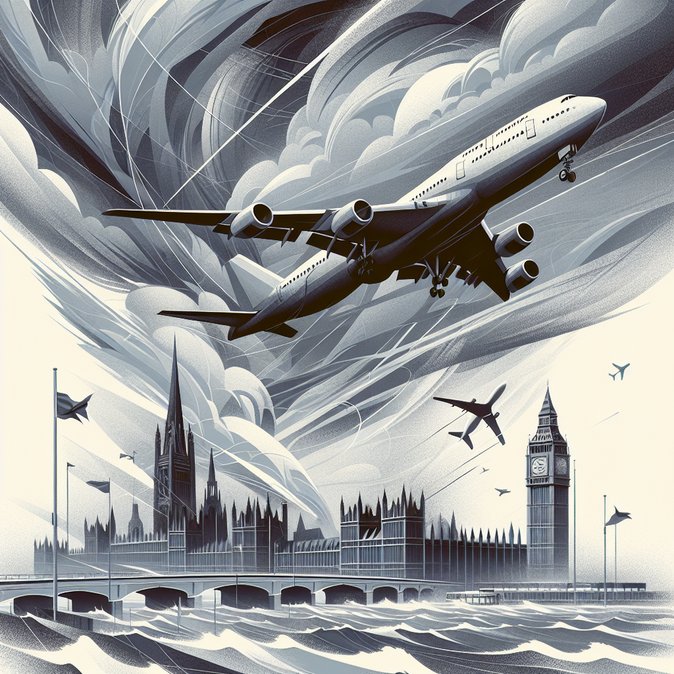
Storm-fringed cross-winds at Inverness forced British Airways flight BA1420 to execute a go-around on 19 January before the captain elected to return to Heathrow, turning a 90-minute hop into a three-hour odyssey. All 124 passengers remained on board for the entire round-trip; BA rebooked most onto the following morning’s service and offered hotel vouchers, but several oil-and-gas engineers heading to offshore crew-changes missed contracted handovers.(thescottishsun.co.uk)
The incident illustrates a winter pattern: Inverness, Aberdeen and Stornoway airports sit at the limits of Airbus A320 cross-wind envelopes, and diversions have risen 18 percent year-on-year according to Civil Aviation Authority data. Operators are reviewing whether smaller A220 or Embraer equipment with better short-field performance could lower disruption.
![Weather diverts Heathrow–Inverness flight back to London, stranding corporate travellers]()
For mobility managers, the lesson is to flag northern Scotland itineraries during amber wind warnings and to retain flexible hotel and helicopter-charter bookings. Travellers should also check that delayed-departure insurance covers same-day returns that effectively become cancellations.
BA says safety was never compromised and thanked customers “for their patience amid challenging weather”. Nevertheless, EU261 (now retained U.K. law) compensation is unlikely because the diversion was attributed to extraordinary circumstances.
The incident illustrates a winter pattern: Inverness, Aberdeen and Stornoway airports sit at the limits of Airbus A320 cross-wind envelopes, and diversions have risen 18 percent year-on-year according to Civil Aviation Authority data. Operators are reviewing whether smaller A220 or Embraer equipment with better short-field performance could lower disruption.
For mobility managers, the lesson is to flag northern Scotland itineraries during amber wind warnings and to retain flexible hotel and helicopter-charter bookings. Travellers should also check that delayed-departure insurance covers same-day returns that effectively become cancellations.
BA says safety was never compromised and thanked customers “for their patience amid challenging weather”. Nevertheless, EU261 (now retained U.K. law) compensation is unlikely because the diversion was attributed to extraordinary circumstances.