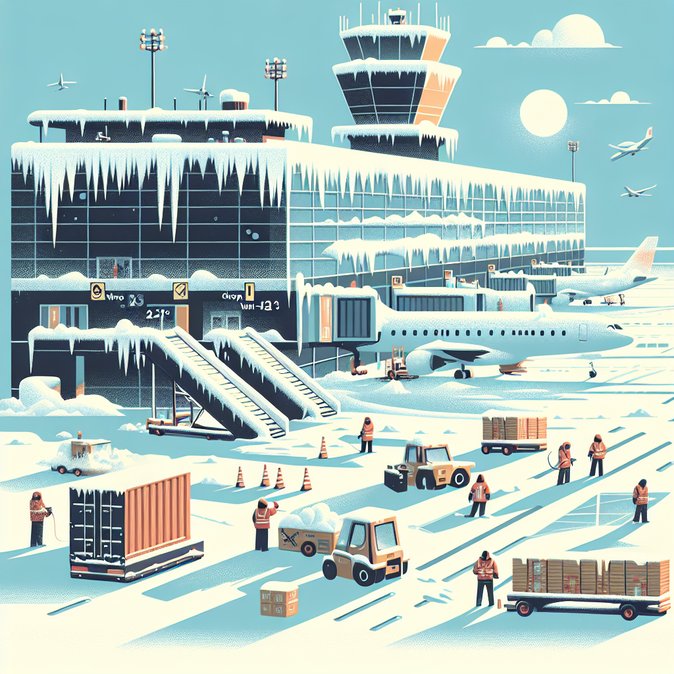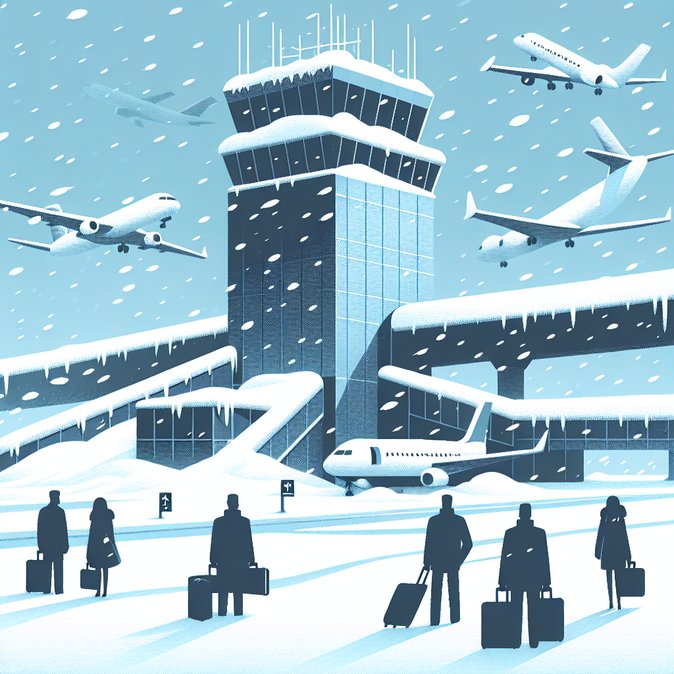
A brutal Arctic front sent temperatures plunging to –22 °C in central Poland on 26 January 2026, forcing Warsaw Chopin Airport to throttle runway movements and triggering hours-long delays across Europe’s corporate-travel network. According to passenger-rights specialist AirHelp, the airport’s single operational runway (the parallel strip is closed for lighting upgrades) could handle barely half its usual capacity as de-icing crews struggled to keep pace.
Flag-carrier LOT pre-emptively cancelled nine domestic rotations and delayed 18 intra-European services, while Wizz Air and Ryanair warned of rolling three-hour holdups. Rail operators recorded a spike in last-minute first-class bookings as multinationals rerouted executives to Berlin and Kraków. Freight forwarders reported temperature-sensitive pharmaceuticals and auto components stuck in belly-hold warehouses, underscoring supply-chain knock-on effects when Poland’s busiest hub slows down.
![Arctic Cold Snap Disrupts Business Travel at Warsaw Chopin Airport]()
Under EU 261 rules, airlines need not pay cash compensation for weather-related disruption, but they must still provide meals, refreshments and—if the delay surpasses overnight cut-offs—hotel rooms. Mobility managers are therefore urged to audit vendor contracts to ensure carriers fulfill care obligations, especially for assignees lacking local language skills.
With sub-zero temperatures forecast to persist, employers should advise travellers to build generous buffers into itineraries, use the airport’s live-status app and keep boarding passes for any later compensation claims. Remote-first meeting policies and contingency rail tickets remain best practice during Poland’s peak-winter volatility.
Flag-carrier LOT pre-emptively cancelled nine domestic rotations and delayed 18 intra-European services, while Wizz Air and Ryanair warned of rolling three-hour holdups. Rail operators recorded a spike in last-minute first-class bookings as multinationals rerouted executives to Berlin and Kraków. Freight forwarders reported temperature-sensitive pharmaceuticals and auto components stuck in belly-hold warehouses, underscoring supply-chain knock-on effects when Poland’s busiest hub slows down.

Under EU 261 rules, airlines need not pay cash compensation for weather-related disruption, but they must still provide meals, refreshments and—if the delay surpasses overnight cut-offs—hotel rooms. Mobility managers are therefore urged to audit vendor contracts to ensure carriers fulfill care obligations, especially for assignees lacking local language skills.
With sub-zero temperatures forecast to persist, employers should advise travellers to build generous buffers into itineraries, use the airport’s live-status app and keep boarding passes for any later compensation claims. Remote-first meeting policies and contingency rail tickets remain best practice during Poland’s peak-winter volatility.
Source: AirHelp