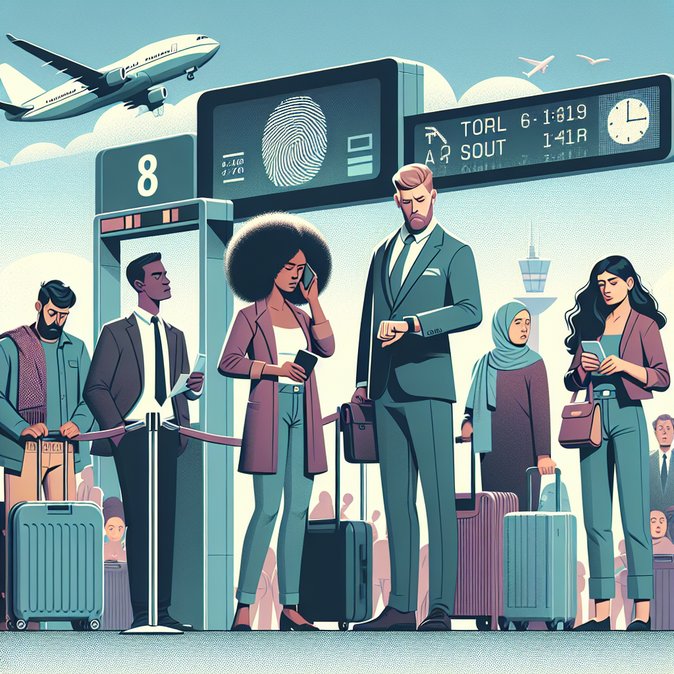
Hours-long queues, missed connections and malfunctioning kiosks have plagued the first weeks of the EU’s biometric Entry-Exit System (EES), according to hundreds of accounts collected by The Guardian. The system, which captures fingerprints and facial biometrics for all non-EU arrivals, became mandatory on 10 April. British nationals—now ‘third-country’ visitors—must register the first time they enter Schengen. Travellers described three-hour waits at Copenhagen and Málaga, while one pregnant passenger endured a four-hour arrival hold in Pisa with no seating or water. Missed flights have immediate cost implications: one IT manager spent over £2,000 on re-routing via Stansted after missing his Copenhagen-Heathrow leg. Business-travel insurers say EES delays may not be covered because they are classed as “border-control issues,” leaving companies to pick up re-booking costs. Airlines warn that summer traffic could worsen bottlenecks unless member-state staffing levels rise. The UK government, meanwhile, has declined to reciprocate biometric exit controls, arguing that its ETA programme already provides advance data; carriers fear the resulting asymmetry could confuse passengers. Practical tip: brief employees to allow extra connection time, keep boarding passes handy for re-enrolment and consider routing via airports such as Dublin—outside Schengen—where EES does not apply.
Source: The Guardian