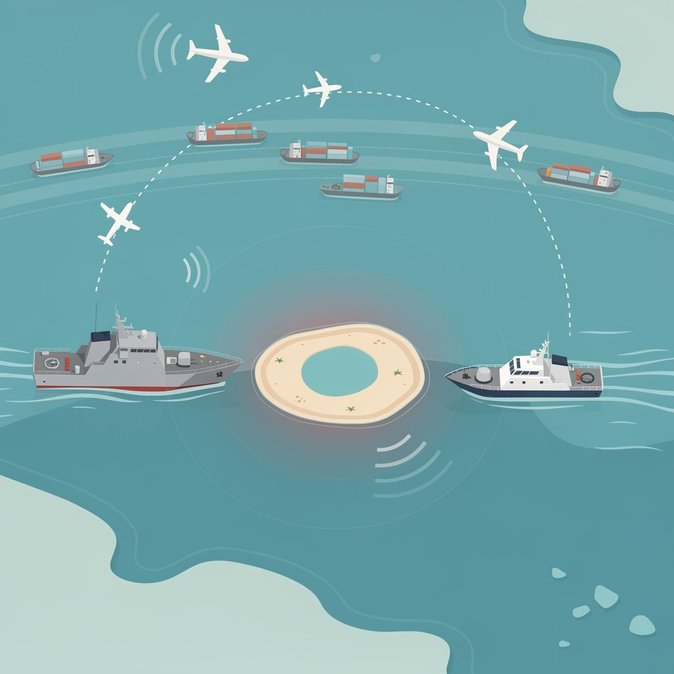
China’s Coast Guard says it ‘tracked and drove away’ two Philippine government vessels it claims had intruded into waters near Huangyan Dao (Scarborough Shoal) on Thursday, marking the second clash in the South China Sea this week. Manila alleges a Chinese vessel fired a water cannon that indirectly struck a fisheries boat; Beijing insists its actions were “professional, standard-compliant and lawful.” The incident follows Monday’s baton confrontation at Second Thomas Shoal, underscoring escalating tensions along key maritime routes used by energy suppliers, project cargo vessels and cruise lines repositioning between Southeast Asian ports. Washington weighed in, with Secretary of State Marco Rubio calling Beijing’s behaviour “dangerous and provocative” while reaffirming the U.S.–Philippines Mutual Defense Treaty. For companies moving personnel or equipment by sea between China’s southern ports and the Philippines, the renewed standoff increases the likelihood of ad-hoc Coast Guard inspections and could prompt insurers to raise war-risk surcharges. Cruise operators have already begun contingency planning to re-route itineraries away from the shoal, and oil-and-gas firms with offshore survey campaigns have issued revised safety advisories to contractor crews. Travel managers with rotational staff transiting Manila or Clark to Chinese worksites should monitor potential flight disruptions if the diplomatic row deepens. During a similar flare-up in 2024, Philippine authorities temporarily restricted military-chartered flights through certain air corridors. While no formal travel advisories have been issued yet, risk departments should review maritime security briefings, ensure seafarers’ contracts include diversion clauses, and confirm that Kidnap-and-Ransom insurance remains valid for disputed-waters transits.
Source: Reuters via Internazionale