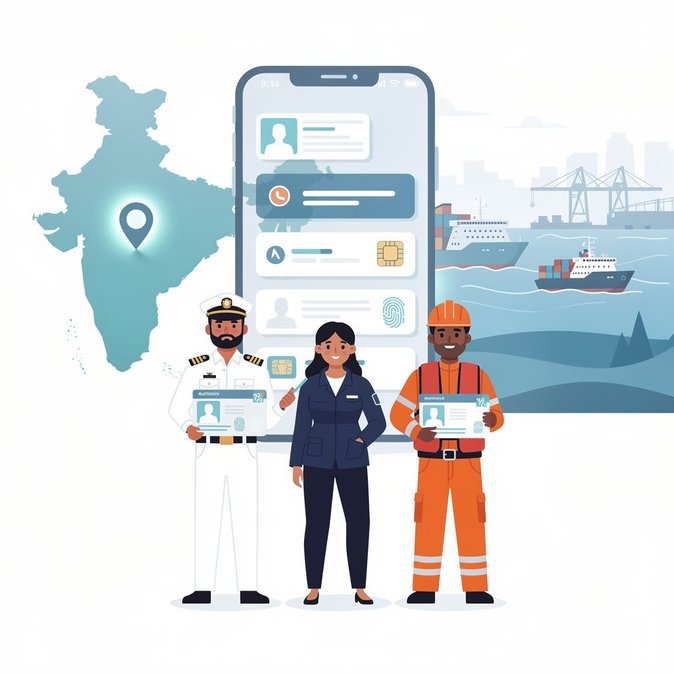
India’s Directorate General of Shipping (DGS) quietly refreshed its guidance on the Biometric Seafarer’s Identity Document (BSID) portal on 24 July, signalling a push to accelerate smart-card uptake ahead of the peak crew-change season in September. The BSID, compliant with ILO Convention 185, has been available since 2019 but take-up stalled at around 400,000 cards—well below India’s active seafarer pool of 750,000. The revised webpage clarifies eligibility (any Indian with a valid Continuous Discharge Certificate and passport), details a 10-step online application process and introduces a new payment gateway that accepts UPI and international cards. Notably, applicants can now reschedule biometric appointments at the nine collection centres up to two additional times without forfeiting the ₹300 fee, a concession aimed at contract crew who often receive last-minute shipping orders. DGS has also shortened card dispatch time to two working days after biometrics capture and partnered with India Post for tracked delivery nationwide. For maritime crewing agencies and oil-and-gas majors operating floating assets, the update reduces vessel dry-dock delays caused by mismatched port-state ID requirements. Ports such as Singapore and Rotterdam increasingly demand ILO-185-compliant IDs for shore passes; crew carrying only paper CDCs risk being confined to ship or facing expensive escort fees. Employers should audit crew documentation and schedule BSID appointments at least four weeks before international deployment. The DGS has hinted at stricter exit-control enforcement from October, when immigration officers will cross-check SID QR codes against the e-Navik database.
Source: Directorate General of Shipping