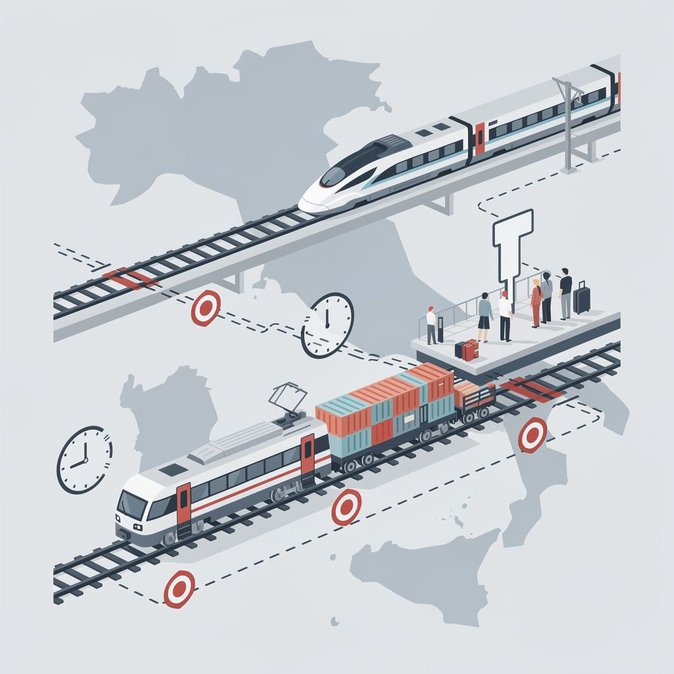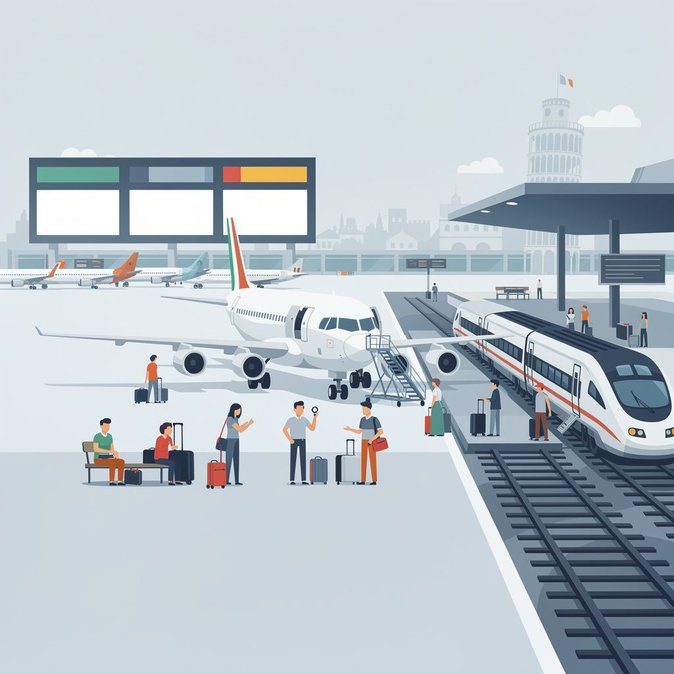
Italian travellers experienced a fresh wave of aviation turmoil as a 24-hour strike by ground-handling staff, air-traffic technicians and selected low-cost carrier crews rippled through major airports on 24 July 2026. The protest—part of a broader transport strike week—was coordinated by USB Lavoro Privato, CUB Trasporti and smaller sectoral unions after stalled talks over the long-expired national handling contract and staffing levels. Operating programmes at Milan Malpensa and Linate were cut by some 80 flights, Venice lost 65 rotations and Florence saw half of its schedule scrapped, according to data released by the unions. EasyJet crews represented by USP staged a full walk-out, while Ryanair and Volotea experienced isolated “stop-and-go” actions from baggage staff that created rolling delays. ITA Airways pre-emptively cancelled 30 domestic sectors and deployed a re-booking task force to protect long-haul connections. ENAC, the civil-aviation regulator, reminded carriers of the obligation to operate services in the protected windows 07:00-10:00 and 18:00-21:00. Nevertheless, knock-on congestion was felt well outside those bands as aircraft and crews rotated late. Business travellers heading to Rome for same-day meetings reported journey times of up to six hours after being funnelled onto high-speed trains already thinned by the parallel rail strike. For global mobility planners the episode illustrates a perfect storm scenario: simultaneous industrial action in the air and rail sectors can wipe out redundancies in the Italian domestic network. Companies with time-critical mobility—executive site inspections, A1/ICT residence-permit appointments, or factory-start-up teams—should maintain live monitoring of strike notices, encourage staff to travel the day before, and ensure duty-of-care providers can push SMS alerts in real time. Although the walk-out ended at midnight, unions warn of further action in September if negotiations do not progress. Employers with large assignee populations transiting through Milan, Venice or Bologna during peak season may wish to build flexible air-rail-car travel chains and budget for premium hotel nights near hub airports.