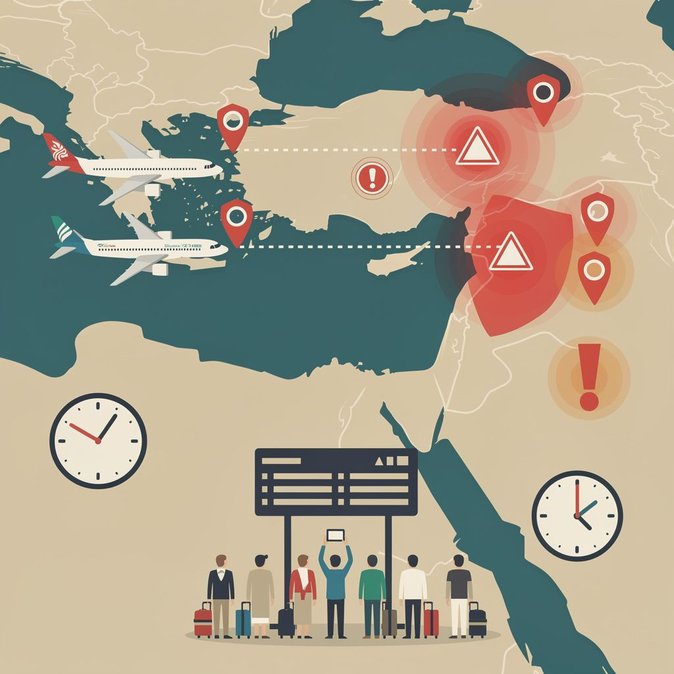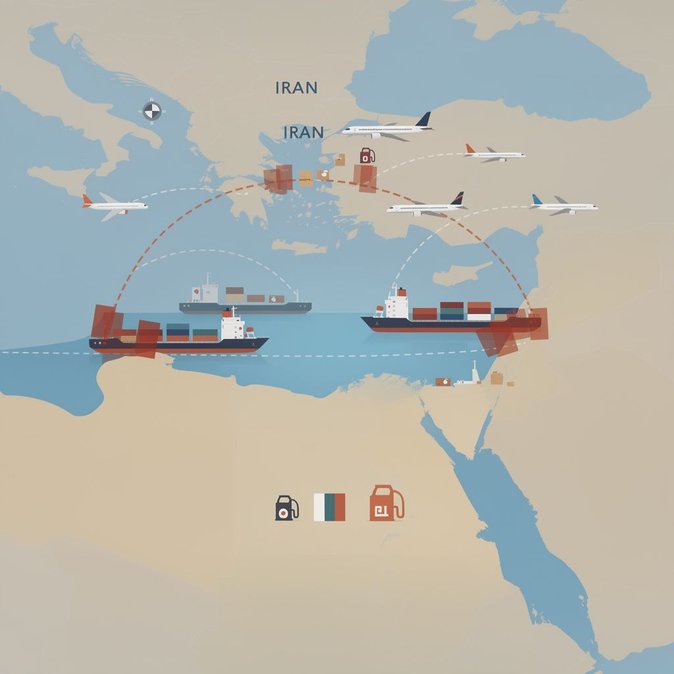
Tehran on 2 August dismissed US President Donald Trump’s claim that Iran had agreed to fully reopen the Strait of Hormuz in exchange for a pause in air-strikes, fuelling uncertainty for Gulf aviation and shipping. Gulf News analysed the repercussions for UAE residents, warning that the waterway remains effectively closed to commercial transits without prior Iranian clearance, while selected air corridors continue to attract elevated insurance premiums. The rejection came amid parallel diplomacy led by Saudi Arabia, Pakistan and Turkey, and an OPEC+ decision to raise September output by 188,000 b/d—moves that underline the strait’s economic centrality. Maritime-analytics firm Kpler reports vessel traffic is down sharply since mid-July, forcing rerouting around the Gulf of Oman. Freight forwarders in Jebel Ali say spot container rates to Europe have risen 18 % in two weeks as carriers add bunker and war-risk surcharges. For UAE-bound passengers, the bigger headache is in the air. Emirates, Etihad and several foreign carriers have already cancelled or re-timed services to Kuwait, Bahrain and beyond; insurers may widen exclusion zones if hostilities flare. The US State Department continues to advise citizens in the UAE to prepare contingency exit plans, echoing corporate travel-risk consultants who recommend keeping at least a three-day buffer before critical meetings. Mobility teams with assignees transiting the Gulf should review emergency-evacuation provisions and confirm that shipping contracts include force-majeure clauses for delayed project cargo. Logistics managers might also explore Muscat’s discussions with Tehran on an alternate maritime “middle corridor,” which could offer limited relief if ratified. In the meantime, real-time intelligence—NOTAMs for flight routings and marine advisories for shipping—is essential. Stakeholders hope that Muscat’s mediation can still yield a workable compromise, but operational prudence is the order of the day.
Source: Gulf News