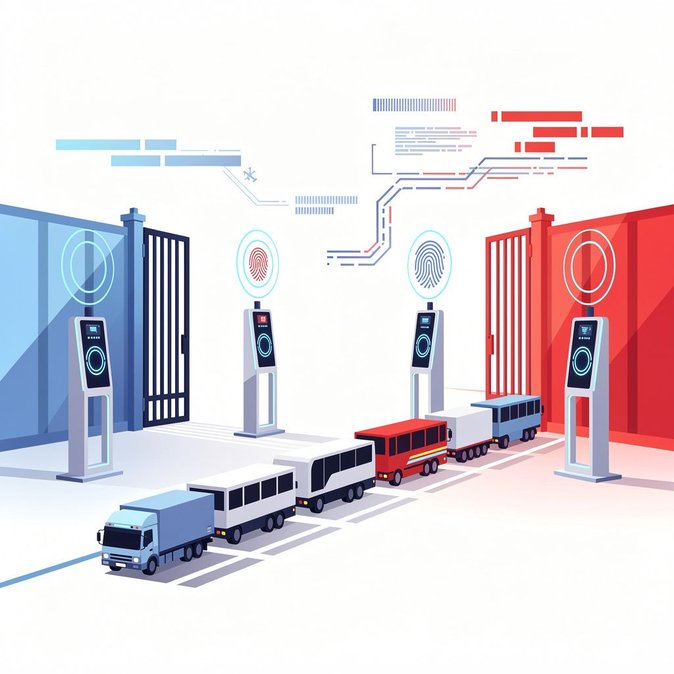
Drivers and coach operators who feared gridlock at the short Channel crossings can breathe a little easier: French and UK officials confirmed on 14 September that the introduction of full biometric controls for non-EU nationals at Dover, Folkestone and the Port of Calais will be pushed back for ‘at least several weeks’. The Entry/Exit System was supposed to apply to juxtaposed French controls on British soil from 7 September, but technical snags with mobile fingerprint readers and a shortage of trained staff led the Préfecture de Police to request more time. A leaked note seen by regional media suggests only one in three e-gates at Dover are currently able to read fingerprints reliably when passengers wear gloves or have minor cuts. Hauliers estimate that each additional 30-second transaction would lengthen peak-hour queues by up to 17 kilometres on the M20. "Another delay is frustrating, but the alternative was meltdown," said Rod McKenzie of Britain’s Road Haulage Association. Logistics companies with time-critical loads, such as fresh produce heading for Rungis market, had already drafted night-shift contingency plans. The French Interior Ministry insists the pause is temporary: new software patches are being tested this week and night-time drills will continue throughout September. Business-travel advisers recommend keeping passports handy even for coach trips that previously relied on group manifests; once EES goes live, every traveller will have to present themselves in person. Those who overstayed Schengen limits on earlier trips can expect automated refusals of entry.
Source: Yahoo News