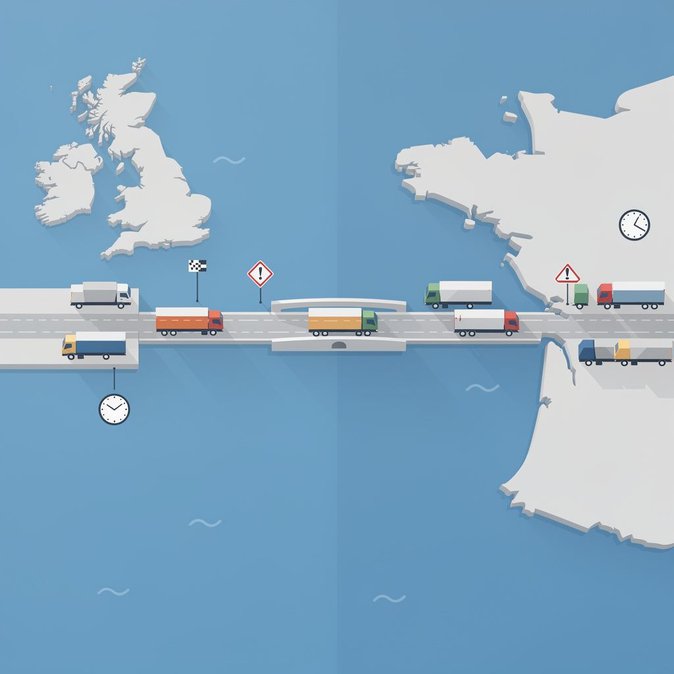
Real-time travel portal Promy24 reported a series of operational updates on 17 September indicating that earlier congestion at both Calais and Dover had eased, although freight drivers still faced buffer-zone queues of up to one hour at peak times. Eurotunnel confirmed that a technical incident in the tunnel earlier in the morning had been resolved, but crossing times were hovering around two to three hours in both directions, with only two trains per hour running at certain points. Ferry operator DFDS kept passenger sailings on schedule, yet freight check-in delays persisted because of post-Brexit border-control formalities and ongoing UK import-safety-and-security (S&S) checks. Logistics associations said the rolling disruption highlights how even a minor incident can ripple through the Channel supply chain now that carriers must clear both UK and French formalities before boarding. For corporate mobility managers the message is clear: assignees and project teams moving equipment between the UK and continental Europe should pad itineraries, use the Goods Vehicle Movement Service (GVMS) well in advance, and carry contingency documentation for sanitary-phytosanitary (SPS) goods. Relocation firms moving household effects through Dover are advising clients to schedule crossings during off-peak windows or consider alternative ports such as Harwich or Portsmouth. With Christmas-season freight volumes looming, both UK Border Force and French customs are under pressure to finalise the long-delayed ‘smart border’ expansion at Calais that promises to automate pre-lodgement checks. Until then, stakeholders expect a continued pattern of short-notice delays whenever incidents, weather or industrial action reduce capacity on either side of the Channel.
Source: Promy24 Ferry Disruption Tracker