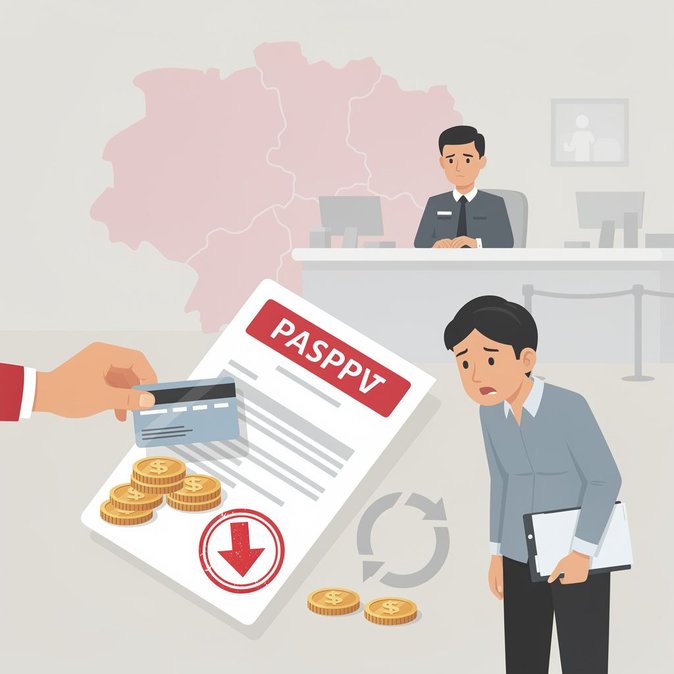
The Polish Office for Foreigners has published detailed guidance confirming that, as of 21 September 2026, stamp-duty fees paid when a foreign national files an application that is later refused—or when the proceedings are discontinued—will no longer be reimbursed. The clarification follows amendments to the Act on Foreigners and the Stamp Duty Act introduced earlier this year under the so-called “Phasing-out Act”. Until now, unsuccessful applicants could apply for a refund of fees that range from PLN 85 for a basic temporary-stay request to PLN 640 for an EU long-term resident permit. The new rules remove that possibility for applications submitted on or after 5 March 2026. The change also covers requests to extend Schengen or national visas and to issue a visa at the border. Refunds remain possible only for files lodged before the March cut-off date. For businesses that regularly move non-EU staff into Poland, the monetary impact is limited—fees are modest in corporate terms—but the procedural impact is significant. HR and global-mobility teams must now factor the lost refund option into cost projections and encourage assignees to submit fully documented applications the first time around. Incomplete filings that once carried little financial risk will now generate non-recoverable costs if rejected. Practitioners expect the change to accelerate the trend toward using Poland’s new MOS e-filing portal, where built-in validation helps reduce technical mistakes. It may also push companies to invest more heavily in pre-application reviews and professional representation, especially for complex work-permit conversions.
Source: Office for Foreigners (gov.pl)