CBSA to Shorten Hours at 26 Prairies–Pacific Land Crossings to Sync with U.S. Clock Change
Canada bans AI-generated personal evidence in immigration and refugee hearings
Air Canada Launches Embarq, a Free Business-Travel Platform for Canadian SMBs
Latest News

IRCC Clarifies Five-Year ‘Medical Re-use’ Rule for Permanent-Residence Applicants
On 9 October 2026 IRCC issued granular rules on when a previous immigration medical exam can be re-used for a permanent-residence application. Applicants who have remained in Canada since a panel exam taken within the last five years—allowing for trips under 30 days—may forgo a new medical, saving time and about CAD $300 per person. The policy, valid through 2029, streamlines Express Entry and PNP processing for in-Canada workers.

Manitoba Issues 340 Invitations in PNP Draw #281, Majority for Teachers and Early-Childhood Staff
Manitoba’s 8 October MPNP draw issued 340 provincial nomination invitations, 62 percent of them to in-province teachers and early-childhood workers. Lower EOI cut-offs and 103 Express Entry-linked invitations underline Manitoba’s push to shore up education and skilled-trade shortages via immigration.

Ontario rewards high earners with extra points under new Workforce Priority stream
Effective October 7, Ontario’s Workforce Priority stream now gives an extra 10 points to candidates who earned C$80,000 or more in any single recent tax year. The automatic score boost could reshape forthcoming OINP draws and helps Ontario court top earners.

Manitoba confirms time-change adjustment at 13 ports of entry
CBSA will modify opening and closing times at 13 Manitoba-U.S. border crossings from 1 November 2026 to keep hours aligned with American counterparts after Manitoba’s switch to permanent daylight time. Companies moving goods or staff by land should update schedules or use the 24-hour Emerson crossing to avoid delays.

Canada pivots toward graduate-level international students as total intake falls
IRCC data released October 9 show Canada is intentionally moving away from high-volume undergraduate intakes toward a smaller cohort of master’s and PhD students, who now make up over one-fifth of new study-permit holders. The pivot could benefit employers seeking advanced talent but squeeze lower-tier schools.
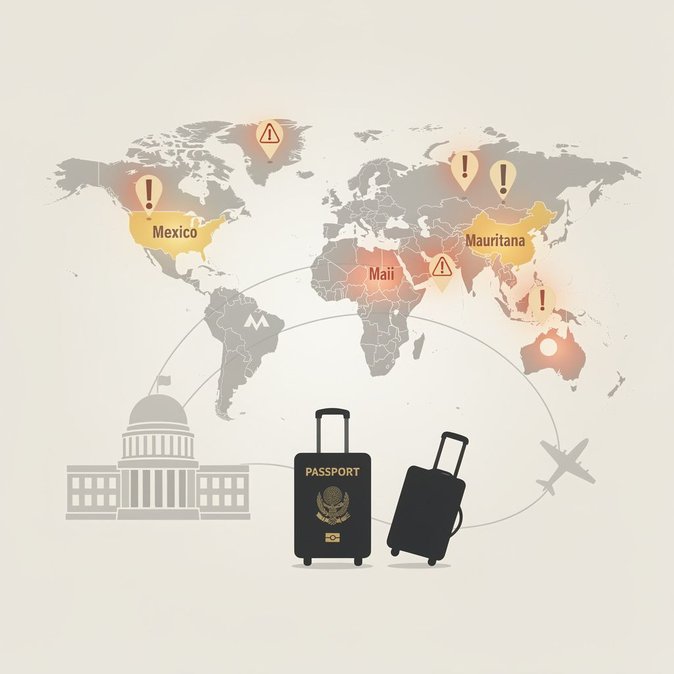
Global Affairs Canada issues cluster of advisory updates for ten ‘M’ and ‘P’ destinations
On 9 October 2026, Global Affairs Canada simultaneously updated travel-risk guidance for Mexico, Mali, Mauritania, Pakistan and six other destinations, raising caution levels in several cases. The revisions may void insurance for non-essential trips and require companies to review duty-of-care protocols for employees heading to higher-risk markets.

British Columbia Invites 283 Skilled Workers in Child-care, Health, Vet and Construction Streams
B.C.’s latest Skills Immigration draw invited 283 candidates across four priority occupation groups, with scores as low as 76 for health-care workers. Lower thresholds and regular draws give employers in child-care, health, construction and veterinary services a steady route to retain foreign talent despite the province’s smaller 2026 nomination quota.

CBSA Aligns Operating Hours at 26 Land Border Crossings With U.S. Time Changes
Starting 1 November 2026, the CBSA will shorten or shift hours at 26 small land crossings in BC, Alberta and Manitoba to stay in lock-step with neighbouring U.S. ports after the western provinces switch to permanent daylight-saving time. Logistics teams and travellers must verify the new schedules to avoid after-hours delays.

Immigration debate heats up ahead of Alberta’s October 19 referendum
A Calgary business report and university forum on October 9 intensified debate over immigration ahead of Alberta’s October 19 referendum. Business groups warn cuts would hurt growth, while referendum supporters seek more provincial control. Companies should monitor potential policy shifts but continue using federal processes for now.
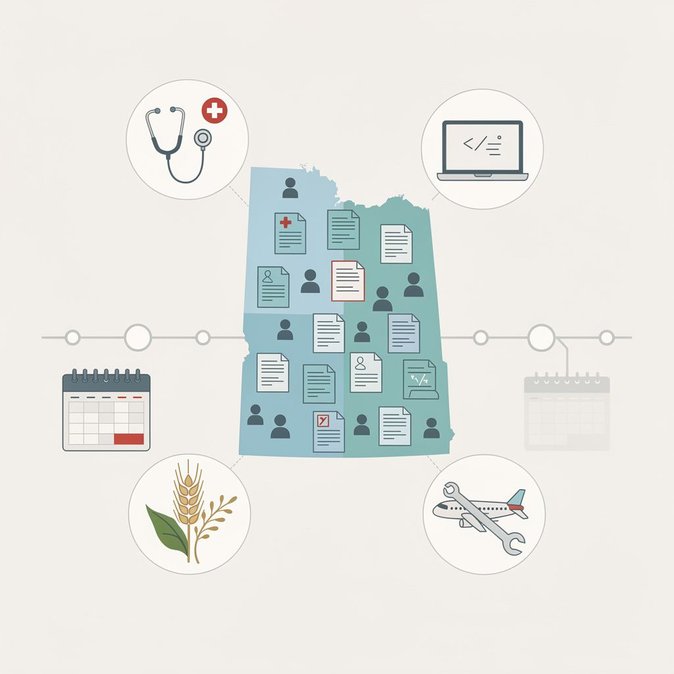
Alberta Issues 476 AAIP Invitations Across Four Draws, Nearing 2026 Quota Limit
Four AAIP draws between 24 September and 7 October yielded 476 invitations, absorbing almost all of Alberta’s 2026 nomination spaces. Healthcare, tech, agriculture and aviation maintenance dominated. Employers may face a nomination freeze until new federal quotas arrive in 2027.

British Columbia invites 115 construction-trade workers in latest “Build” priority draw
B.C.’s October 8 “Build” draw invited 115 construction-trade workers at a minimum score of 94, underscoring the province’s urgent need for talent in housing and infrastructure projects. Successful nominees move quickly toward permanent residence, offering employers a faster staffing route than federal work-permit streams.

Express Entry update: 2,733 invitations issued in back-to-back PNP and CEC rounds
IRCC confirmed on Oct 8 that Express Entry drew 733 PNP candidates (CRS 725) on Sept 28 and 2,000 CEC candidates (CRS 518) on Sept 29, for a two-day total of 2,733 invitations. The figures underline Ottawa’s strategy of alternating small PNP rounds with larger CEC draws and give employers a roadmap for positioning high-potential foreign staff.
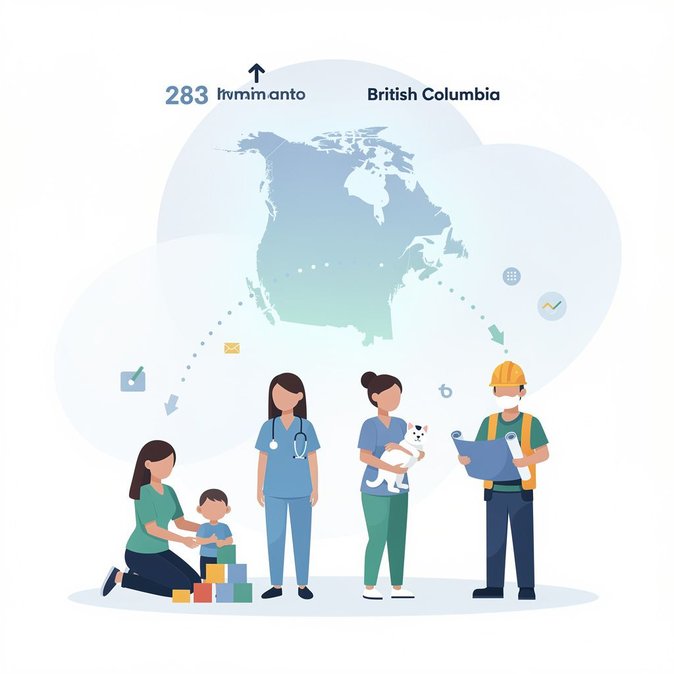
British Columbia invites 283 care and construction workers in targeted PNP draw
On October 8 British Columbia issued 283 provincial-nominee invitations to childcare, health-care, veterinary and construction workers, with score cut-offs between 76 and 99. The round gives eligible temporary workers a fast track to permanent residence and highlights where provincial labour shortages remain most acute.

Manitoba issues 294 invitations across Skilled Worker and Francophone streams
The Manitoba PNP conducted multiple draws on October 8, inviting 294 candidates, including 83 French speakers, through the Skilled Worker and strategic recruitment streams. The selections target key provincial shortages and provide employers with a quicker PR channel for critical hires.

Express Entry Issues 2,733 Invitations in Back-to-Back PNP and CEC Rounds
IRCC’s 28–29 September Express Entry draws produced 2,733 invitations—733 for provincial nominees at CRS 725 and 2,000 for Canadian Experience Class candidates at CRS 518. The two-day burst, disclosed on 8 October, cements IRCC’s pattern of alternating large CEC rounds with smaller PNP-only rounds, giving employers advance notice of when foreign workers are likely to receive invitations.

Newfoundland & Labrador Invites 41 Candidates as 2026 Totals Climb Above 2,600
Newfoundland and Labrador published a 9 October update showing 41 new invitations issued in late September. Total 2026 invitations now exceed 2,600, underlining the province’s heavy reliance on immigration to staff tech and energy projects. Employers should watch for targeted health-care and francophone draws later this quarter.

Manitoba targets health and education in latest PNP draw, issuing 340 letters
Manitoba’s October 8 EOI Draw #281 issued 340 provincial-nominee invitations without using a points cut-off, instead selecting health-care workers, teachers and pre-identified strategic-recruitment candidates. The occupation-first approach underscores the province’s urgency in filling shortages and offers a PR pathway for foreign staff already employed in Manitoba.

Ontario tweaks new Workforce Priority stream—adds 10 bonus points for $80k earners
Ontario has updated its new Workforce Priority stream so that candidates who earned CAD 80,000 or more in any single year within the past five years now receive an extra 10 points. The rule took effect 5 October 2026 and has already been pushed to all existing Expressions of Interest, boosting high-income applicants ahead of upcoming provincial-nominee draws.

IRCC allows work-permit holders to study short programs without a study permit
IRCC has re-introduced a public policy that lets holders of valid Canadian work permits study programs of up to six months without first obtaining a study permit. In effect since 4 September 2026 and confirmed on 8 October, the measure is designed to help employers and foreign workers upgrade skills more quickly and cheaply, though full-time study will not earn Express Entry work-experience points. Businesses in shortage sectors welcome the change as a low-cost way to train staff already in Canada.

Prince Edward Island invites 90 skilled workers and Express Entry candidates in leanest PNP draw this year
PEI’s latest PNP draw (7 Oct 2026) issued 90 invitations—its smallest round this year—to Labour Impact and Express Entry candidates, with none for Business Entrepreneurs. The province has now issued 1,319 invitations across ten 2026 draws, focusing on priority labour-shortage sectors such as health care and the trades.

Prince Edward Island issues 90 immigration invitations in smallest PNP round of 2026
PEI’s latest Provincial Nominee Program draw on 7 October issued just 90 invitations—half the size of September’s round and the smallest of 2026. All invites went to Labour Impact and Express Entry candidates, leaving the entrepreneur stream unused for a tenth straight month. The dip may reflect quota management as the province approaches its annual federal nomination cap.

Canada lets work-permit holders study short programs without a study permit
IRCC has introduced a temporary policy that allows holders of valid Canadian work permits to study programs of six months or less without obtaining a separate study permit. Effective 4 September 2026 and running to 31 December 2027, the exemption is designed to help employers up-skill foreign workers quickly while cutting red tape. The change removes an application step but does not alter permanent-residence pathways—work performed during full-time study still does not count toward Express Entry.

Ontario gives high-earning workers extra points in revamped provincial immigration stream
Ontario has added a 10-point bonus for candidates who earned C$80,000 or more in a single year under the Workforce Priority stream of the OINP. The change, effective 5 October 2026, automatically boosts scores for high earners and could raise invitation thresholds in upcoming draws.

Canada Tightens Travel Advisory for Ethiopia Amid Worsening Security Situation
On October 8, 2026, Global Affairs Canada raised its Ethiopia advisory to “avoid non-essential travel,” expanding no-go zones and warning of armed conflict, civil unrest and fuel shortages. The move directly affects Canadian corporate travellers, assignees and project teams operating in Ethiopia, who must now review security, insurance and evacuation plans. The advisory highlights the need for robust duty-of-care measures and may prompt companies to postpone trips or reroute regional travel.